Socials


Electrolyte drinks have become a staple in fitness culture. From brightly colored sports drinks to powdered hydration mixes, they are often marketed as essential for performance and recovery. Yet many people either overuse them or choose products that do little to support their actual physiological needs. The problem is not the concept of electrolytes, but how they are selected, dosed, and timed.
Effective training depends on fluid balance, nerve signaling, and muscle contraction. Electrolytes support all three. However, choosing the right electrolyte drink requires understanding what the body loses during exercise and how different formulations influence hydration, performance, and recovery.
What the Body Actually Loses During Training
Sweat is not just water. It contains key electrolytes, primarily sodium, along with smaller amounts of potassium, calcium, and magnesium. Sodium is the most significant because it regulates fluid balance, blood volume, and nerve transmission. During prolonged or intense exercise, especially in hot environments, sodium losses can be substantial and directly impact performance.
Research shows that dehydration as little as 2 percent of body weight can impair endurance performance, cognitive function, and thermoregulation (Sawka et al., 2007). This is not only due to fluid loss but also electrolyte imbalance. Without adequate sodium, the body struggles to retain consumed fluids, leading to inefficient rehydration.
Potassium supports intracellular fluid balance and muscle contractions, while magnesium and calcium play roles in muscle relaxation and neuromuscular signaling. However, these are typically lost in smaller amounts compared to sodium, making sodium the primary electrolyte of concern in most training contexts.
Why Water Alone Is Not Always Enough
For low intensity or short duration activity, water is often sufficient. But during longer sessions, high intensity training, or heavy sweating, relying only on water can dilute blood sodium levels. This can reduce performance and in extreme cases contribute to hyponatremia, a dangerous condition caused by low sodium concentration in the blood.
Electrolyte drinks improve fluid absorption through sodium glucose co transport mechanisms in the small intestine. The presence of sodium and small amounts of carbohydrate enhances water uptake more effectively than water alone (Jeukendrup, 2014). This is why properly formulated hydration drinks can support both endurance and recovery.
However, not all electrolyte drinks are designed with this physiology in mind. Many contain excessive sugar, insufficient sodium, or unnecessary additives that reduce their effectiveness.
The Hidden Problem With Commercial Electrolyte Drinks
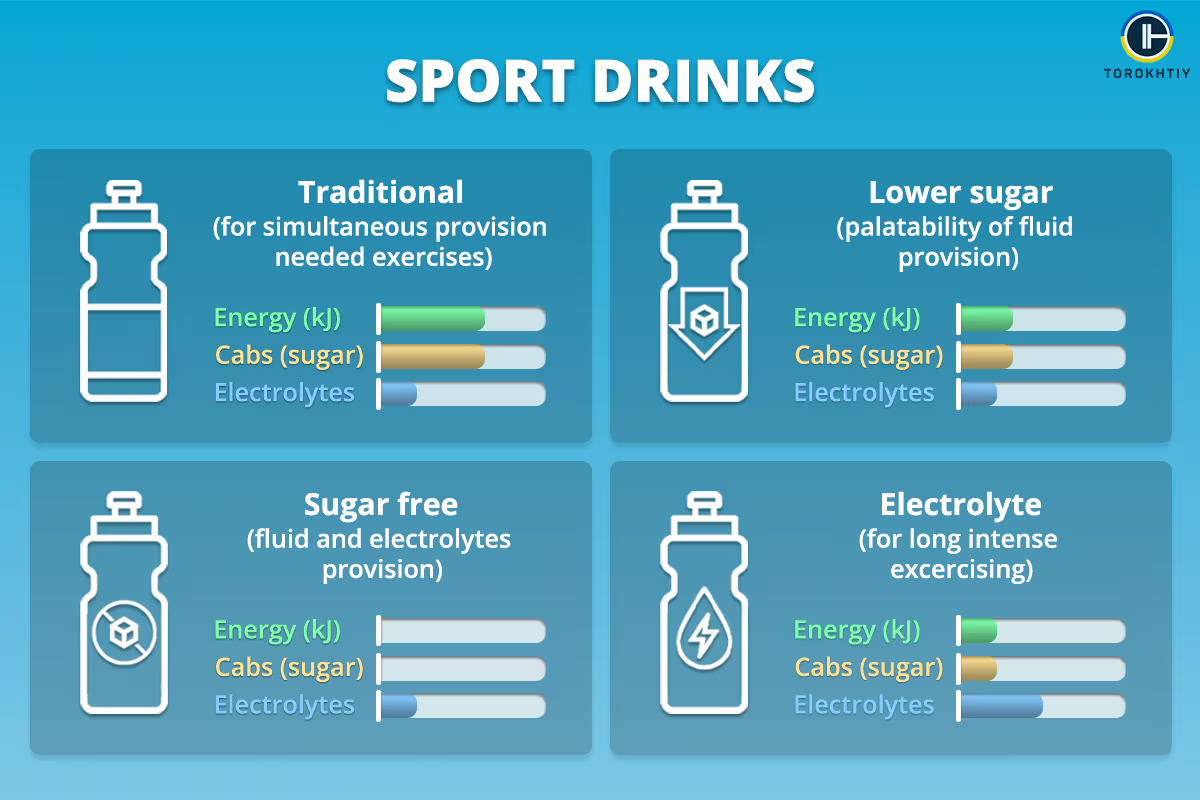
Many mainstream sports drinks prioritize taste over function. They often contain high levels of simple sugars with relatively low sodium content. While carbohydrates can support endurance by providing fuel, excessive sugar can slow gastric emptying and cause gastrointestinal discomfort during exercise.
Additionally, some products labeled as electrolyte drinks contain only trace minerals, amounts too low to meaningfully replace sweat losses. Others rely heavily on marketing terms like natural hydration or mineral blend without disclosing effective dosages.
Another common issue is overconsumption. Using electrolyte drinks during low intensity workouts or sedentary periods can lead to unnecessary calorie intake without added physiological benefit. This disconnect between usage and need reduces their effectiveness as a training tool.
What to Look For in an Effective Electrolyte Drink
A more effective approach is to evaluate electrolyte drinks based on function rather than branding. Sodium content should be the primary consideration. For most training sessions longer than one hour or involving significant sweat loss, a drink containing approximately 300 to 700 milligrams of sodium per liter is a practical starting point, though individual needs vary.
Carbohydrate content should align with training goals. For endurance sessions, moderate carbohydrate levels can support performance by maintaining blood glucose levels. For shorter or lower intensity workouts, a low sugar or sugar free electrolyte drink is often more appropriate.
The ingredient profile also matters. Simpler formulations with clearly defined electrolyte amounts tend to be more effective than complex blends with minimal transparency. The goal is not to consume more ingredients, but to consume the right ones in physiologically meaningful amounts.
Taste and palatability should not be ignored. If a drink is not consumed consistently, it cannot support hydration. However, taste should complement function rather than replace it.
Matching Electrolyte Intake to Training Type
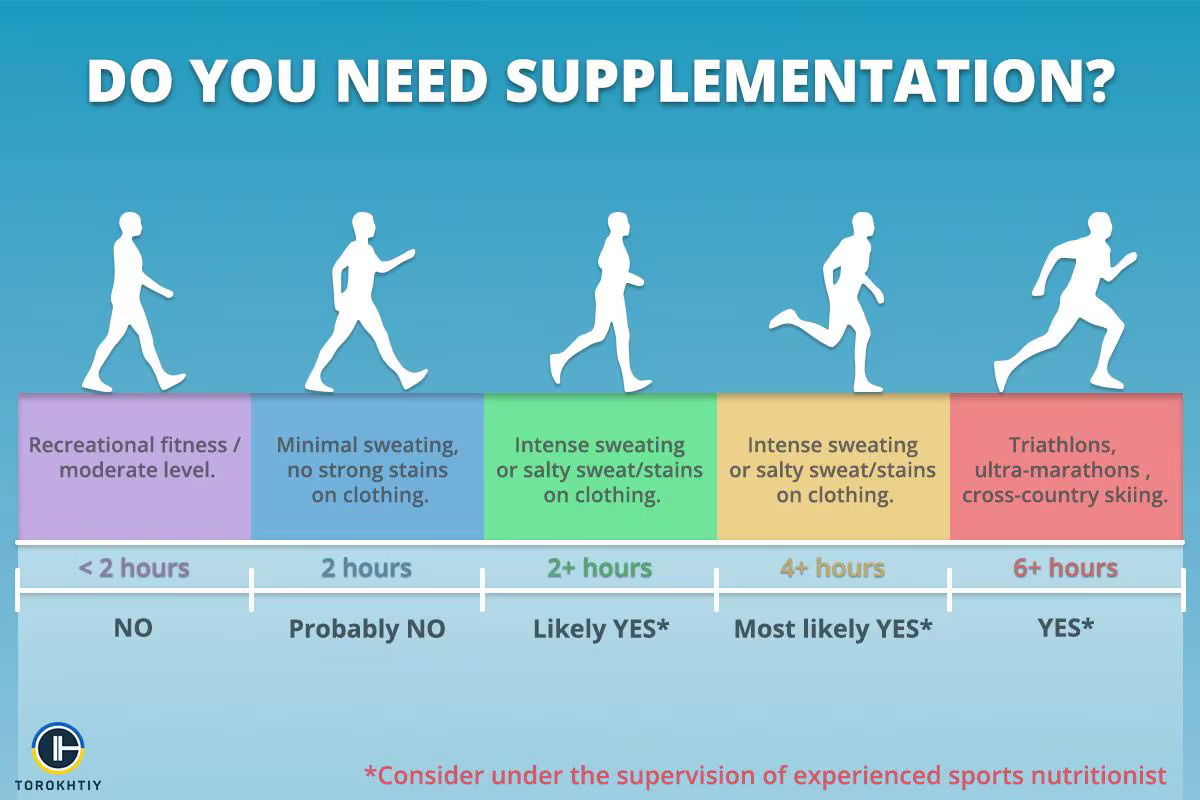
Different training demands require different hydration strategies. Endurance athletes, particularly those training in heat, benefit the most from electrolyte supplementation due to sustained sweat losses. Strength training sessions may require less electrolyte replacement unless performed in high volume or hot conditions.
High intensity interval training can create significant fluid and electrolyte shifts despite shorter duration due to elevated sweat rates. In these cases, a moderate electrolyte intake can support performance and recovery.
Individual variability is also important. Sweat rate and sodium concentration vary widely between individuals. Some people are heavy or salty sweaters and may require higher sodium intake to maintain performance and prevent cramping.
A practical way to assess needs is by monitoring body weight changes during training and observing signs such as fatigue, dizziness, or persistent thirst. These indicators often reflect inadequate hydration or electrolyte imbalance.
Electrolytes as a Performance Regulator
From a physiological perspective, electrolytes act as regulators of internal stability. Sodium helps maintain plasma volume, supporting cardiovascular function during exercise. Potassium and calcium contribute to muscle contraction, while magnesium assists in relaxation and energy production.
When electrolyte balance is disrupted, the body compensates by increasing perceived effort, reducing power output, and impairing coordination. This is why dehydration often feels like a sudden drop in performance rather than a gradual decline.
Maintaining electrolyte balance supports not only physical output but also cognitive function, which is critical in skill based or strategic sports (Baker et al., 2016). Proper hydration therefore influences both physical and mental aspects of performance.
A Smarter Way to Use Electrolyte Drinks
Electrolyte drinks should be used strategically rather than habitually. They are most beneficial during long duration exercise, high intensity sessions, or training in hot and humid environments. Outside of these conditions, water and a balanced diet typically provide sufficient hydration and electrolyte intake.
Pairing electrolyte intake with actual sweat loss ensures that consumption aligns with physiological need. This reduces the risk of both underhydration and unnecessary calorie intake.
Incorporating whole foods can also support electrolyte balance. Foods such as fruits, vegetables, dairy, and lightly salted meals provide potassium, calcium, and sodium in a natural context. Electrolyte drinks should complement, not replace, a nutrient dense diet.
The Takeaway
Choosing the right electrolyte drink is not about following trends but about understanding the body’s fluid and mineral needs during training. Sodium content, appropriate carbohydrate levels, and simplicity of formulation are the key factors that determine effectiveness.
When used correctly, electrolyte drinks support hydration, sustain performance, and enhance recovery. When used without context, they become just another sugary beverage. Treat electrolytes as a functional tool rather than a default habit, and they can meaningfully improve training outcomes.
References
Baker, L. B., Jeukendrup, A. E., and Jones, D. A. (2016) ‘Sodium intake and hydration in athletes’, Sports Medicine, 46(S1):S47 to S56. https://doi.org/10.1007/s40279-015-0393-8
Jeukendrup, A. E. (2014) ‘A step towards personalized sports nutrition’, Sports Medicine, 44(S1):S25 to S33. https://doi.org/10.1007/s40279-014-0148-z
Sawka, M. N., Burke, L. M., Eichner, E. R., Maughan, R. J., Montain, S. J., and Stachenfeld, N. S. (2007) ‘American College of Sports Medicine position stand on exercise and fluid replacement’, Medicine and Science in Sports and Exercise, 39(2):377 to 390. https://doi.org/10.1249/mss.0b013e31802ca597
Shirreffs, S. M., and Maughan, R. J. (1998) ‘Volume repletion after exercise induced dehydration’, Journal of Applied Physiology, 84(3):822 to 831. https://doi.org/10.1152/jappl.1998.84.3.822



.png)


