Socials


.png)
Stretching is widely recommended as part of a healthy routine, yet the timing of it is often treated as irrelevant. Many people default to morning stretching as a way to wake up the body and prepare for the day. However, this assumption overlooks how human physiology actually changes across the day. Flexibility, tissue readiness, and nervous system state are not constant. They follow circadian patterns that influence how the body responds to movement. For most individuals, evening or nighttime stretching aligns more closely with these biological conditions, making it not only more effective but also safer and more restorative.
Morning stiffness is not simply a subjective feeling. After sleep, connective tissues such as muscles and tendons are less compliant, and core body temperature is lower. These factors reduce range of motion and increase resistance to stretch. At the same time, the nervous system is more alert and protective, which can limit how far the body is willing to move into end ranges. In contrast, by the evening, body temperature is elevated, tissues are more elastic, and the nervous system is more permissive. These shifts create a more favorable environment for improving flexibility and releasing accumulated tension.

Human physiology follows a daily rhythm that affects physical performance and mobility. Core body temperature typically peaks in the late afternoon and early evening. This increase in temperature improves muscle elasticity, joint mobility, and enzyme activity involved in movement (Reilly and Brooks, 1990). Warmer tissues require less force to stretch and are less prone to strain. This alone explains why many people feel looser and more mobile later in the day.
In the morning, the opposite is true. Reduced temperature and prolonged inactivity during sleep lead to increased passive stiffness in muscles and tendons. Studies have shown that flexibility measures such as sit and reach scores are often lower in the morning compared to later in the day (Gifford, 1987). Forcing deep stretches under these conditions can increase discomfort and may elevate injury risk, particularly if done aggressively without sufficient warm up.
Beyond temperature, hydration and fluid distribution also play a role. During sleep, intervertebral discs absorb fluid and expand slightly, contributing to spinal stiffness upon waking. This is one reason why forward bending movements often feel restricted in the morning. As the day progresses and movement redistributes fluids, this stiffness gradually decreases, making stretching more comfortable and effective.
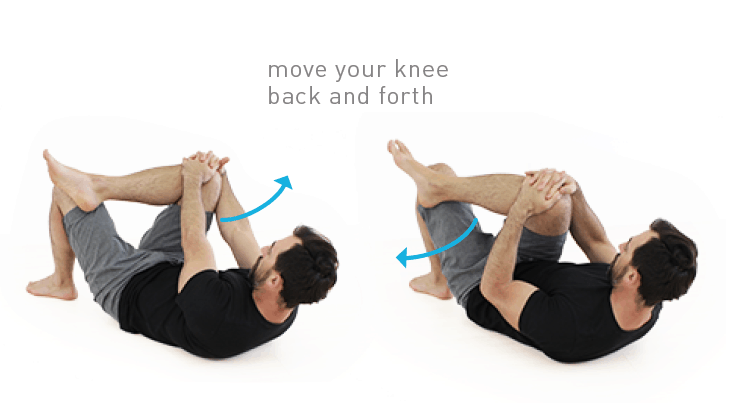
Flexibility is not just a property of muscles. It is also regulated by the nervous system. The brain constantly assesses whether a movement is safe and adjusts muscle tension accordingly. This is why two people with similar tissue structures can have very different flexibility levels.
In the morning, the body tends to be in a more alert and defensive state. Cortisol levels are naturally higher after waking, supporting alertness and readiness for activity. While this is beneficial for cognitive function and performance, it can increase baseline muscle tone and reduce tolerance for deep stretching.
By the evening, the body shifts toward a parasympathetic dominant state, which supports relaxation and recovery. This shift reduces protective muscle tension and allows for greater stretch tolerance. Research on stretching and relaxation suggests that reduced neural drive and increased parasympathetic activity can enhance range of motion by lowering resistance to stretch (Behm and Chaouachi, 2011). In practical terms, the same stretch often feels easier and more productive at night compared to the morning.
This also explains why forcing flexibility in the morning can feel frustrating. The limitation is not only mechanical but also neurological. The body is simply less willing to allow deeper movement at that time.
Another key factor is what happens throughout the day. Movement acts as a natural primer for the body. Walking, sitting, standing, and exercising all increase blood flow and gradually warm tissues. Even low intensity activity contributes to improved tissue pliability.
By the evening, muscles have undergone repeated cycles of contraction and relaxation, which enhances circulation and reduces stiffness. This cumulative effect makes stretching more efficient. Less force is required to achieve the same or greater range of motion, and the sensation of stretching is often more comfortable.
There is also a psychological component. At night, there is less time pressure and fewer competing demands. This allows for slower, more mindful stretching, which has been shown to improve outcomes compared to rushed or distracted sessions. Stretching becomes not just a physical practice but also a regulatory one.
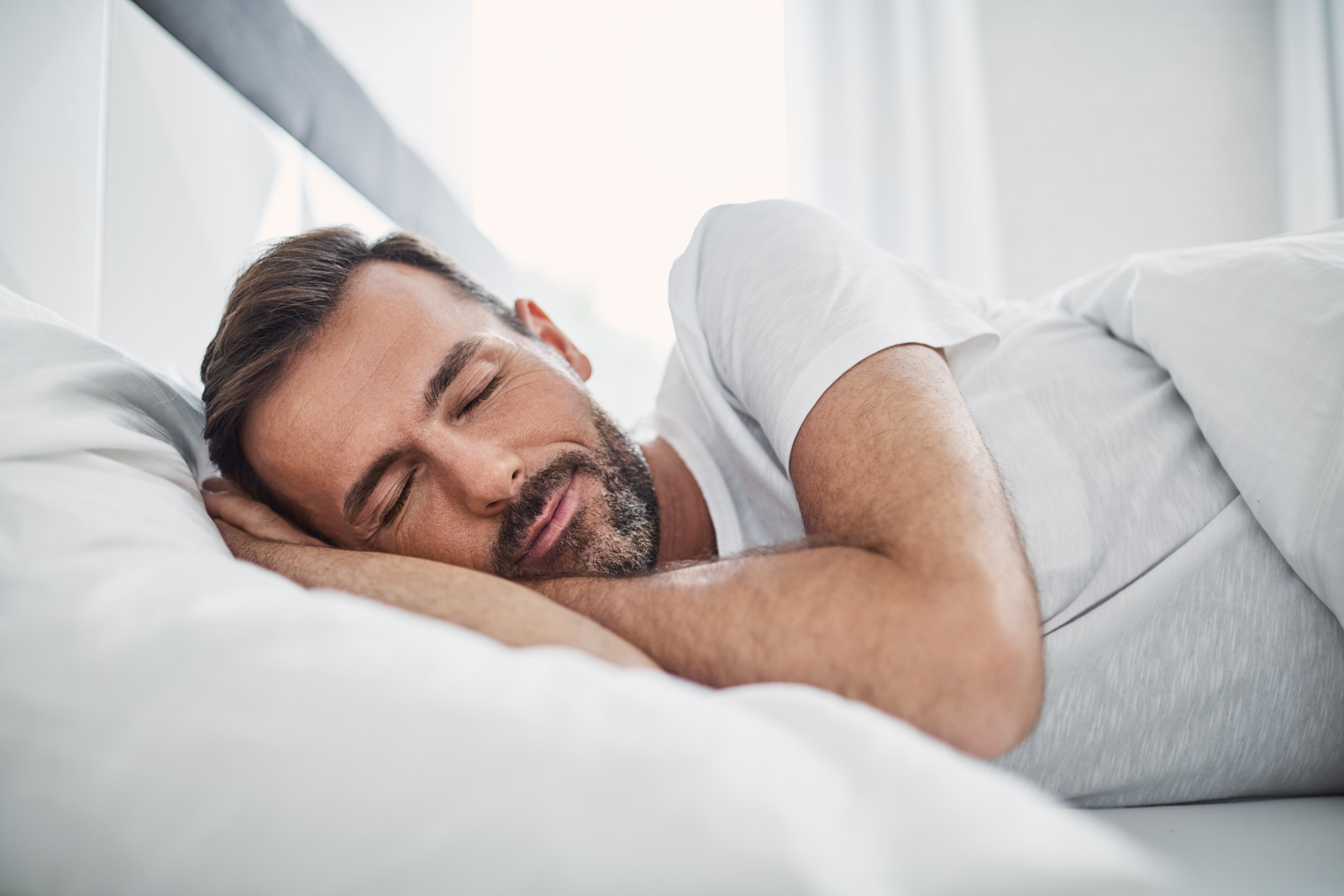
Night stretching offers benefits that extend beyond flexibility. It can act as a transition between the demands of the day and the restorative processes of sleep. Gentle stretching combined with slow breathing can reduce physiological arousal and support the onset of sleep.
Stress accumulates in both the body and mind. Prolonged sitting, cognitive load, and emotional tension all contribute to increased muscle tightness. Stretching in the evening helps release this tension and signals to the body that it is safe to downregulate. Research suggests that relaxation based movement practices can improve sleep quality by reducing sympathetic nervous system activity and promoting parasympathetic dominance (Morin et al., 2006).
This creates a reinforcing cycle. Better stretching leads to better relaxation, which leads to improved sleep, which in turn enhances recovery and physical performance the next day.
The claim that nighttime stretching works better for most people does not mean morning stretching has no value. It serves a different purpose. Morning movement is useful for gently increasing circulation, improving alertness, and preparing the body for daily activity. However, it should be approached differently.
Instead of deep static stretching, morning sessions are better focused on dynamic mobility work. This includes controlled movements that gradually take joints through their range without prolonged holds. The goal is activation and preparation rather than pushing flexibility limits.
The mistake many people make is treating morning stretching the same as evening stretching. The body is in a different state and requires a different approach. Ignoring this distinction is where problems arise.
A more nuanced strategy is to match the type of stretching to the time of day. Use the morning for light, dynamic movements that wake up the body. Reserve deeper, longer held stretches for the evening when tissues are warm and the nervous system is more receptive.
Evening sessions do not need to be long to be effective. Ten to fifteen minutes of focused stretching can produce meaningful improvements when done consistently. The key is to move slowly, breathe deeply, and avoid forcing positions. Over time, this approach leads to greater flexibility gains with less discomfort.
Individual variation still matters. Some people may feel naturally more mobile in the morning, particularly if they are already active early in the day. However, for the majority, aligning stretching with the body’s natural rhythms provides a clear advantage.
Flexibility is not just about effort. It is about timing, physiology, and how the body responds to movement. Nighttime stretching works better for most people because it aligns with higher tissue temperature, reduced stiffness, and a more relaxed nervous system. This combination allows for deeper, safer, and more effective stretching.
Rather than forcing the body into a routine that works against its natural state, it is more productive to work with these rhythms. Shift deeper stretching to the evening, keep morning movement light and dynamic, and use stretching as both a physical and regulatory tool. Over time, this leads to better mobility, reduced tension, and improved recovery.
Behm, D. G., and Chaouachi, A. (2011) ‘A review of the acute effects of static and dynamic stretching on performance’, European Journal of Applied Physiology, 111(11):2633 to 2651. https://doi.org/10.1007/s00421-011-1879-2
Gifford, L. S. (1987) ‘Circadian variation in human flexibility and grip strength’, Australian Journal of Physiotherapy, 33(1):3 to 9.
Morin, C. M., Benca, R., and others (2006) ‘Chronic insomnia’, Lancet, 367(9506):2059 to 2068. https://doi.org/10.1016/S0140-6736(06)68867-6
Reilly, T., and Brooks, G. A. (1990) ‘Exercise and the circadian rhythm’, Sports Medicine, 9(5):315 to 334. https://doi.org/10.2165/00007256-199009050-00005



.jpeg)


