Socials


Showers are typically viewed as simple hygiene routines, yet water temperature can influence the body far beyond skin level. Both cold and hot exposure create physiological signals that affect circulation, cellular stress responses, immune activity, and metabolic regulation. While the choice between cold and hot showers is often framed as a matter of comfort or personal preference, emerging research suggests that temperature exposure may influence how cells adapt to stress and maintain biological resilience.
At the cellular level, temperature shifts activate a variety of protective pathways. Cold exposure can stimulate metabolic and mitochondrial activity, while heat exposure tends to promote relaxation, improved blood flow, and protein repair systems. Understanding these responses helps explain why practices such as cold plunges, ice baths, and sauna use have gained attention in wellness and sports science. The key insight is that both cold and heat serve as mild environmental stressors that can trigger beneficial adaptations within the body when used appropriately.
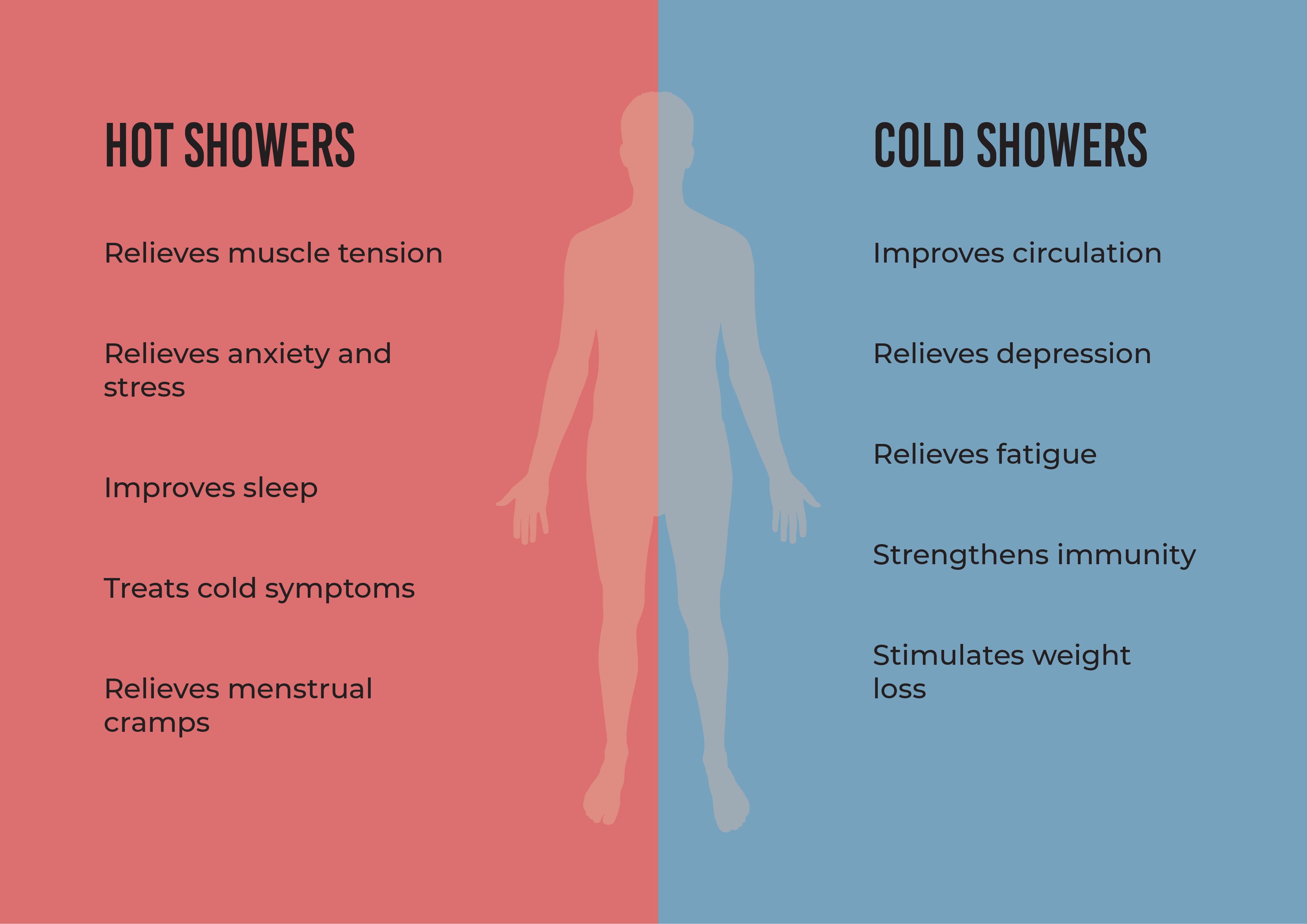
Human cells constantly adapt to environmental changes. When exposed to temperature extremes, cells activate protective pathways designed to maintain structural integrity and metabolic function.
Cold exposure activates sympathetic nervous system signaling, increasing the release of catecholamines such as norepinephrine. This response helps maintain core body temperature by stimulating metabolic processes that generate heat. At the cellular level, cold exposure can increase mitochondrial activity and promote the activation of brown adipose tissue, a specialized fat type that burns energy to produce heat (Chondronikola et al., 2014).
Heat exposure triggers a different protective mechanism known as the heat shock response. During this process, cells produce heat shock proteins, which act as molecular chaperones that help repair damaged proteins and maintain proper cellular structure. Heat shock proteins are involved in protecting cells from oxidative stress and supporting cellular recovery following physiological strain (Horowitz, 2016).
Both cold and heat exposure therefore function as hormetic stressors. Hormesis refers to the process in which mild stress stimulates adaptive responses that improve resilience and cellular function over time.
Cold showers expose the body to brief periods of reduced skin temperature, which initiates several metabolic adjustments. One of the most studied effects is the activation of brown adipose tissue. Unlike white fat, which primarily stores energy, brown fat burns stored energy to produce heat in a process known as thermogenesis.
Cold exposure increases brown fat activity and may enhance energy expenditure, particularly in individuals who are regularly exposed to cold environments (Chondronikola et al., 2014). This process is linked to mitochondrial activity within brown fat cells, where specialized proteins allow the rapid conversion of stored energy into heat.
Cold showers also influence the nervous system. Exposure to cold water activates the sympathetic nervous system and increases the release of norepinephrine, which can improve alertness and mood. Some research suggests that this response may also stimulate immune activity by increasing circulation of immune cells and enhancing inflammatory regulation (Shevchuk, 2008).
At the cellular level, cold exposure may promote mitochondrial biogenesis and metabolic efficiency. Mitochondria are responsible for producing energy within cells, and improvements in mitochondrial function are associated with better metabolic health and energy regulation.
While cold showers are typically shorter than other forms of cold therapy such as ice baths, even brief exposure can stimulate these biological signals when practiced regularly.
Hot showers produce nearly opposite physiological effects compared with cold exposure. Heat relaxes blood vessels through a process known as vasodilation, which increases blood flow to the skin and peripheral tissues. This enhanced circulation improves the delivery of oxygen and nutrients while supporting the removal of metabolic waste products.
At the cellular level, heat exposure activates heat shock proteins. These proteins play an important role in maintaining protein stability and assisting with cellular repair processes. Heat shock proteins help prevent protein misfolding and assist in repairing damaged cellular structures, particularly following stress such as exercise or inflammation (Horowitz, 2016).
Heat exposure also promotes muscle relaxation and nervous system recovery. Warm water can reduce muscle stiffness and improve flexibility by increasing tissue temperature and circulation. This effect is one reason why warm baths and showers are commonly used to promote relaxation and support recovery after physical activity.
Some evidence also suggests that heat exposure may influence cardiovascular health. Studies examining passive heat therapy have found improvements in vascular function and circulation, potentially due to repeated cycles of vasodilation and increased blood flow (Brunt et al., 2016).
These physiological responses demonstrate that hot showers primarily support recovery, circulation, and cellular repair processes rather than metabolic activation.
Both cold and hot showers illustrate a biological principle known as hormesis. Hormesis occurs when small, controlled stressors stimulate beneficial adaptive responses in the body. Exercise is one of the most well known examples, but temperature exposure functions in a similar way.
Cold exposure represents a metabolic stress that encourages energy production, mitochondrial activity, and sympathetic nervous system activation. Heat exposure represents a repair focused stress that encourages protein stabilization, circulation, and relaxation.
From a cellular perspective, these responses improve the body's ability to maintain homeostasis. Repeated exposure to mild stress strengthens the systems responsible for adaptation, including metabolic pathways, cellular repair mechanisms, and cardiovascular responses.
However, the benefits of hormetic stress depend on moderation. Excessive cold or heat exposure can overwhelm protective systems and lead to negative physiological outcomes. Short and controlled exposure tends to provide the most beneficial responses.
In daily routines, both cold and hot showers can provide distinct physiological benefits depending on timing and personal goals.
Cold showers may be beneficial in the morning or after periods of inactivity because they stimulate alertness and increase sympathetic nervous system activity. The metabolic and circulatory responses associated with cold exposure can also improve feelings of wakefulness and energy.
Hot showers may be more beneficial in the evening or after exercise. The vasodilation and muscle relaxation associated with heat exposure support recovery and may help promote relaxation before sleep.
Some individuals alternate between hot and cold water in a practice known as contrast hydrotherapy. Alternating temperatures may create repeated cycles of vasodilation and vasoconstriction, which could enhance circulation and support tissue recovery.
Importantly, individuals with certain medical conditions should approach temperature extremes cautiously. Cardiovascular conditions, for example, may require medical guidance before engaging in intense cold or heat exposure.
The temperature of a daily shower may appear insignificant, yet the body interprets temperature changes as environmental signals that influence cellular behavior. Cold exposure stimulates metabolic activation and energy production pathways, while heat exposure promotes repair processes that protect proteins and tissues.
Rather than viewing cold and hot showers as competing approaches, they can be understood as complementary stressors that influence different biological systems. Cold exposure enhances metabolic responsiveness, while heat exposure supports recovery and cellular maintenance.
Small lifestyle practices that stimulate adaptive responses can contribute to long term resilience when applied consistently and moderately. In this way, temperature exposure represents a simple yet biologically meaningful tool for supporting cellular health.
Cold and hot showers activate different but complementary physiological responses. Cold exposure stimulates metabolic activity, mitochondrial function, and nervous system alertness. Heat exposure promotes circulation, muscle relaxation, and cellular repair through heat shock proteins. Both forms of temperature stress trigger adaptive responses that help the body maintain resilience and metabolic balance. By understanding how these responses work at the cellular level, everyday habits like shower temperature can be used more intentionally to support recovery, energy regulation, and overall health.
Brunt, V. E., Howard, M. J., Francisco, M. A., Ely, B. R., and Minson, C. T. (2016) ‘Passive heat therapy improves endothelial function and arterial stiffness’, American Journal of Physiology Heart and Circulatory Physiology, 312(3):H567 to H576. https://doi.org/10.1152/ajpheart.00688.2016
Chondronikola, M., Volpi, E., Børsheim, E., Porter, C., Annamalai, P., Enerbäck, S., Lidell, M. E., Saraf, M. K., Labbe, S. M., Hurren, N. M., Yfanti, C., Chao, T., Andersen, C. R., Cesani, F., Smith, S. R., and Sidossis, L. S. (2014) ‘Brown adipose tissue improves whole body glucose homeostasis’, Diabetes, 63(12):4089 to 4099. https://doi.org/10.2337/db14-0746
Horowitz, M. (2016) ‘Heat acclimation, epigenetics, and cytoprotection memory’, Comprehensive Physiology, 6(4):1997 to 2030. https://doi.org/10.1002/cphy.c150025
Shevchuk, N. A. (2008) ‘Adapted cold shower as a potential treatment for depression’, Medical Hypotheses, 70(5):995 to 1001. https://doi.org/10.1016/j.mehy.2007.04.052



.png)


