Socials


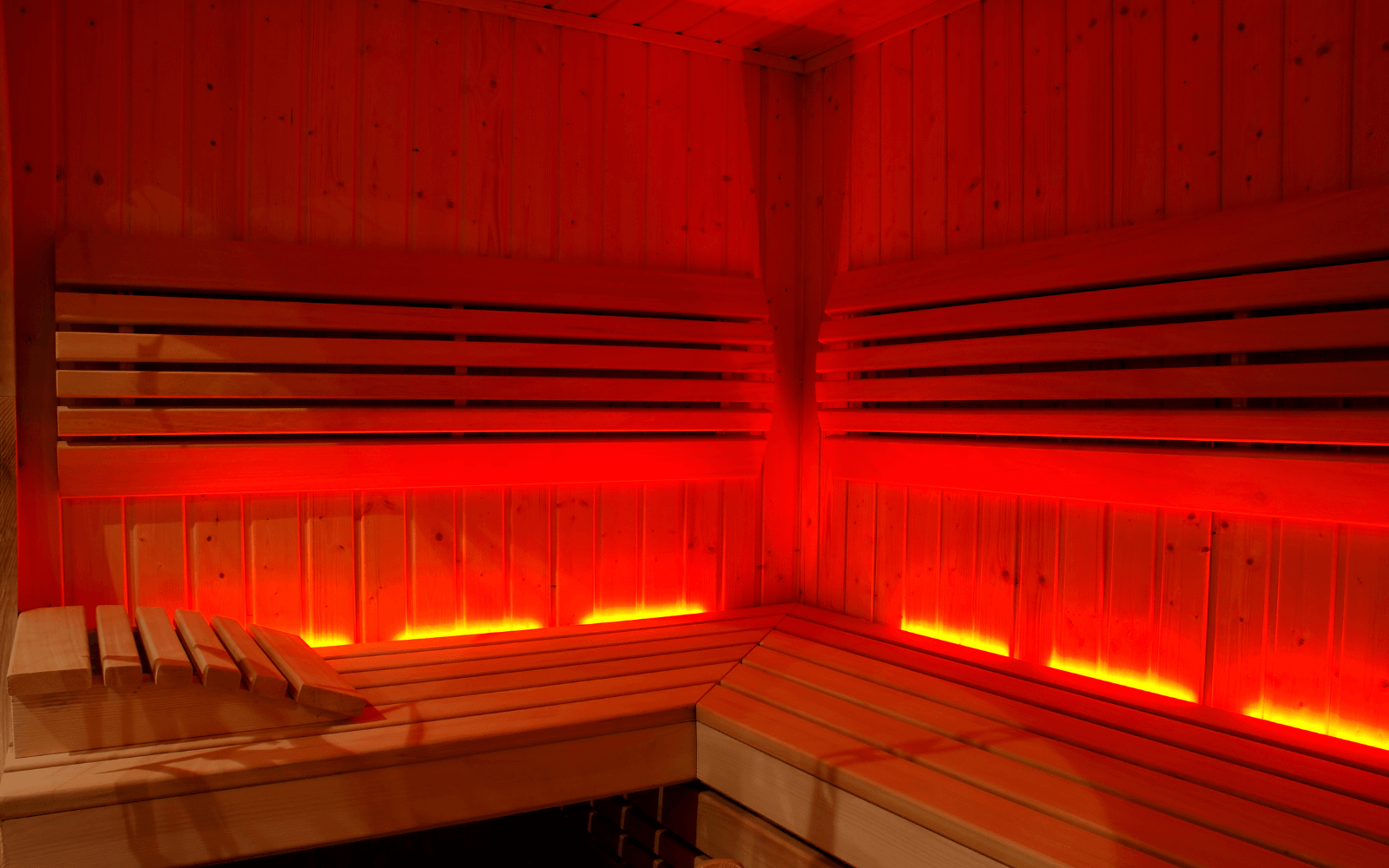
For something that looks like quiet sitting in a heated wooden room, infrared sauna creates a surprisingly complex physiological response. It is not just about sweating. It is about controlled thermal stress that activates circulation, cellular defense systems, and nervous system recalibration.
Unlike traditional saunas that heat the surrounding air to high temperatures, infrared systems emit radiant heat that penetrates tissue more directly. This allows many users to tolerate lower ambient temperatures while still achieving meaningful internal heat stress. The experience feels gentler on the surface, yet biologically it can trigger many of the same adaptive pathways associated with heat exposure.
Understanding infrared sauna is less about relaxation culture and more about learning how heat functions as a performance input. When used intentionally, it can support muscular recovery, cardiovascular conditioning, and cognitive clarity.

Heat is a signal. When core temperature rises, your body shifts into a protective mode. Heart rate increases. Blood vessels dilate. Circulation to the skin and muscles improves. Sweating begins as a cooling mechanism.
This acute stressor activates heat shock proteins, a family of protective molecules that help stabilize cellular structures and repair damaged proteins (Laukkanen and Laukkanen, 2018). Heat shock proteins play a role in resilience, assisting cells in adapting to environmental challenges. While most sauna research has focused on traditional Finnish saunas, emerging data suggest that infrared exposure can produce comparable cardiovascular and thermoregulatory responses when sufficient core temperature elevation is achieved (Beever, 2009).
Increased blood flow is another critical factor. When tissues warm, vasodilation enhances nutrient delivery and waste removal. For athletes or physically active individuals, this may assist post training recovery by improving circulation to fatigued muscles.
Beyond muscular effects, repeated sauna exposure has been associated with improved cardiovascular outcomes. Large cohort studies from Finland show that frequent sauna use correlates with reduced risk of cardiovascular disease and all cause mortality (Laukkanen et al., 2015). While correlation does not prove causation, the findings support the idea that regular heat exposure may function as a form of passive cardiovascular conditioning.
Infrared heat creates a cardiovascular load that can elevate heart rate into ranges similar to light or moderate physical activity. This mild strain stimulates endothelial function and may improve vascular flexibility over time. Improved vascular function supports not only heart health but also cerebral blood flow, which influences focus and mental clarity.
Thermal stress also appears to influence inflammatory signaling. Some studies suggest that regular sauna use is associated with reduced markers of systemic inflammation and oxidative stress (Hussain and Cohen, 2018). Lower chronic inflammation is linked to improved recovery, better metabolic regulation, and more stable energy levels.
The nervous system response may be one of the most underestimated benefits. Heat exposure initially activates sympathetic pathways as the body works to regulate temperature. Following the session, parasympathetic activity often increases, promoting a calm recovery state. Many users report improved sleep quality and reduced perceived stress.
For high performers who oscillate between intense cognitive load and physical training, this parasympathetic shift can be powerful. Recovery is not only muscular. It is neurological. Infrared sauna offers a structured pause that nudges the body out of constant fight or flight mode and into repair mode.
To gain benefits without overdoing it, focus on a few core principles.
Session Length
Fifteen to thirty minutes per session is typically sufficient to elevate core temperature and stimulate adaptive responses. Longer is not necessarily better. Excessive heat exposure without conditioning can increase dehydration risk and cardiovascular strain.
Frequency
Research on traditional sauna suggests that higher frequency use is associated with greater cardiovascular benefits (Laukkanen et al., 2015). For most people, two to four sessions per week provides a practical balance between stimulus and recovery.
Hydration
Sweating leads to fluid and electrolyte loss. Replace fluids consistently and consider sodium intake if sessions are prolonged or frequent. Dehydration undermines the very recovery processes sauna aims to support.
Gradual Adaptation
Infrared heat often feels more tolerable than dry high temperature saunas, but internal stress still accumulates. Begin with shorter sessions and moderate temperatures, then build tolerance progressively.

Detox claims are often exaggerated. While sweating does eliminate small amounts of certain compounds, the liver and kidneys remain the primary detoxification organs. Sauna should not be framed as a cure for toxin overload.
Similarly, calorie burn during sauna use is modest compared to structured exercise. Any increase in metabolic rate is secondary to the cardiovascular and cellular adaptations induced by heat. Using sauna as a weight loss shortcut misses its real value.
The real power lies in adaptation. Repeated controlled stress that is followed by recovery strengthens biological systems. This concept, known as hormesis, underpins many resilience building practices including exercise, fasting, and cold exposure. Heat is another lever within that framework.
From a systems biology perspective, infrared sauna is not about comfort. It is about strategic stress. When core temperature rises, multiple systems coordinate to restore balance. Cardiovascular output increases. Cellular repair pathways activate. Inflammatory signaling shifts. Nervous system tone recalibrates.
For recovery, this can mean enhanced blood flow to muscle, reduced stiffness, and improved relaxation before sleep. For focus, it can mean better vascular support to the brain and a more balanced autonomic nervous system the following day.
The key is intention. Infrared sauna is most effective when integrated into a broader recovery strategy that includes sleep, nutrition, strength training, and aerobic conditioning. It amplifies good habits. It does not replace them.
Infrared sauna works because heat is a biological signal. It challenges the body in a controlled way and prompts adaptation. Over time, that adaptation may support cardiovascular health, muscular recovery, and mental clarity.
Do not approach it as a spa luxury or a miracle therapy. Approach it as a tool. Ask whether your current training or work schedule creates accumulated stress. Ask whether you have structured recovery built in. Consider whether short, consistent heat exposure could improve circulation, nervous system balance, and overall resilience.
When used thoughtfully, infrared sauna becomes more than relaxation. It becomes a lever for recovery and focus, grounded not in hype but in physiology.
Beever, R. (2009). Far infrared saunas for treatment of cardiovascular risk factors: Summary of published evidence. Canadian Family Physician, 55(7), 691 to 696.
Hussain, J., and Cohen, M. (2018). Clinical effects of regular dry sauna bathing: A systematic review. Evidence Based Complementary and Alternative Medicine, 2018, 1857413.
Laukkanen, T., Khan, H., Zaccardi, F., and Laukkanen, J. A. (2015). Association between sauna bathing and fatal cardiovascular and all cause mortality events. JAMA Internal Medicine, 175(4), 542 to 548.
Laukkanen, J. A., and Laukkanen, T. (2018). Sauna bathing and systemic inflammation. European Journal of Epidemiology, 33(4), 351 to 353.



.png)


