Socials



Caffeine is one of the most widely consumed performance enhancers in the world. Found in coffee, tea, energy drinks, and even some functional foods, it is often used to increase alertness, improve focus, and reduce fatigue. While its short term benefits are well established, many people overlook how the timing of caffeine intake influences sleep quality and overall recovery.
The issue is not simply how much caffeine is consumed, but when it is consumed. Many individuals can fall asleep after an afternoon coffee and assume it has not affected them. However, sleep quality is not just about falling asleep. It is about sleep depth, continuity, and the body’s ability to fully recover. Caffeine consumed later in the day can quietly disrupt all of these processes, even if sleep onset appears normal.
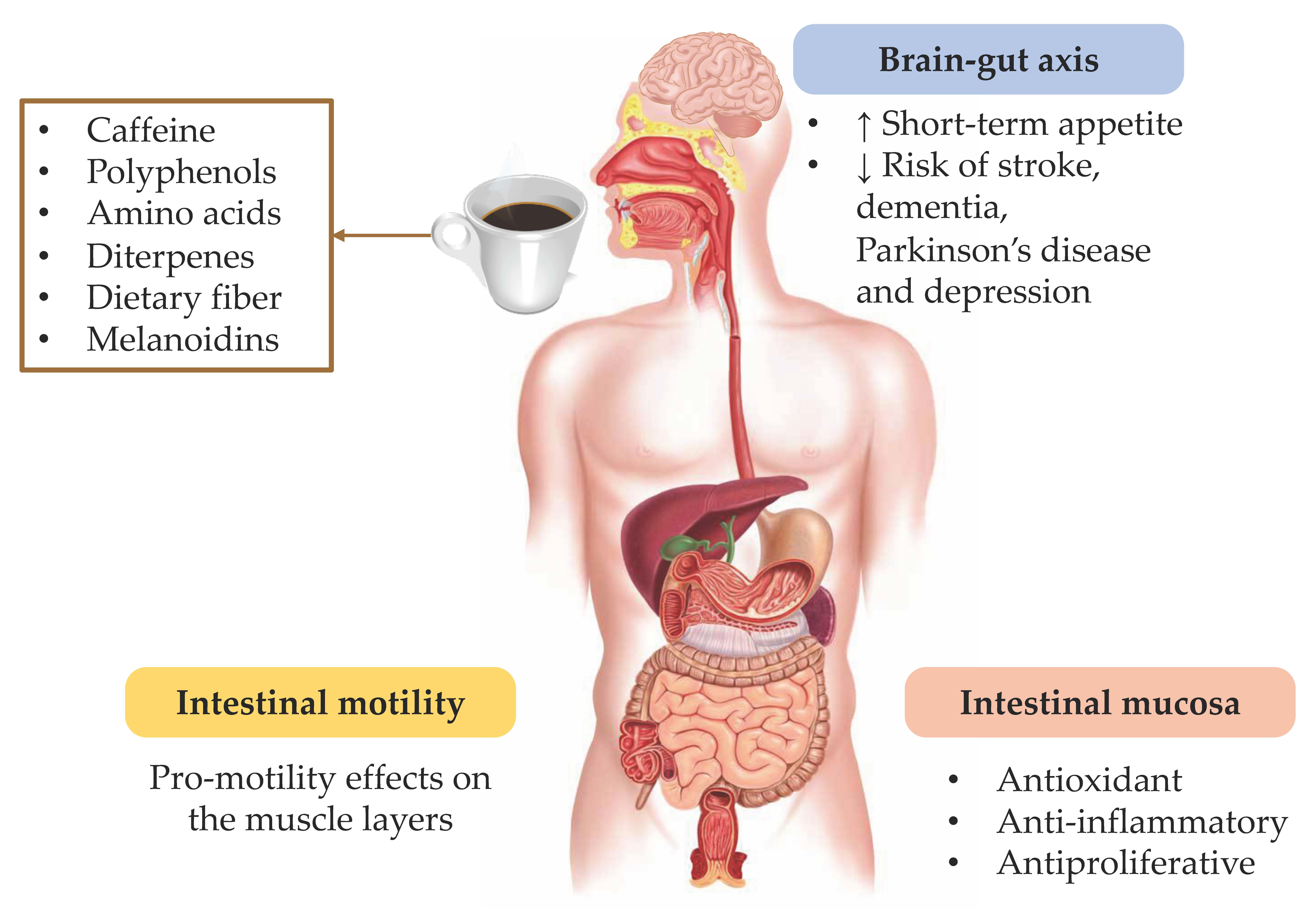
How Caffeine Works in the Body
Caffeine primarily acts as an adenosine receptor antagonist. Adenosine is a neuromodulator that accumulates in the brain throughout the day, creating a gradual increase in sleep pressure. As adenosine levels rise, the body becomes more inclined to rest.
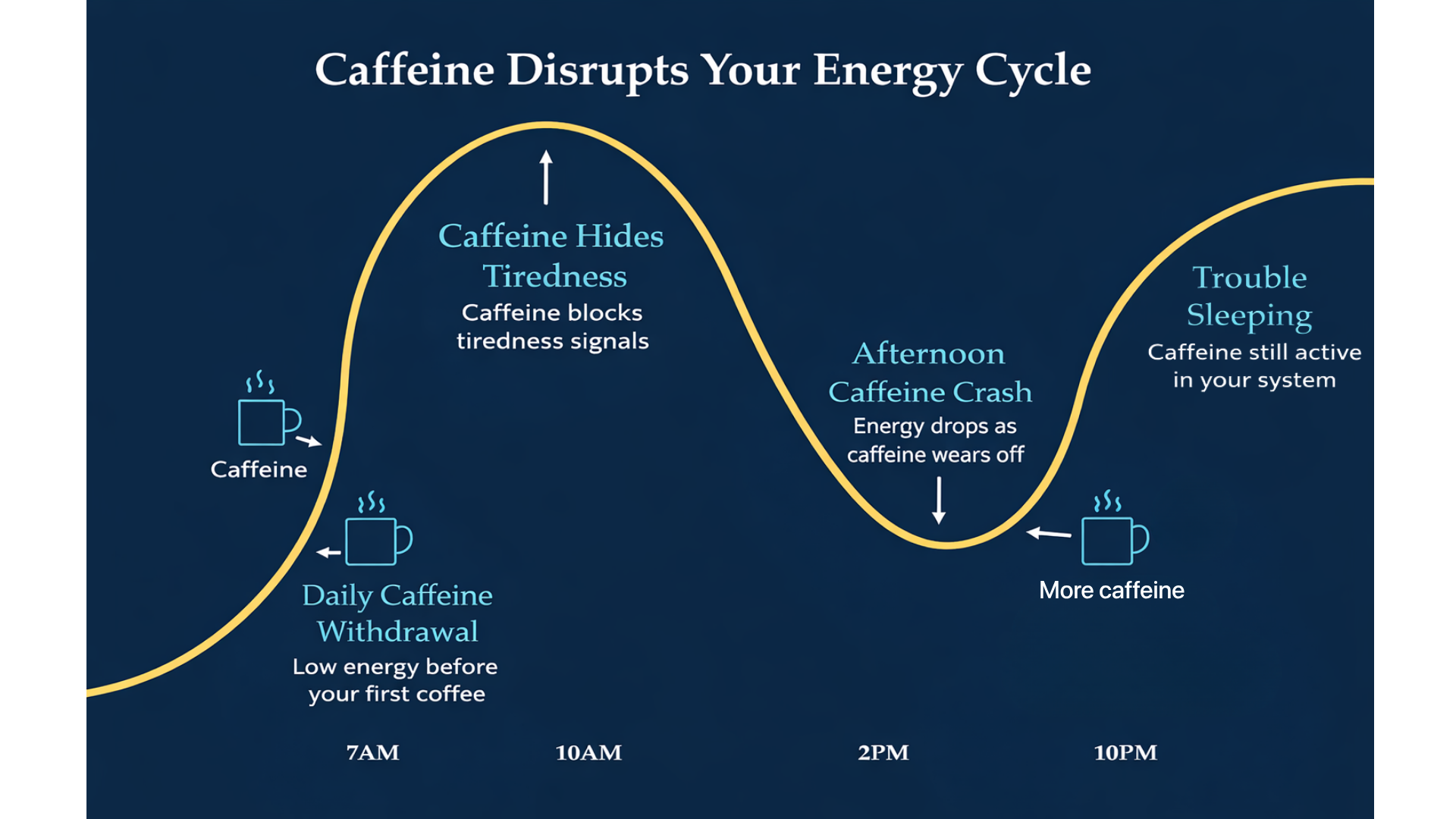
Caffeine blocks adenosine receptors, preventing this signal from being perceived. This creates a temporary state of alertness, even when the body is physiologically fatigued. However, this does not remove fatigue. It only masks it.
At the same time, caffeine stimulates the release of neurotransmitters such as dopamine and norepinephrine, further enhancing alertness and cognitive performance. While this is beneficial earlier in the day, it becomes disruptive when it overlaps with the body’s natural wind down processes in the evening.
Why Timing Matters More Than You Think
Caffeine has a relatively long half life, typically ranging from 5 to 7 hours in adults, though this can vary based on genetics, liver function, and habitual intake. This means that caffeine consumed at 2 pm can still be present in significant amounts at 8 or 9 pm.
Research shows that even caffeine consumed 6 hours before bedtime can reduce total sleep time and impair sleep quality (Drake et al., 2013). This is because the remaining caffeine continues to block adenosine signaling, delaying the buildup of sleep pressure needed for deep, restorative sleep.
The body operates on a circadian rhythm that prepares it for sleep in the evening by reducing alertness signals and increasing melatonin production. Late caffeine intake interferes with this transition, creating a mismatch between biological readiness for sleep and perceived alertness.
The Hidden Impact on Sleep Quality
Many people associate poor sleep with difficulty falling asleep, but caffeine often affects sleep architecture instead. This refers to the structure of sleep stages, including light sleep, deep sleep, and rapid eye movement sleep.
Caffeine has been shown to reduce slow wave sleep, the deepest and most restorative stage associated with physical recovery and memory consolidation (Clark and Landolt, 2017). It can also increase nighttime awakenings and reduce overall sleep efficiency.
This means that even if total sleep duration appears sufficient, the quality of that sleep may be compromised. Over time, this can lead to cumulative sleep debt, reduced recovery, and impaired cognitive and physical performance.
Importantly, individuals often adapt subjectively to caffeine, meaning they feel less affected over time. However, objective measures of sleep disruption remain, creating a disconnect between perception and physiological reality.
Why 2pm Becomes a Practical Cutoff
The idea of avoiding caffeine after 2 pm is not arbitrary. It reflects a practical balance between caffeine’s half life and typical sleep schedules. For someone who goes to bed around 10 or 11 pm, consuming caffeine after 2 pm means a significant portion will still be active during the critical pre sleep window.
Additionally, the afternoon is a natural dip in alertness due to circadian rhythms. Many people use caffeine to counter this dip, but this often shifts fatigue later into the evening rather than resolving it.
By limiting caffeine to earlier in the day, the body is allowed to build sufficient sleep pressure and transition more effectively into the sleep phase. This supports deeper sleep and more complete recovery.
The Cycle of Caffeine and Poor Sleep
Late caffeine intake can create a self reinforcing cycle. Poor sleep leads to increased fatigue the next day, which leads to higher caffeine consumption, often later in the day. This further disrupts sleep, perpetuating the cycle.
Over time, this can affect not only sleep but also metabolic health, mood regulation, and training performance. Sleep is a foundational component of recovery, influencing muscle repair, hormone regulation, and cognitive function.
Breaking this cycle often requires adjusting caffeine timing rather than eliminating it entirely. Strategic use earlier in the day can preserve its benefits while minimizing its negative effects.
Individual Differences in Caffeine Sensitivity
Not everyone responds to caffeine in the same way. Genetic variations influence how quickly caffeine is metabolized, with some individuals clearing it faster than others. Slow metabolizers may experience stronger and longer lasting effects, making afternoon caffeine particularly disruptive.
Other factors such as stress, sleep deprivation, and hormonal fluctuations can also increase sensitivity to caffeine. This means that tolerance is not fixed and can change over time.
Because of this variability, the 2 pm guideline should be seen as a general rule rather than a strict cutoff. Some individuals may need to stop earlier, while others may tolerate slightly later intake. Monitoring sleep quality and adjusting accordingly is key.

A Smarter Way to Use Caffeine
Caffeine is most effective when used intentionally. Consuming it earlier in the day aligns with the body’s natural cortisol rhythm, enhancing alertness without interfering with sleep. Lower doses can also provide cognitive benefits without excessive stimulation.
Spacing caffeine intake and avoiding large late doses can help maintain stable energy levels. Pairing caffeine with adequate hydration and nutrition further supports its effectiveness.
Importantly, caffeine should not be used as a substitute for sleep. While it can temporarily improve alertness, it does not replace the physiological processes that occur during deep sleep.
The Takeaway
Caffeine is not inherently harmful, but its timing plays a critical role in how it affects the body. Consuming caffeine later in the day can reduce sleep quality, impair recovery, and create a cycle of fatigue and dependence.
A practical approach is to prioritize caffeine earlier in the day and limit intake after the early afternoon. This allows the body to build natural sleep pressure and achieve deeper, more restorative sleep.
When caffeine is used with awareness of its physiological effects, it can enhance performance without compromising the foundation of health, which is quality sleep.
References
Clark, I., and Landolt, H. P. (2017) ‘Coffee, caffeine, and sleep: a systematic review of epidemiological studies and randomized controlled trials’, Sleep Medicine Reviews, 31:70 to 78. https://doi.org/10.1016/j.smrv.2016.01.006
Drake, C., Roehrs, T., Shambroom, J., and Roth, T. (2013) ‘Caffeine effects on sleep taken 0, 3, or 6 hours before going to bed’, Journal of Clinical Sleep Medicine, 9(11):1195 to 1200. https://doi.org/10.5664/jcsm.3170
Landolt, H. P. (2008) ‘Genetic determination of sleep EEG profiles in healthy humans’, Progress in Brain Research, 173:51 to 61. https://doi.org/10.1016/S0079-6123(08)01105-4
Roehrs, T., and Roth, T. (2008) ‘Caffeine: sleep and daytime sleepiness’, Sleep Medicine Reviews, 12(2):153 to 162. https://doi.org/10.1016/j.smrv.2007.07.004



.png)


