Socials



Many people associate low energy with poor sleep or inadequate nutrition, yet daily habits such as prolonged sitting can also play a significant role. Modern work environments often require individuals to remain seated for long periods, whether at desks, in meetings, or during commutes. While this sedentary pattern may seem harmless, extended sitting can subtly influence circulation, metabolic activity, and cognitive alertness.
The human body evolved for regular movement. Muscles, blood vessels, and metabolic systems function most efficiently when the body frequently alternates between rest and activity. When movement decreases for several hours, several physiological processes begin to slow. Circulation becomes less efficient, muscle activity declines, and metabolic signals that help regulate energy production become less active. Over time, these changes can contribute to feelings of fatigue and reduced alertness throughout the day.
Research on sedentary behavior suggests that prolonged sitting is associated with changes in glucose metabolism, circulation, and muscular engagement, even among individuals who exercise regularly (Dunstan et al., 2012). In other words, a single workout does not completely offset the effects of sitting for many consecutive hours. Instead, regular movement throughout the day appears to be an important factor in maintaining stable energy levels and metabolic balance.
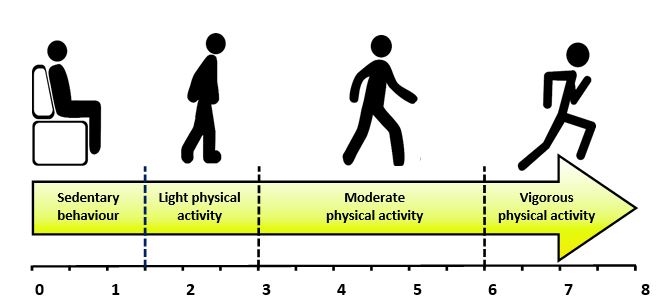
When the body remains seated for long periods, skeletal muscles remain largely inactive. These muscles normally act as a pump that helps circulate blood back toward the heart. Reduced muscle contractions mean that blood flow slows slightly, particularly in the lower body. This change in circulation can reduce the efficiency of oxygen and nutrient delivery to tissues, which may contribute to sensations of sluggishness or mental fatigue.
Muscle inactivity also influences metabolic processes. When muscles contract during movement, they help regulate glucose uptake and energy utilization. During prolonged sitting, this activity decreases, which can lead to temporary reductions in metabolic efficiency. Studies have shown that interrupting sitting time with short bouts of light activity can significantly improve metabolic markers such as glucose regulation (Dunstan et al., 2012).
Another factor involves neurological stimulation. Movement stimulates sensory input from muscles and joints, which helps maintain alertness and cognitive engagement. Remaining physically still for extended periods reduces this stimulation, potentially contributing to feelings of mental fatigue or reduced concentration.
Several physiological mechanisms help explain why energy levels may decline after long periods of inactivity.
Reduced circulation can limit how efficiently oxygen and nutrients reach tissues throughout the body. While the change may be subtle, even small shifts in circulation can influence how energized or alert someone feels during the day.
Lower muscle activation also contributes to reduced energy signaling. Muscles are metabolically active tissues that play a key role in regulating glucose metabolism and overall energy balance. When they remain inactive for long periods, metabolic signaling related to energy production becomes less active.
Mental fatigue can develop as well. Physical movement increases sensory input and stimulates brain regions involved in attention and alertness. When movement decreases, this stimulation declines, which may contribute to reduced focus and cognitive performance. Research on sedentary behavior suggests that breaking up sitting time with light activity can improve both physical and mental outcomes (Owen et al., 2010).
These effects do not mean that sitting itself is harmful, but rather that long uninterrupted periods of sitting can disrupt the natural rhythm of movement that the body expects throughout the day.
The encouraging aspect of sedentary physiology is that the body responds quickly to movement. Even small amounts of activity can reactivate muscles, improve circulation, and stimulate metabolic processes.
Standing up periodically can help restore blood flow and reduce stiffness in muscles and joints. Walking for a few minutes activates the large muscle groups of the legs, which improves circulation and increases oxygen delivery throughout the body. These short bouts of movement can provide a noticeable boost in alertness.
Light stretching can also be beneficial. Stretching activates muscle fibers, increases joint mobility, and stimulates sensory receptors that communicate with the brain. This stimulation helps restore physical awareness and can counteract feelings of sluggishness.
Research suggests that frequent movement breaks, even if brief, can significantly reduce the metabolic impact of sedentary behavior and improve overall physiological function (Owen et al., 2010). Rather than requiring intense exercise, the body simply benefits from regular interruptions to long periods of inactivity.

Preventing energy dips caused by prolonged sitting does not require major lifestyle changes. Instead, small adjustments to daily routines can help maintain circulation and metabolic activity.
Standing or moving every thirty to sixty minutes is a simple strategy that can reduce sedentary time. Setting reminders or using standing desks can make this easier during work hours.
Short movement breaks can also help. A quick walk, light stretching, or even walking to refill water can activate muscles and restore circulation. These brief activities often take less than a few minutes but can have noticeable effects on energy levels.
Alternating between sitting and standing during the day can also be effective. Sit stand workstations allow individuals to change posture periodically, helping maintain blood flow and reduce prolonged muscle inactivity.
These small behavioral changes align with research showing that reducing uninterrupted sitting time can support both metabolic health and daily energy levels (Dunstan et al., 2012).
Energy levels are influenced not only by sleep and nutrition but also by movement patterns throughout the day. Long periods of sitting can slow circulation, reduce muscle activity, and contribute to mental fatigue. Fortunately, the body responds quickly to movement. Regular breaks that include standing, walking, or stretching can help restore circulation and stimulate metabolic activity. By incorporating small movement habits into daily routines, individuals can maintain more stable energy levels and support overall health.
Dunstan, D. W., Kingwell, B. A., Larsen, R., Healy, G. N., Cerin, E., Hamilton, M. T., Shaw, J. E., Bertovic, D. A., Zimmet, P. Z., Salmon, J., and Owen, N. (2012) ‘Breaking up prolonged sitting reduces postprandial glucose and insulin responses’, Diabetes Care, 35(5):976 to 983. https://doi.org/10.2337/dc11-1931
Owen, N., Healy, G. N., Matthews, C. E., and Dunstan, D. W. (2010) ‘Too much sitting: the population health science of sedentary behavior’, Exercise and Sport Sciences Reviews, 38(3):105 to 113. https://doi.org/10.1097/JES.0b013e3181e373a2
Hamilton, M. T., Hamilton, D. G., and Zderic, T. W. (2007) ‘Role of low energy expenditure and sitting in obesity, metabolic syndrome, type 2 diabetes, and cardiovascular disease’, Diabetes, 56(11):2655 to 2667. https://doi.org/10.2337/db07-0882
Tremblay, M. S., Aubert, S., Barnes, J. D., Saunders, T. J., Carson, V., Latimer Cheung, A. E., Chastin, S. F. M., Altenburg, T. M., and Chinapaw, M. J. M. (2017) ‘Sedentary behavior research network terminology consensus project’, International Journal of Behavioral Nutrition and Physical Activity, 14(1):75. https://doi.org/10.1186/s12966-017-0525-8



.png)


