Socials


Most people think of protection as something you apply. Sunscreen for skin. Oils and masks for hair. These tools matter, and they should stay in your routine. But there is another layer that often gets ignored, which is internal nutrition. What you eat can influence how your skin and hair respond to ultraviolet exposure, oxidative stress, and daily environmental damage. The goal is not to replace sunscreen or topical care. The goal is to strengthen your defense system from the inside.
Melanin is a natural pigment made by specialized cells in the skin and hair follicles. In skin, melanin helps absorb and scatter ultraviolet radiation, reducing the amount of damage that reaches DNA in deeper layers. In hair, melanin gives strands their color and also helps protect the hair fiber from oxidation and structural breakdown caused by sunlight and pollution. Genetics strongly shape melanin production, but nutrition can still affect how well your body supports pigment pathways, antioxidant defenses, and tissue repair. Foods rich in polyphenols, carotenoids, minerals, and amino acids may help your skin and hair stay more resilient under stress (Stahl and Sies, 2012).
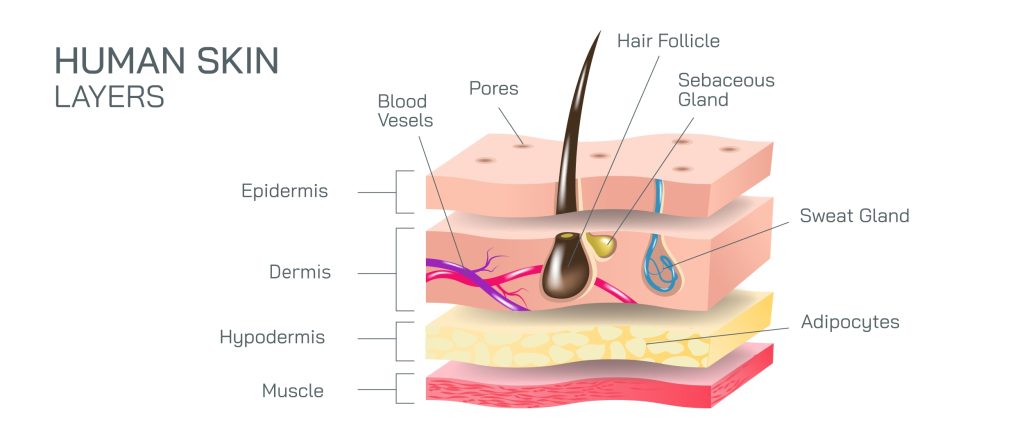
Skin and hair protection is not one single process. It is a network of systems working together. Skin needs a strong barrier, balanced inflammation, stable collagen, and enough antioxidants to neutralize free radicals. Hair needs healthy follicles, a well nourished scalp, and enough nutrients to support keratin production and pigment maintenance.
Ultraviolet radiation and pollution generate reactive oxygen species that damage lipids, proteins, and DNA. In skin, this contributes to photoaging, inflammation, uneven tone, and lower elasticity. In hair, oxidative stress weakens the cuticle, increases dryness, fades color, and can make strands more brittle over time. Nutrients that support antioxidant defenses and repair pathways can reduce this cumulative stress and improve long term appearance and function (Young, Claveau, and Rossi, 2017).
Carotenoids such as beta carotene and lycopene can accumulate in the skin and act as light absorbing compounds that reduce ultraviolet related damage. Studies show that higher intake of carotenoid rich foods is associated with improved skin resilience and reduced sensitivity to sunburn (Stahl and Sies, 2012). Polyphenols from berries, green tea, and cacao can help reduce inflammation and support DNA repair mechanisms in skin cells (Nichols and Katiyar, 2010). These nutrients do not block ultraviolet rays directly, but they help the body recover better after exposure.
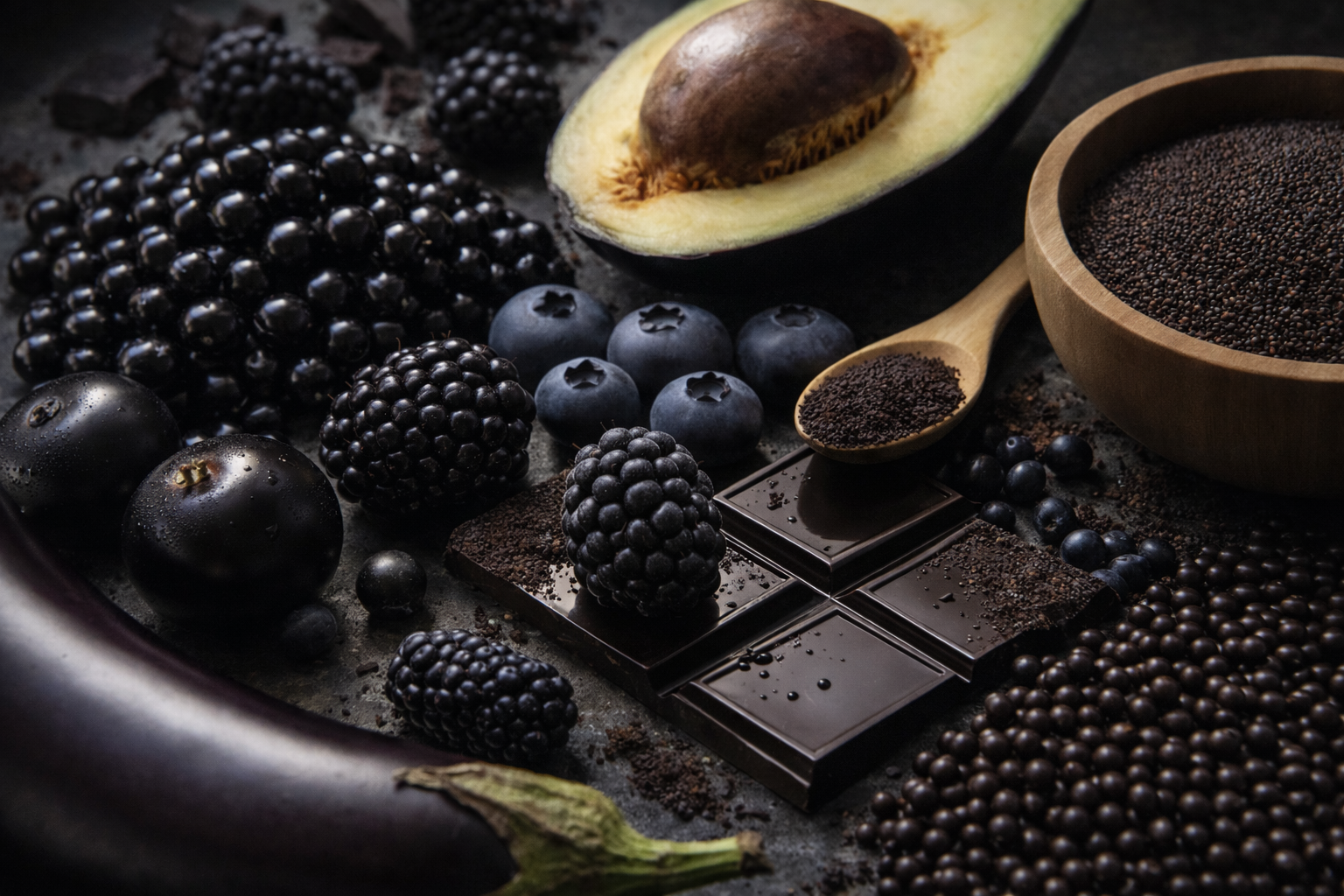
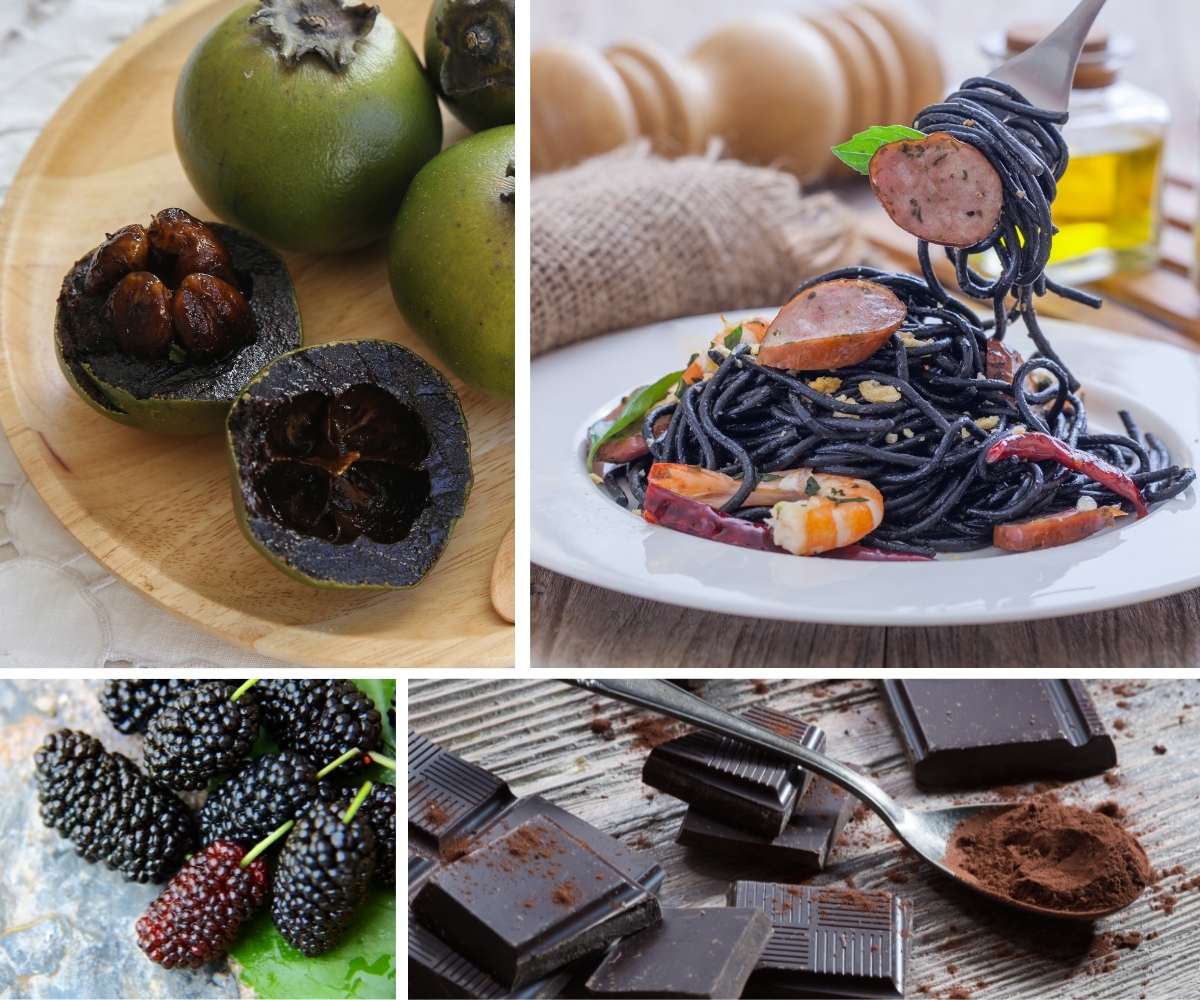
The term melanin rich foods is often used to describe dark colored foods such as black sesame, dark leafy greens, berries, cacao, seaweed, and mushrooms. Eating melanin itself does not directly increase your skin or hair pigment. That is the first myth to clear up. What these foods do provide is a package of nutrients that support melanin related pathways and tissue health.
Melanin synthesis depends on the amino acid tyrosine. Tyrosine is found in eggs, dairy, legumes, soy foods, seeds, and poultry. It serves as a building block for melanin production in both skin and hair follicles. Another key factor is copper, which is required for tyrosinase, the enzyme that helps convert tyrosine into melanin. Copper rich foods include cashews, sesame seeds, lentils, shellfish, and dark chocolate. If copper intake is too low over time, pigment pathways can be affected.
This does not mean a handful of seeds will dramatically darken hair or skin. Genetics and age still dominate the picture. But consistent intake of melanin supporting nutrients may help maintain normal pigment function and reduce oxidative stress that accelerates fading, dullness, and visible damage.
Focusing only on melanin misses the bigger picture. Pigment is one piece of protection, but skin and hair also need structural support. Skin depends on collagen and ceramides to stay firm and hydrated. Hair depends on keratin, scalp circulation, and a stable growth cycle.
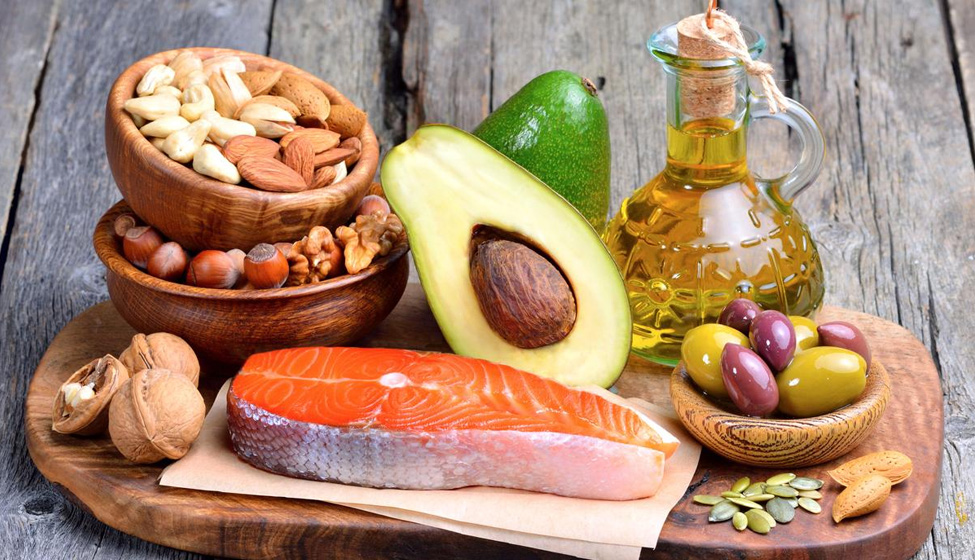
Vitamin C helps collagen synthesis and also regenerates vitamin E, one of the body’s key antioxidants. Vitamin E helps protect cell membranes in skin and scalp tissue. Omega 3 fats support healthy inflammation signaling, which can benefit both skin barrier function and scalp health. Protein provides the amino acids needed to build keratin and maintain hair strength. If your diet is low in protein, your body may prioritize essential functions over hair growth and repair.
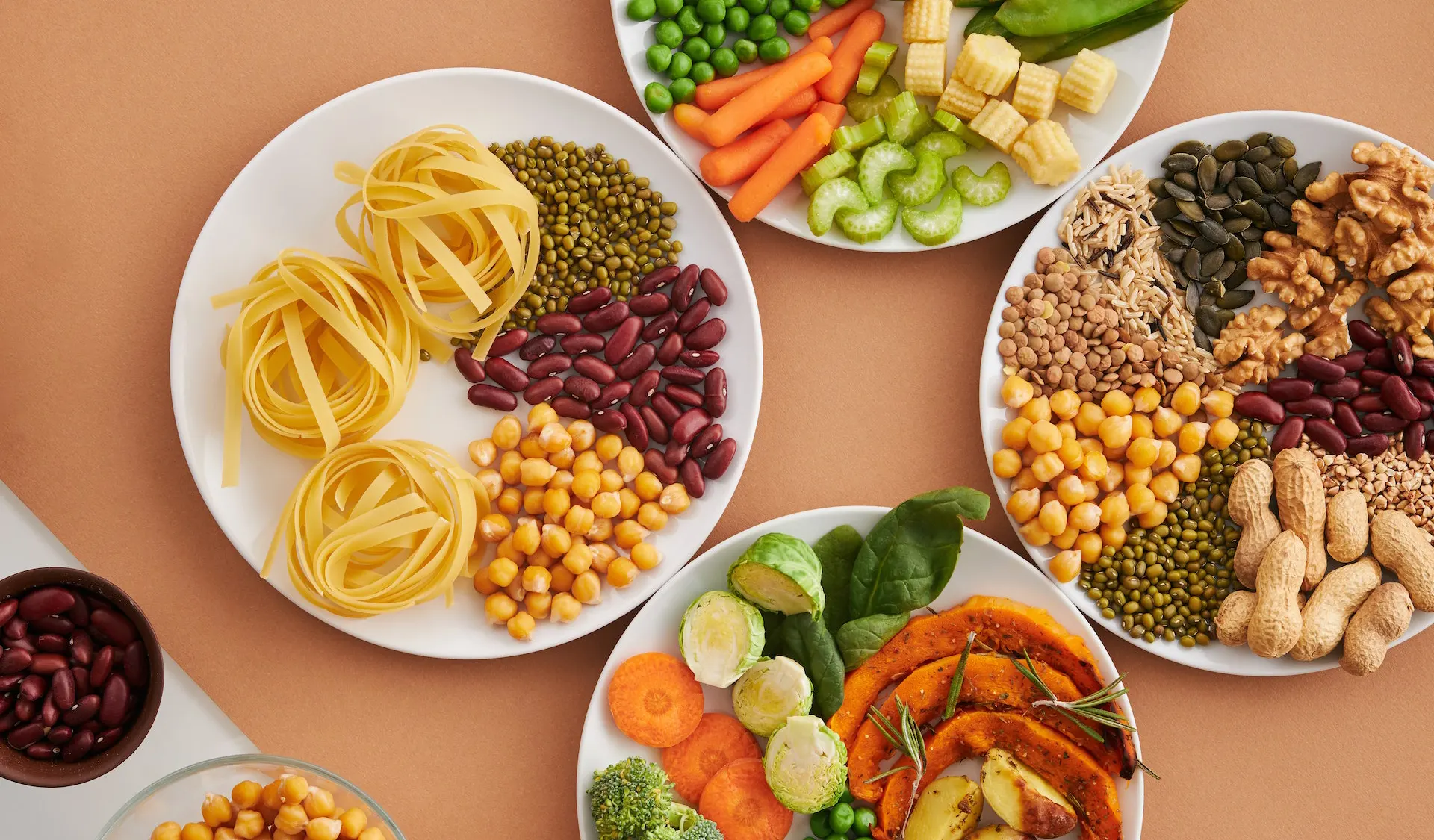
From this perspective, melanin rich foods are most effective when they are part of a nutrient dense pattern, not a standalone trick. A colorful plate with adequate protein, healthy fats, and antioxidant rich produce supports skin and hair from multiple angles.
It is important to challenge a common assumption that internal nutrition can replace external protection. Even the most nutrient dense diet cannot provide sufficient ultraviolet shielding to prevent sunburn or long term damage on its own. The level of protection offered by dietary compounds is modest compared to sunscreen. For example, carotenoid accumulation in the skin may provide a small increase in resistance to ultraviolet damage, but this effect is equivalent to a very low sun protection factor and should be viewed as complementary rather than primary protection (Stahl and Sies, 2012).
A well informed skeptic would point out that much of the evidence in this area comes from controlled studies with specific dosages of nutrients that may be difficult to replicate through diet alone. In addition, individual variability in absorption and metabolism means that responses can differ widely. Therefore, while the concept is biologically plausible, it should not be overstated or oversimplified.
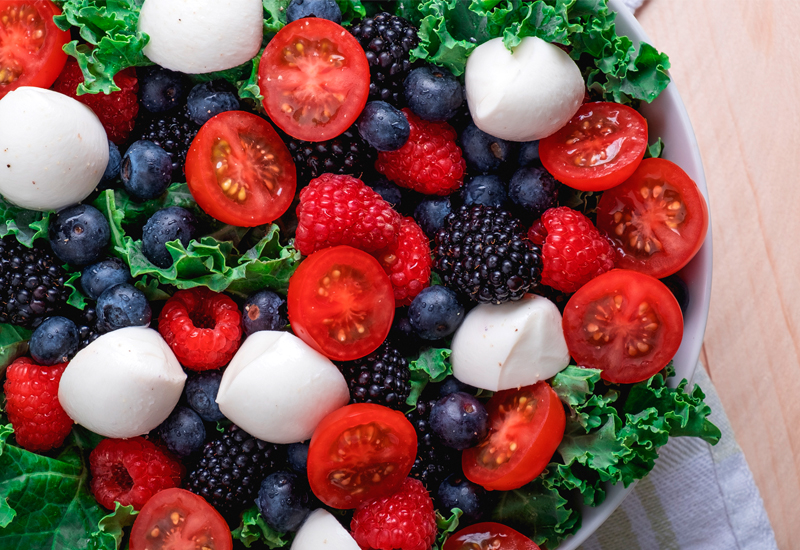
Rather than focusing on specific labels, aim for a diverse intake of whole foods with a range of colors and nutrient profiles. Include berries, leafy greens, tomatoes, nuts, seeds, and minimally processed sources of protein. Regular consumption of these foods provides a steady supply of antioxidants and essential nutrients that support skin function over time.
At the same time, maintain established protective habits such as using sunscreen, wearing protective clothing, and limiting excessive sun exposure. Nutrition should be seen as an additional layer of defense that enhances the body’s natural systems rather than replacing external measures.
Skin and hair protection is not only about what you apply. It is also about what you build from within. Melanin related pathways, antioxidant defenses, and tissue repair all depend on nutrients that come from food. Melanin rich and pigment dense foods can support these systems, but their role is supportive, not magical.
If you want stronger skin and healthier hair, think in layers. Keep sunscreen and protective habits. Add antioxidant rich foods, enough protein, and key minerals like copper. Over time, this creates a more resilient foundation that helps your skin and hair handle stress with less damage and better recovery.
Nichols, J. A., and Katiyar, S. K. (2010) ‘Skin photoprotection by natural polyphenols: anti inflammatory, antioxidant and DNA repair mechanisms’, Archives of Dermatological Research, 302(2):71 to 83. https://doi.org/10.1007/s00403-009-1001-3
Rizwan, M., Rodriguez Blanco, I., Harbottle, A., Birch Machin, M. A., Watson, R. E. B., and Rhodes, L. E. (2011) ‘Tomato paste rich in lycopene protects against cutaneous photodamage in humans in vivo’, British Journal of Dermatology, 164(1):154 to 162. https://doi.org/10.1111/j.1365-2133.2010.10122.x
Stahl, W., and Sies, H. (2012) ‘β carotene and other carotenoids in protection from sunlight’, The American Journal of Clinical Nutrition, 96(5):1179S to 1184S. https://doi.org/10.3945/ajcn.112.034819
Young, A. R., Claveau, J., and Rossi, A. B. (2017) ‘Ultraviolet radiation and the skin: photobiology and sunscreen photoprotection’, Journal of the American Academy of Dermatology, 76(3):S100 to S109. https://doi.org/10.1016/j.jaad.2016.09.038