Socials


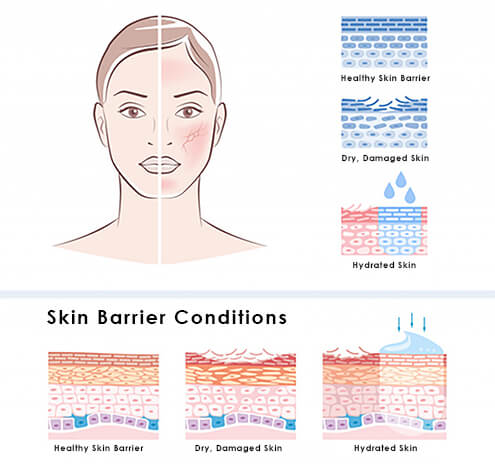
Your skin acts as a barrier. Its outer layer, the stratum corneum, is made of cells held together by lipids. This structure helps keep water in and irritants out.
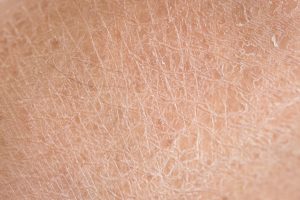
When hydration is low, skin cells lose water and become less flexible. When lipid intake or balance is off, the “seal” between cells weakens. Together, this leads to increased water loss, tightness, and visible dryness (Proksch et al. 2008).
This is why dry skin often feels worse in colder months or during periods of stress or dietary imbalance. It is not just about the environment. It is also about internal support.
If your skin feels tight or dull
Look at your daily fluid intake. Even mild dehydration can reduce skin elasticity and make dryness more noticeable (Akdeniz et al. 2018).
If your skin looks flaky or easily irritated
Dietary fats may be too low or unbalanced. Essential fatty acids help maintain the skin barrier and reduce water loss (Lin et al. 2018).
If moisturizers only help temporarily
Topical products can seal moisture, but they work best when your body has enough water and lipids to begin with.
If your lips and hands crack easily
These are often early signs of barrier disruption. Hydration and fat intake both play a role here.
Water supports nearly every function in the body, including skin health. Well hydrated skin cells maintain better structure and flexibility.
Studies show that increasing water intake can improve skin hydration, especially in people who start with low fluid consumption (Palma et al. 2015). The effect is not dramatic overnight, but it is consistent over time.
Hydration also supports circulation, which helps deliver nutrients to the skin. Without enough fluid, this process becomes less efficient.
A simple way to think about it
Hydration fills the skin from within, while moisturizers help keep that water from escaping.
Lipids are essential for maintaining the skin barrier. They form the “glue” between skin cells and prevent excessive water loss.
Key lipids include ceramides, cholesterol, and fatty acids. These are influenced by both internal production and dietary intake.
Essential fatty acids, especially omega 3 and omega 6, play a direct role in skin barrier function. Low intake has been linked to dry, scaly skin and increased sensitivity (Lin et al. 2018).
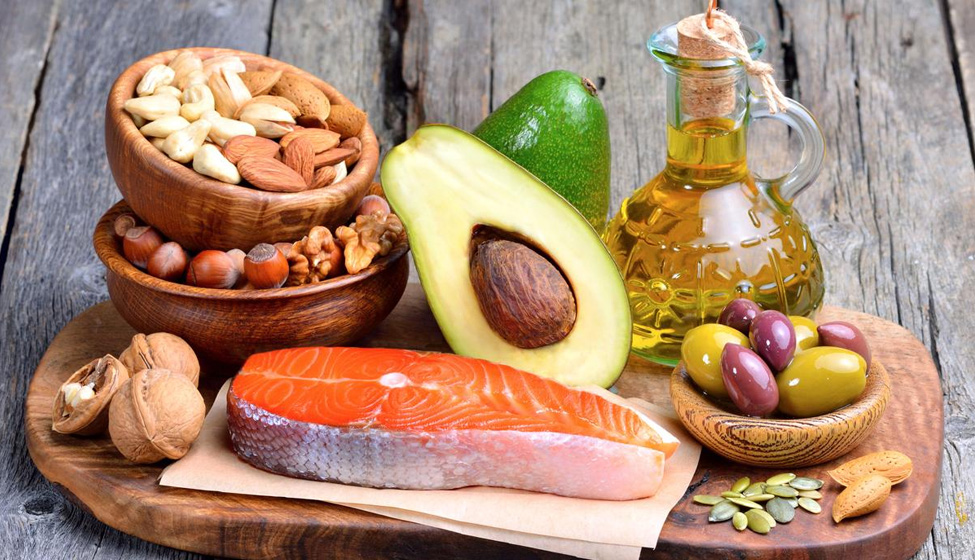
Foods that support this include
Fatty fish
Nuts and seeds
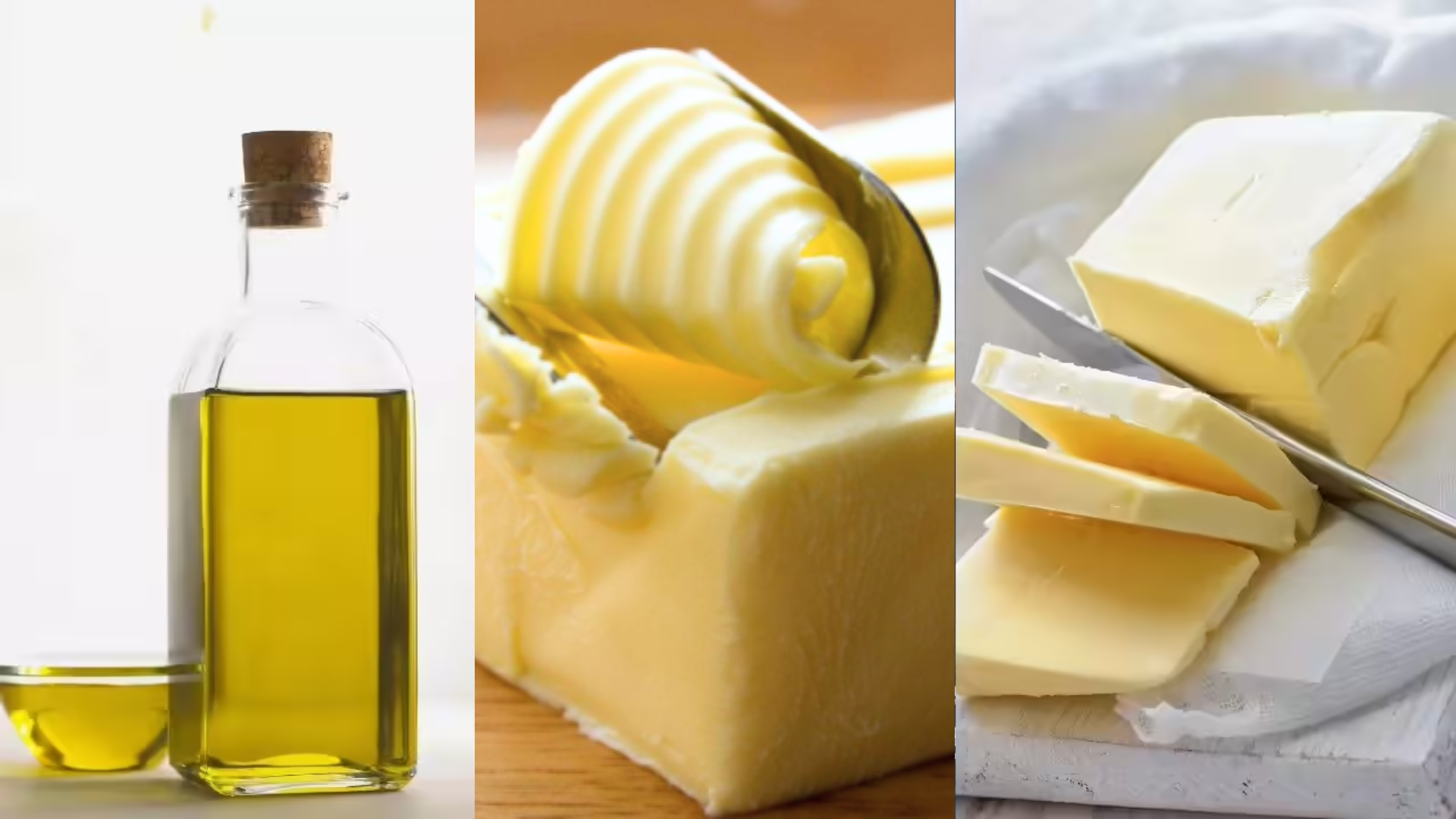
Olive oil and other plant oils
The goal is balance, not excess. Very high fat intake does not necessarily improve skin, but too little can weaken its structure.
A healthy skin barrier reduces transepidermal water loss, which is the process of water escaping from the skin into the environment.
When the barrier is compromised, water loss increases, even if you are drinking enough fluids. This is why both hydration and lipids matter together.
Research shows that improving lipid composition in the skin can reduce water loss and improve overall hydration levels (Proksch et al. 2008).
Drink consistently, not just occasionally
Regular fluid intake matters more than large amounts at once. Aim for steady hydration throughout the day.
Include healthy fats daily
Add sources like fish, nuts, seeds, or plant oils to meals. These support long term barrier function.
Pair internal and external care
Use moisturizers to lock in hydration while supporting your body with fluids and nutrients.
Watch your environment
Cold air, low humidity, and hot showers can all increase water loss. Adjusting these helps your skin retain moisture.

Start your day with water
After sleep, your body is naturally slightly dehydrated.
Add fats to simple meals
A drizzle of olive oil or a handful of nuts can make a difference over time.
Limit overly harsh cleansers
These can strip natural lipids from the skin and worsen dryness.
Use moisturizers on damp skin
This helps trap water more effectively.
If dry skin is persistent, painful, or associated with redness or itching, it may go beyond hydration or diet. Conditions like eczema or dermatitis involve deeper changes in the skin barrier and may need targeted treatment.
If you have very restrictive eating patterns, low fat intake can contribute to skin issues. In these cases, gradual dietary adjustment is often more effective than topical solutions alone.
Dry skin is not only a surface issue. It often reflects how well your body is hydrated and whether your skin has the lipids it needs to hold onto that moisture. Drinking enough water and including healthy fats in your diet can support the skin barrier from within. When combined with simple external care, these habits help your skin stay more comfortable, resilient, and balanced over time.
Proksch E, Brandner JM, Jensen JM. 2008 The skin epidermal barrier function and its importance at the skin surface. Journal of Dermatology 35(12):1063–1072. https://doi.org/10.1111/j.1346-8138.2008.00556.x
Akdeniz M, Tomova-Simitchieva T, Dobos G et al. 2018 Does dietary fluid intake affect skin hydration in healthy humans A systematic review. Skin Research and Technology 24(3):459–465. https://doi.org/10.1111/srt.12454
Palma L, Marques LT, Bujan J et al. 2015 Dietary water affects human skin hydration and biomechanics. Clinical Cosmetic and Investigational Dermatology 8:413–421. https://doi.org/10.2147/CCID.S88404
Lin TK, Zhong L, Santiago JL. 2018 Anti-inflammatory and skin barrier repair effects of topical application of some plant oils. International Journal of Molecular Sciences 19(1):70. https://doi.org/10.3390/ijms19010070


.png)


