Socials


.png)
Fiber is often treated as a minor nutritional detail compared with protein, carbohydrates, or fats. Yet dietary fiber plays a central role in digestion, metabolic regulation, and long term disease prevention. Despite this, many adults consistently consume far less fiber than recommended. Most health guidelines suggest approximately 25 to 38 grams of fiber per day depending on age and sex, but average intake in many countries falls well below these levels. This gap matters because fiber does far more than support regular digestion. It influences blood sugar regulation, gut microbiome diversity, appetite control, and cardiometabolic health.
Increasing fiber intake is therefore not simply about avoiding digestive discomfort. It is about improving how the body processes nutrients, stabilizing daily energy levels, and reducing the risk of chronic diseases over time. Understanding the broader physiological role of fiber can help explain why this often overlooked nutrient deserves far more attention in everyday diets.
Dietary fiber refers to plant based carbohydrates that resist digestion in the small intestine. Unlike most carbohydrates, fiber is not broken down into glucose during digestion. Instead, it passes through the digestive tract where it performs several mechanical and metabolic functions that support overall health.
One of fiber’s primary roles is improving digestive movement. Insoluble fiber adds bulk to stool and helps move food through the gastrointestinal tract, supporting regular bowel movements and reducing the likelihood of constipation. Soluble fiber, on the other hand, forms gel like substances in the gut that slow digestion and nutrient absorption.
This slower digestive process has important metabolic consequences. By slowing the absorption of carbohydrates, fiber helps moderate post meal blood glucose levels and prevents rapid spikes followed by crashes in energy. Stable glucose responses are associated with improved metabolic health and a lower risk of developing conditions such as type 2 diabetes (Slavin, 2013).
Fiber also interacts closely with the gut microbiome. Certain types of fiber act as prebiotics, serving as fuel for beneficial gut bacteria. When these bacteria ferment fiber, they produce short chain fatty acids such as butyrate, acetate, and propionate. These compounds support intestinal integrity, regulate inflammation, and influence metabolic pathways related to energy balance (Makki et al., 2018). In this way, fiber functions not just as a digestive aid but also as a key regulator of microbial and metabolic health.
The human gut contains trillions of microorganisms that collectively influence digestion, immune function, and even metabolic signaling. Dietary fiber is one of the primary nutrients that shapes this microbial ecosystem.
When fiber reaches the colon, gut bacteria ferment it into short chain fatty acids that serve as an energy source for colon cells and help maintain the intestinal barrier. A healthy barrier prevents harmful bacteria and toxins from entering the bloodstream and triggering systemic inflammation.
Research suggests that higher fiber intake is associated with greater microbial diversity and improved metabolic markers. Diverse microbial populations are generally linked with better immune regulation and reduced risk of inflammatory diseases (Makki et al., 2018). Conversely, low fiber diets can limit microbial diversity and reduce the production of beneficial fermentation products.
This interaction between fiber and gut bacteria illustrates why fiber intake has implications far beyond digestion alone. The gut microbiome communicates with metabolic, hormonal, and immune systems throughout the body, meaning that fiber indirectly influences many aspects of health.
One of the most immediate benefits of dietary fiber is its ability to regulate blood sugar levels. Foods rich in soluble fiber slow the digestion and absorption of carbohydrates, which helps reduce the rapid rise in blood glucose that can occur after eating refined carbohydrates.
This effect is particularly important for maintaining steady energy levels throughout the day. Rapid spikes in blood glucose are often followed by sharp declines, which can trigger fatigue, hunger, and cravings. Fiber helps smooth these fluctuations by slowing gastric emptying and carbohydrate absorption.
Long term evidence supports this metabolic benefit. Diets high in fiber are associated with improved insulin sensitivity and lower risk of developing type 2 diabetes (Reynolds et al., 2019). By moderating glucose responses and improving insulin regulation, fiber helps maintain metabolic stability and supports healthier energy management across the day.
Fiber rich foods also tend to require more chewing and have greater volume relative to their calorie content. This combination can increase satiety signals and reduce overall energy intake, which may contribute to improved weight management over time.
Beyond immediate digestive and metabolic effects, fiber intake is strongly associated with long term health outcomes. Numerous large scale studies have found that higher fiber consumption correlates with reduced risk of several chronic diseases.
Cardiovascular health is one of the most well documented benefits. Soluble fiber can bind to bile acids in the digestive system, promoting their excretion and encouraging the liver to use circulating cholesterol to produce more bile. This process contributes to reductions in LDL cholesterol levels, which are linked with lower cardiovascular disease risk (Threapleton et al., 2013).
Higher fiber intake has also been associated with reduced risk of colorectal cancer. Fiber increases stool bulk and reduces the time that potential carcinogens remain in contact with the intestinal lining. In addition, fermentation products such as butyrate may support colon cell health and reduce inflammatory processes in the gut.
A large meta analysis examining multiple long term studies concluded that individuals with the highest fiber intake had significantly lower risk of cardiovascular disease, type 2 diabetes, and overall mortality compared with those consuming the least fiber (Reynolds et al., 2019). These findings highlight fiber as a foundational component of disease prevention rather than simply a digestive aid.
Despite its importance, fiber intake remains low in many populations. Increasing fiber consumption does not necessarily require major dietary changes, but it does benefit from gradual adjustments and attention to whole food sources.
Adding fiber slowly is often recommended because sudden increases can lead to temporary digestive discomfort such as bloating. Gradual changes allow the digestive system and gut microbiota to adapt.
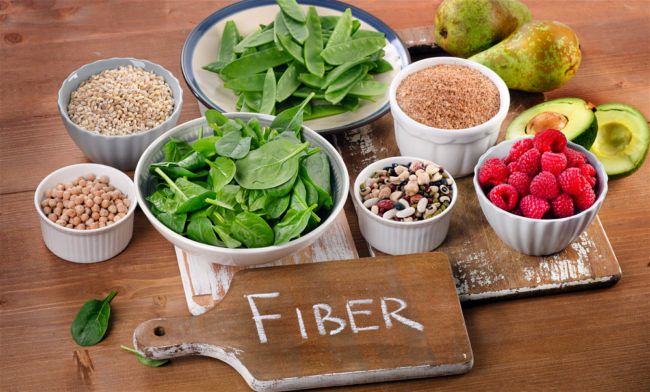
Whole plant foods are the most reliable sources of fiber. Vegetables, fruits, legumes, nuts, seeds, and whole grains naturally contain a variety of fiber types that support both digestive and microbial health. Foods such as lentils, chickpeas, beans, oats, pears, berries, and artichokes are particularly rich in fiber and can be easily incorporated into meals.
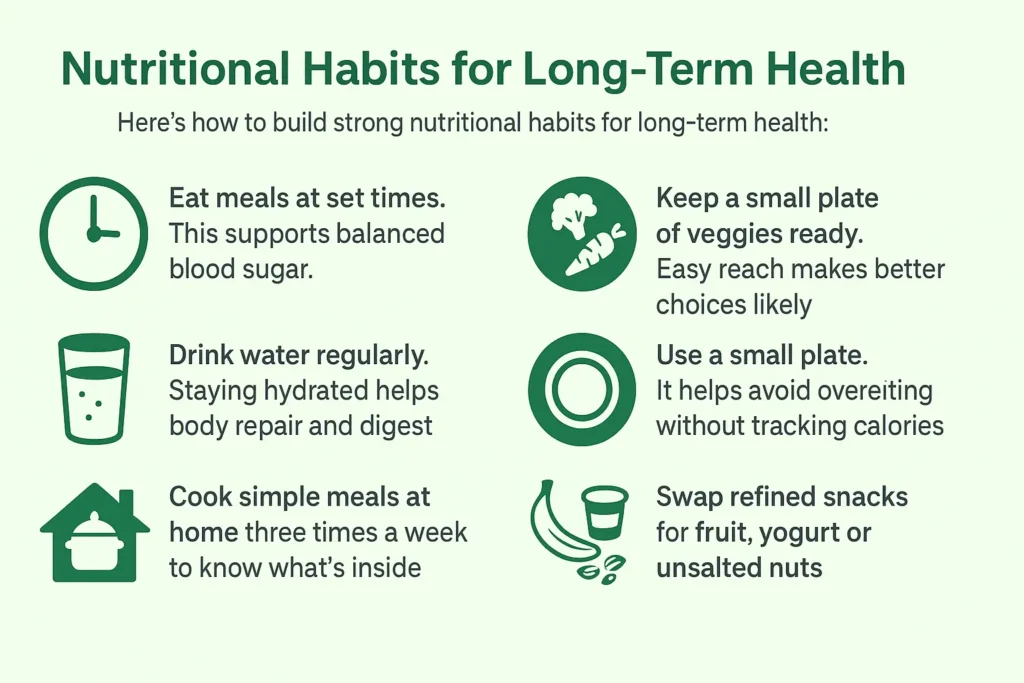
Hydration is also important when increasing fiber intake. Fiber absorbs water in the digestive tract, and adequate fluid intake helps it move smoothly through the gastrointestinal system.
Small adjustments can significantly increase total intake. Choosing whole fruit instead of juice, replacing refined grains with whole grain alternatives, and incorporating legumes into meals a few times per week can substantially raise daily fiber consumption.
Modern nutrition discussions often focus on macronutrient ratios or individual supplements, but fiber illustrates how simple dietary components can influence multiple physiological systems at once. It supports digestion, shapes the gut microbiome, stabilizes blood sugar, and contributes to long term disease prevention.
When fiber intake is consistently low, these interconnected systems may function less efficiently. By contrast, diets rich in diverse plant foods naturally provide the types of fiber that promote digestive health and metabolic balance.
Rather than viewing fiber as an optional addition to the diet, it can be understood as a foundational nutrient that helps the body process food more effectively and maintain long term health.
Fiber plays a far greater role in health than many people realize. It supports digestive function, nourishes beneficial gut bacteria, stabilizes blood sugar, and contributes to the prevention of several chronic diseases. Because most adults consume far less fiber than recommended, increasing intake through whole plant foods represents one of the most practical and impactful improvements that can be made to daily nutrition. Gradual increases, diverse food sources, and adequate hydration can help integrate fiber into the diet in a sustainable and beneficial way.
Makki, K., Deehan, E. C., Walter, J., and Bäckhed, F. (2018) ‘The impact of dietary fiber on gut microbiota in host health and disease’, Cell Host and Microbe, 23(6):705 to 715. https://doi.org/10.1016/j.chom.2018.05.012
Reynolds, A., Mann, J., Cummings, J., Winter, N., Mete, E., and Te Morenga, L. (2019) ‘Carbohydrate quality and human health: a series of systematic reviews and meta analyses’, The Lancet, 393(10170):434 to 445. https://doi.org/10.1016/S0140-6736(18)31809-9
Slavin, J. L. (2013) ‘Dietary fiber and body weight’, Nutrition, 29(3):411 to 418. https://doi.org/10.1016/j.nut.2012.08.018
Threapleton, D. E., Greenwood, D. C., Evans, C. E. L., Cleghorn, C. L., Nykjaer, C., Woodhead, C., Cade, J. E., Gale, C. P., and Burley, V. J. (2013) ‘Dietary fibre intake and risk of cardiovascular disease’, BMJ, 347:f6879. https://doi.org/10.1136/bmj.f6879