Socials


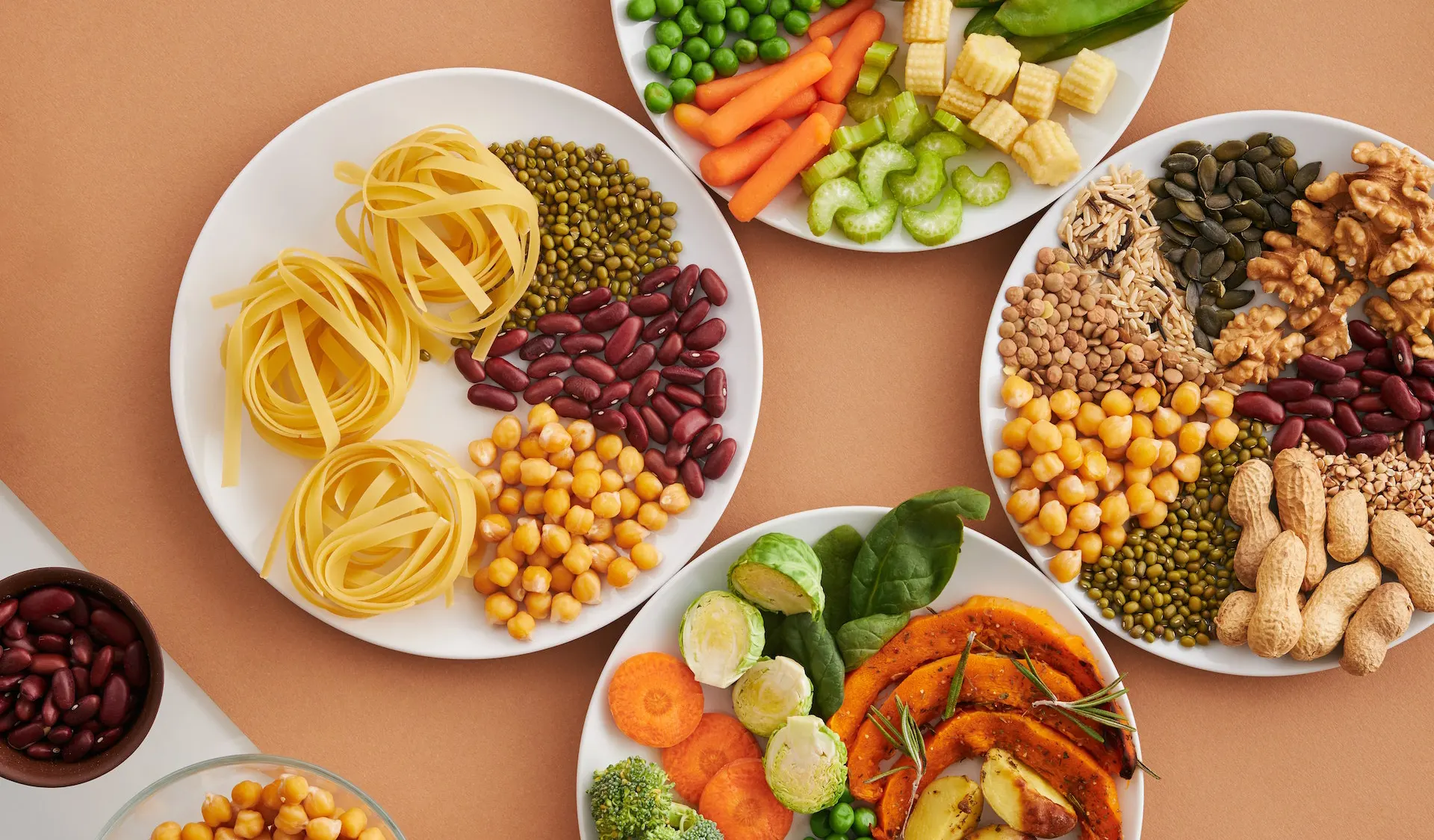
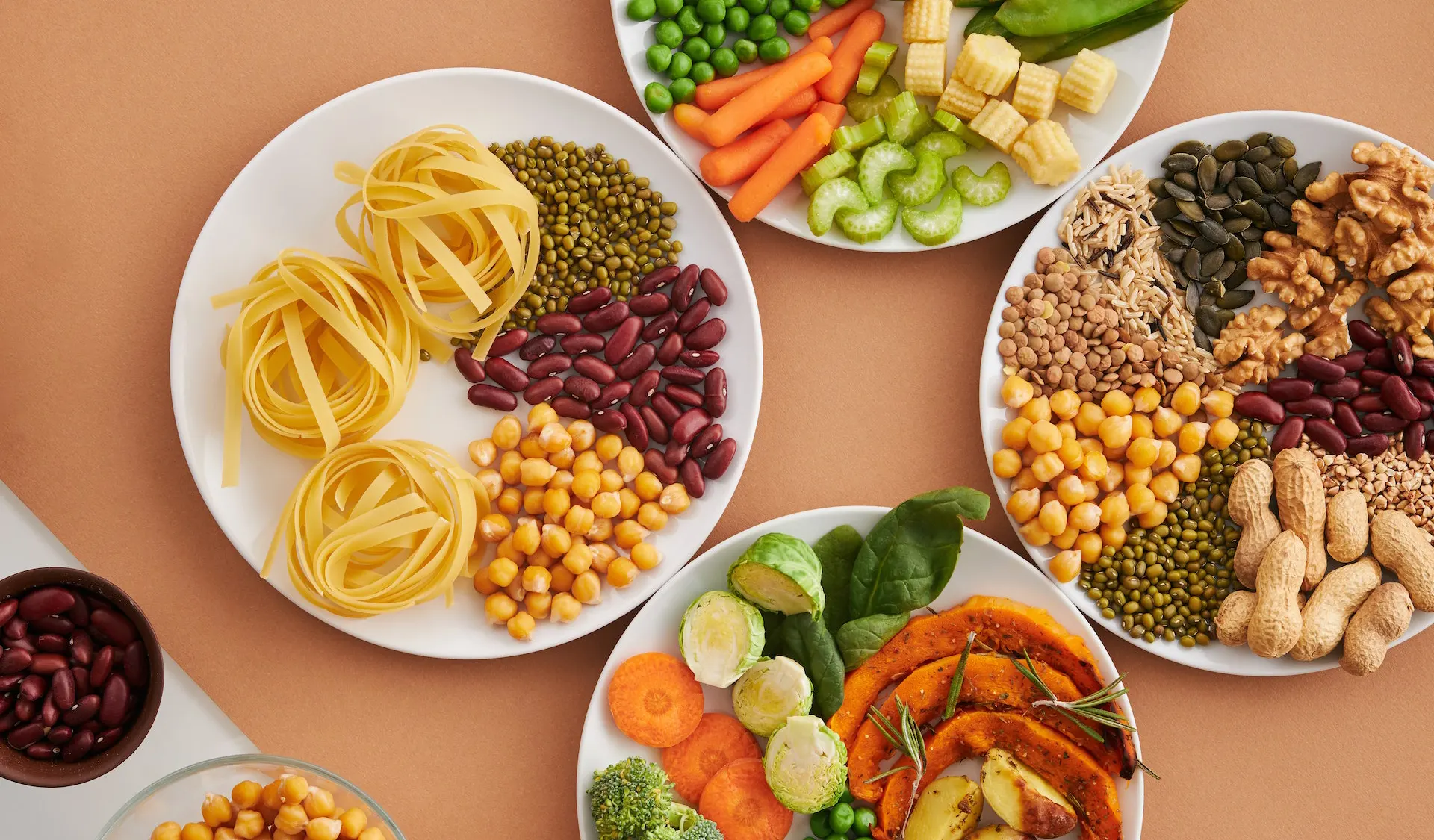
Fiber is important for digestion, blood sugar control, cholesterol regulation, and gut microbiome health. But increasing fiber intake too quickly can overwhelm the digestive system before the gut has time to adapt. Unlike food poisoning or intolerance, this discomfort is usually temporary and linked to rapid fermentation by gut bacteria.
Many people experience bloating, gas, cramping, or irregular bowel movements after suddenly adding large amounts of beans, vegetables, oats, fiber bars, or supplements. The goal is not to avoid fiber. It is to increase intake gradually so the digestive system and microbiome can adjust properly.
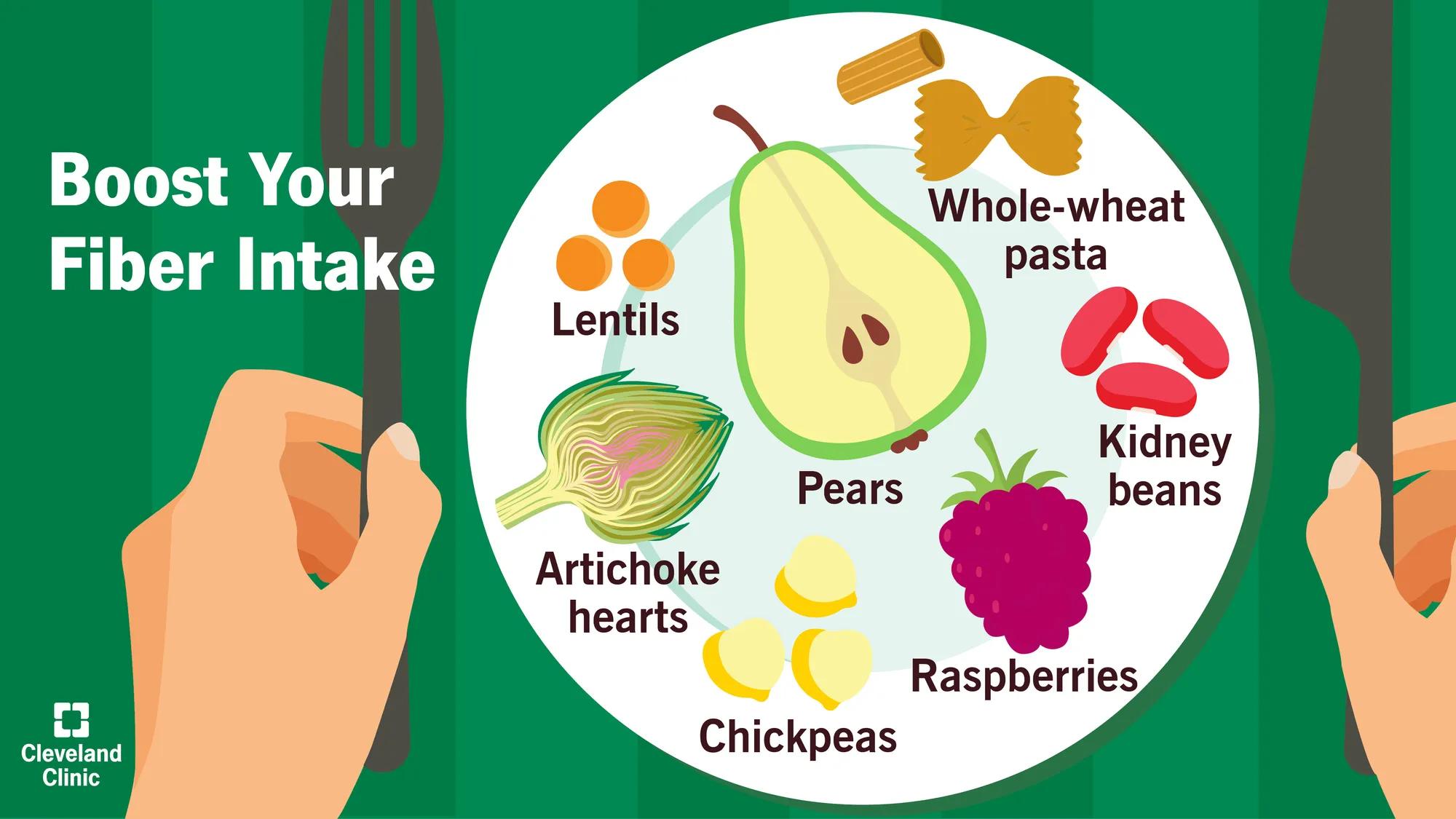
Fiber passes through the small intestine largely undigested and reaches the colon, where gut bacteria ferment it. This process produces beneficial compounds called short chain fatty acids, but it also generates gas as a byproduct.
When fiber intake rises suddenly, bacteria receive far more fermentable material than usual. This rapid increase can temporarily create excess gas production, abdominal pressure, and digestive discomfort.
Certain fibers also absorb large amounts of water. Without adequate hydration, stool consistency and intestinal movement may change in uncomfortable ways.
The digestive system adapts over time, but the transition period can feel intense if intake rises too aggressively.
If you feel bloated after eating healthier foods: Your gut bacteria may simply be adjusting to higher fiber intake. Symptoms often improve gradually over several days or weeks.
If constipation worsens after adding fiber: Increase water intake as well. Some fibers absorb significant amounts of fluid and may slow digestion if hydration is insufficient.
If gas becomes excessive: Reduce portion sizes temporarily rather than removing fiber completely. Smaller increases allow the microbiome to adapt more comfortably.
If you recently started fiber supplements: Start with lower doses. Products such as psyllium husk or inulin can trigger bloating if introduced too aggressively.
If raw vegetables feel difficult to digest: Cooked vegetables are often easier to tolerate during adaptation because heat softens plant fibers.
Fiber interacts with digestion in several ways depending on the type consumed.
Soluble fiber absorbs water and forms gel like material in the digestive tract. This can slow digestion and support blood sugar regulation.
Insoluble fiber adds bulk to stool and supports bowel movement regularity.
Fermentable fibers feed gut bacteria, which may improve microbiome diversity and produce beneficial compounds. However, rapid fermentation can also increase gas and bloating temporarily.
The combination of bacterial activity, fluid shifts, and intestinal movement explains why digestive symptoms can appear suddenly after major dietary changes.
Gut bacteria change based on long term eating patterns. A low fiber diet supports different microbial populations than a high fiber diet.
When more fiber suddenly arrives in the colon, bacterial fermentation increases rapidly before the ecosystem stabilizes. Over time, the microbiome often becomes more efficient at processing fiber with fewer symptoms.
This adaptation process is one reason people who consistently eat high fiber diets frequently tolerate foods that initially caused bloating.
Fiber supplements can be useful, but concentrated doses are sometimes harder to tolerate than whole foods.
Common reactions include:
• Gas and bloating
• Abdominal cramping
• Temporary constipation
• Loose stools
• Increased bowel urgency
Psyllium tends to be better tolerated for some individuals because it forms a viscous gel, while highly fermentable fibers such as inulin may produce more gas.
Starting with small amounts and increasing slowly usually improves tolerance.
Adding 5 grams of fiber every few days is often easier on digestion than doubling intake overnight.
Large amounts in one sitting may intensify bloating and abdominal pressure.
Fiber works best when fluid intake also increases. Hydration supports stool softness and digestive movement.
Cooked vegetables are often gentler during adjustment periods because heating softens plant structure.
Beans, oats, vegetables, fruit, nuts, and seeds generally provide fiber in a more balanced form than heavily processed fiber products.
Walking and light physical activity may help stimulate digestion and reduce feelings of abdominal fullness.
Good beginner fiber foods: Oats, berries, bananas, potatoes, cooked vegetables, lentils, and chia seeds in moderate amounts.
Foods that commonly trigger rapid bloating: Large servings of beans, bran cereals, fiber bars, sugar alcohols, and highly concentrated supplements.
Helpful eating habits: Chew slowly, increase portions gradually, and avoid dramatically changing your diet overnight.

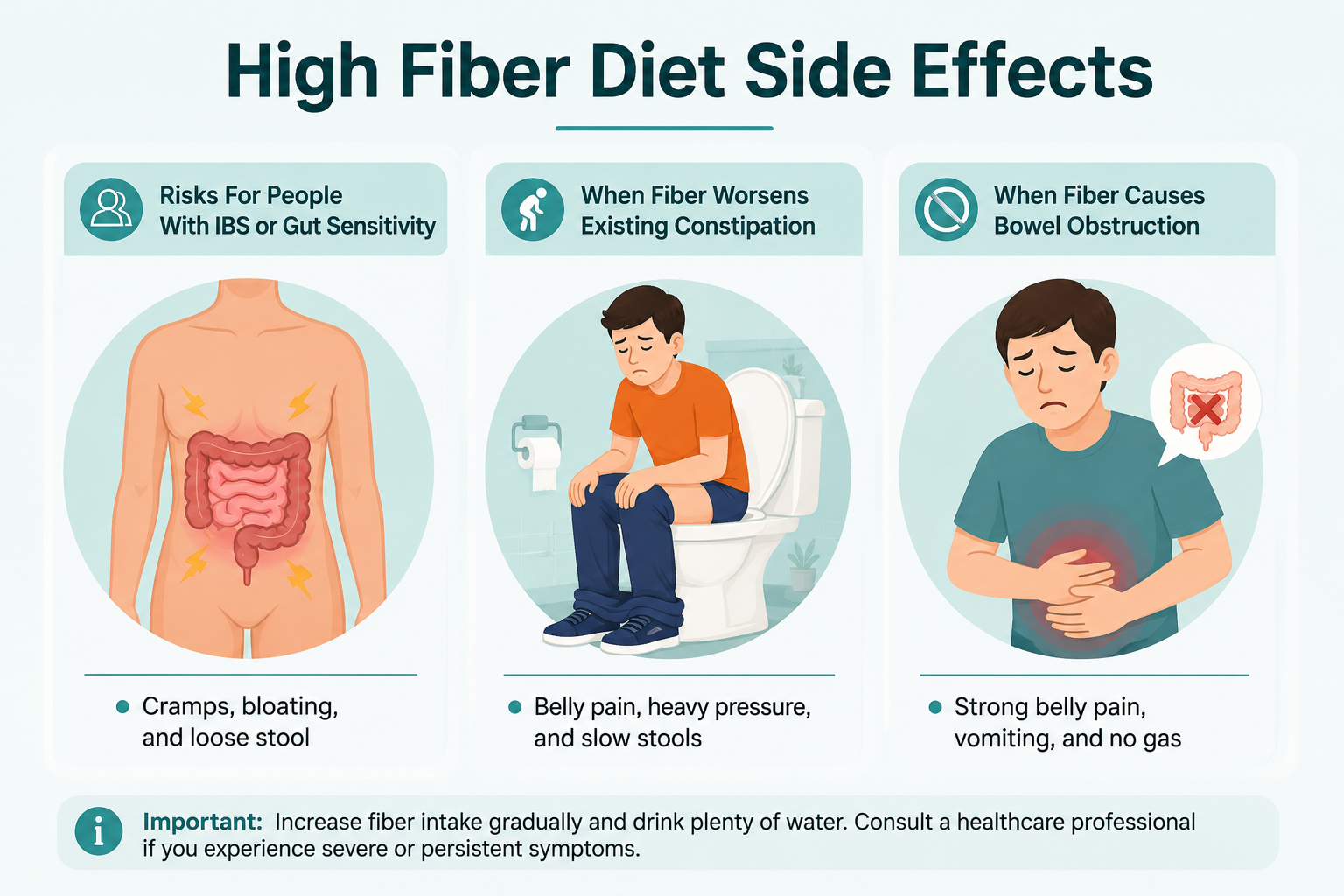
What to monitor: Persistent pain, severe constipation, vomiting, or blood in stool should not be dismissed as normal fiber adjustment.
Talk to a clinician if digestive symptoms remain severe, worsen over time, or are accompanied by unexplained weight loss, chronic diarrhea, or significant abdominal pain. Temporary bloating from fiber adjustment is common, but persistent gastrointestinal symptoms deserve evaluation.
Fiber supports digestive health, microbiome diversity, blood sugar regulation, and long term metabolic health. But increasing intake too quickly can temporarily overwhelm the digestive system and gut bacteria, leading to bloating, gas, cramping, or irregular bowel movements.
Most people tolerate fiber better when intake increases gradually alongside adequate hydration and balanced meals. The gut microbiome adapts over time, and consistency usually matters more than sudden extreme changes.
Slavin JL. 2013 Fiber and prebiotics: Mechanisms and health benefits. Nutrients 5(4):1417–1435. https://doi.org/10.3390/nu5041417
Makki K, Deehan EC, Walter J et al. 2018 The impact of dietary fiber on gut microbiota in host health and disease. Cell Host & Microbe 23(6):705–715. https://doi.org/10.1016/j.chom.2018.05.012
Anderson JW, Baird P, Davis RH et al. 2009 Health benefits of dietary fiber. Nutrition Reviews 67(4):188–205. https://doi.org/10.1111/j.1753-4887.2009.00189.x
Müller M, Hermes GDA, Canfora EE et al. 2020 Distal colonic transit is linked to gut microbiota diversity and microbial fermentation in humans with slow colonic transit. American Journal of Physiology Gastrointestinal and Liver Physiology 318(2):G361–G369. https://doi.org/10.1152/ajpgi.00283.2019