Socials


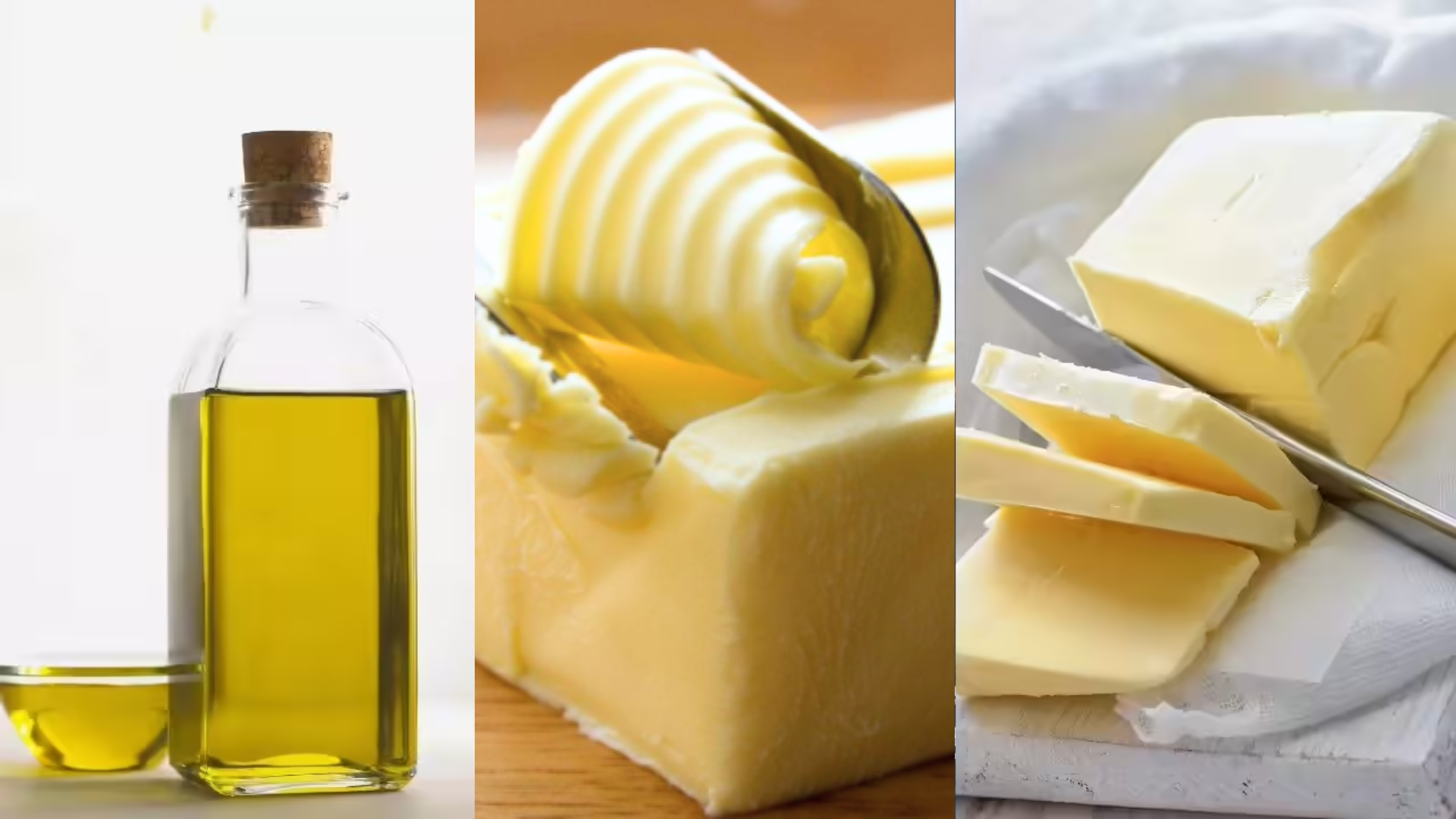
Most people choose fats based on taste or habit. What you cook with and spread on your food also shapes cholesterol levels, inflammation, and long term heart health. There is no single “perfect” fat. The goal is to understand how each type behaves in the body and use them with intent.
Fats are not interchangeable. Their chemical structure influences how they are digested, transported, and used by the body.
Saturated fats, found in butter and some animal products, tend to raise LDL cholesterol when consumed in excess. Unsaturated fats, especially from plant oils like olive, canola, and sunflower, are associated with improved lipid profiles and lower cardiovascular risk when they replace saturated fats in the diet. Margarine sits between these categories and depends heavily on how it is produced.
Beyond cholesterol, fats influence inflammation, cell membrane function, and hormone signaling. These effects accumulate over time, which is why small daily choices matter.

If your priority is heart health
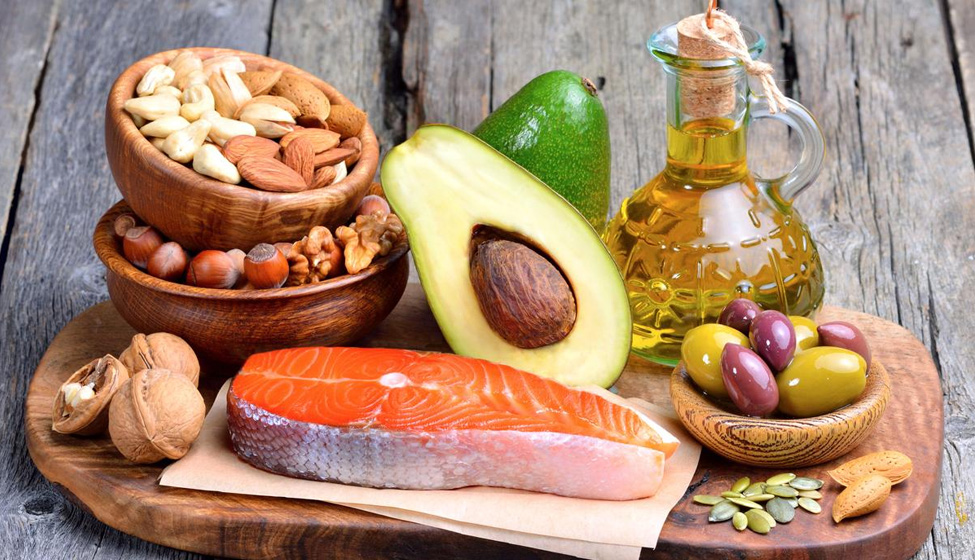
Use plant oils as your default. Oils rich in monounsaturated and polyunsaturated fats can help lower LDL cholesterol when they replace saturated fats. Olive oil is one of the most studied options.
If you care about flavor and texture
Butter has a distinct taste and works well in baking or finishing dishes. Use it in small amounts where it adds the most value rather than as a primary cooking fat.
If you are considering margarine
Choose products labeled trans fat free and check the ingredient list. Avoid partially hydrogenated oils. Modern soft margarines can be a reasonable alternative if they are low in saturated fat and minimally processed.
If you cook at high heat
Use oils with higher heat stability such as refined olive oil, avocado oil, or canola oil. Butter burns more easily due to its milk solids.
Saturated fats are typically solid at room temperature. Their structure makes them more stable but also more likely to raise LDL cholesterol when intake is high. Butter is a clear example.
Unsaturated fats are usually liquid. Their structure supports more favorable effects on cholesterol, particularly when replacing saturated fat rather than simply adding extra calories. Diets that shift toward unsaturated fats consistently show better cardiovascular outcomes.
The key point is substitution. Adding olive oil on top of a diet already high in saturated fat will not have the same effect as replacing butter or fatty meats with plant oils.
Margarine has a complicated history. Earlier versions were made through partial hydrogenation, which created trans fats. These fats are strongly associated with increased cardiovascular risk and are now widely removed or restricted.
Modern margarines are reformulated, often using blends of plant oils. However, processing still varies. Some products are highly refined and include additives for texture and shelf stability.
Reading labels remains important. Look for
No partially hydrogenated oils
Lower saturated fat content
Shorter ingredient lists when possible
Processing is not inherently harmful, but it often signals a product designed for texture and convenience rather than nutritional quality.
Butter contains fat soluble vitamins such as vitamin A, but in relatively modest amounts compared with overall calorie content.
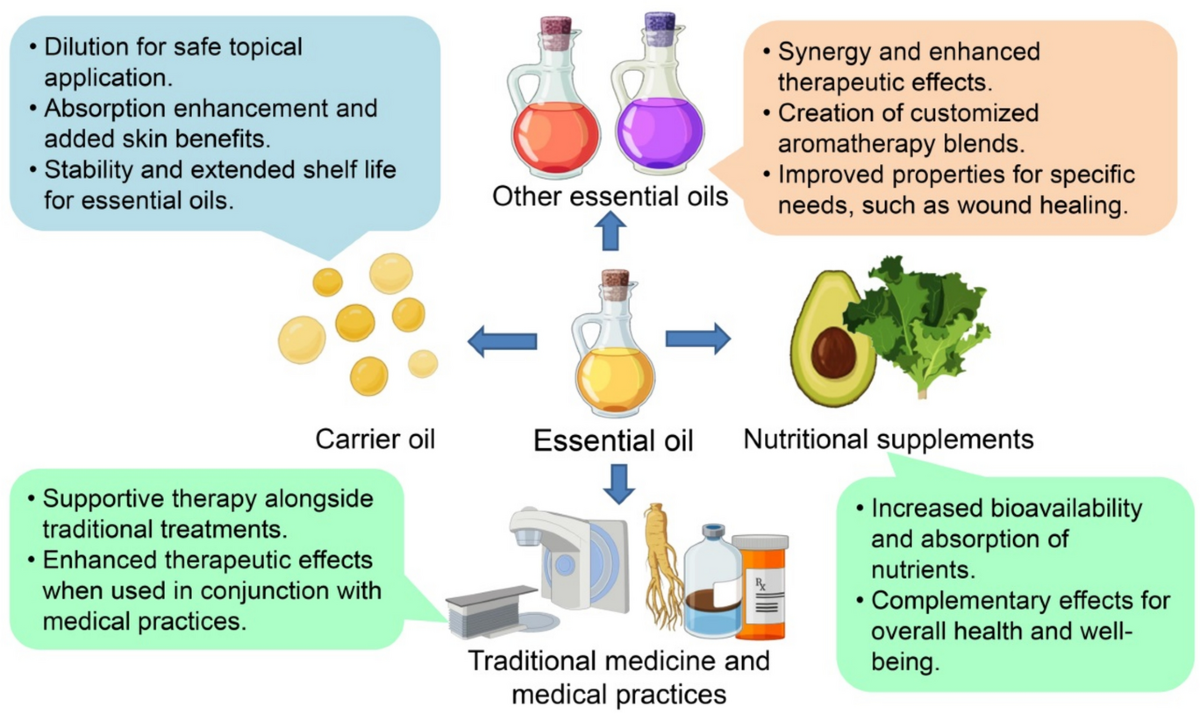
Unrefined plant oils, especially extra virgin varieties, contain bioactive compounds like polyphenols. These compounds have antioxidant and anti inflammatory properties and may contribute to cardiovascular benefits seen in Mediterranean style diets.
Refining removes some of these compounds but improves heat stability. This creates a practical trade off between nutrition and cooking function.
Match fat to purpose
Use butter where flavor is central, such as baking or finishing. Use plant oils for most cooking and daily use.
Prioritize replacement over addition
Improving fat quality works best when it replaces less favorable fats rather than increasing total intake.
Check labels on processed spreads
Not all margarines are equal. Look for clear labeling and avoid outdated formulations with trans fats.
Consider the whole diet
Fat choice matters, but overall dietary pattern matters more. Vegetables, fiber, protein quality, and total energy intake all interact with fat intake.
Use a rotation strategy
Keep one flavorful fat such as butter and one or two versatile plant oils. This helps balance taste and health.
Watch portion size
All fats are calorie dense. Small changes in quantity can significantly affect total intake.
Store oils properly
Light and heat can degrade oils. Store them in a cool, dark place and avoid using old or rancid oils.
Avoid overheating
Even stable oils can degrade at very high temperatures. Use moderate heat when possible.
If you have elevated LDL cholesterol, metabolic syndrome, or a family history of cardiovascular disease, fat quality becomes more important. Replacing saturated fats with unsaturated fats is a well supported strategy, but individual response can vary. Clinical guidance may be useful in these cases.
Butter, margarine, and plant oils each have a place. Plant oils should form the foundation for daily cooking due to their favorable effects on heart health. Butter works best in small amounts where flavor matters. Margarine can be acceptable if it is well formulated and free of trans fats. The most effective approach is not strict avoidance but consistent, informed selection over time.
Mensink RP, Zock PL, Kester AD et al. 2003 Effects of dietary fatty acids and carbohydrates on the ratio of serum total to HDL cholesterol and on serum lipids and apolipoproteins. American Journal of Clinical Nutrition 77(5):1146–1155. https://doi.org/10.1093/ajcn/77.5.1146
Mozaffarian D, Micha R, Wallace S. 2010 Effects on coronary heart disease of increasing polyunsaturated fat in place of saturated fat. PLoS Medicine 7(3):e1000252. https://doi.org/10.1371/journal.pmed.1000252
U.S. Food and Drug Administration. 2015 Final determination regarding partially hydrogenated oils. Federal Register 80(116):34650–34670.
Schwingshackl L, Hoffmann G. 2014 Monounsaturated fatty acids and risk of cardiovascular disease. Annals of Nutrition and Metabolism 65(1):1–15. https://doi.org/10.1159/000365142
Estruch R, Ros E, Salas Salvadó J et al. 2018 Primary prevention of cardiovascular disease with a Mediterranean diet supplemented with extra virgin olive oil or nuts. New England Journal of Medicine 378(25):e34. https://doi.org/10.1056/NEJMoa1800389


.png)


