Socials


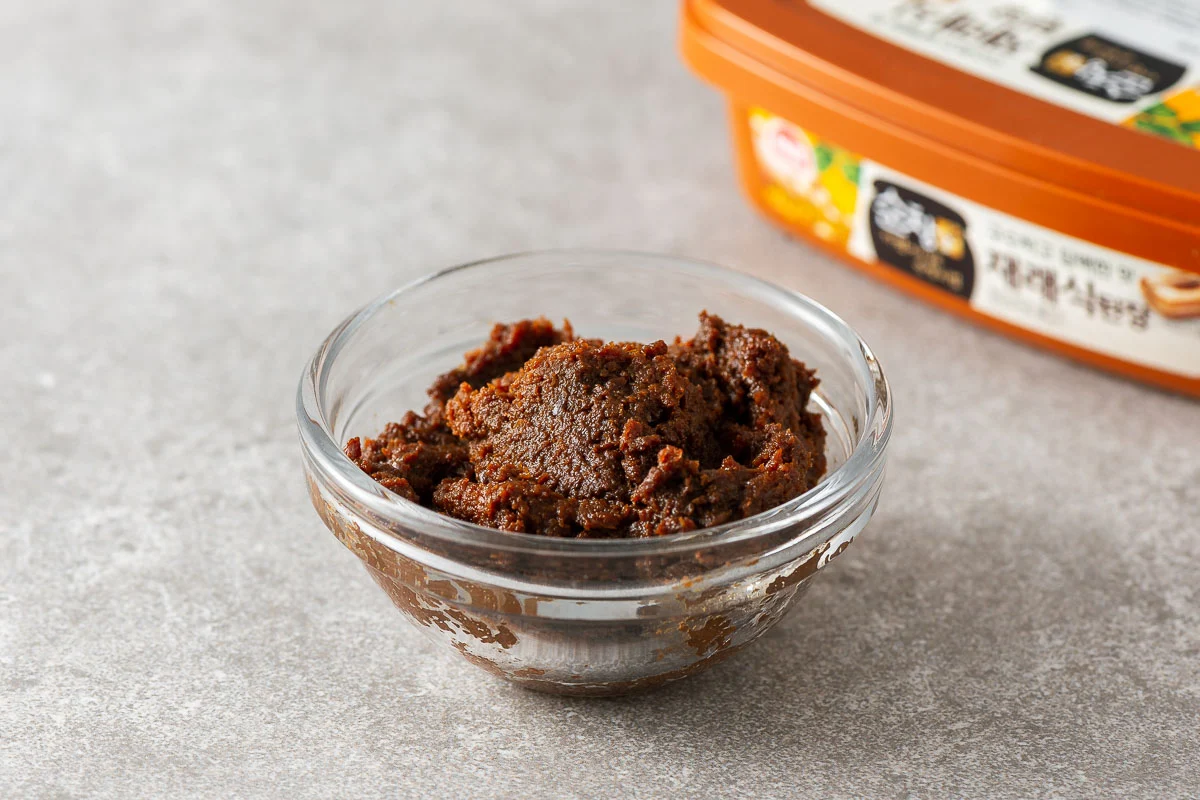
Fermented soy foods have long been central to traditional Asian diets, yet their role in modern nutrition is often misunderstood. Two of the most widely consumed forms, Doenjang and Miso, are frequently grouped together due to their shared base ingredient. However, despite both being made from soybeans, their fermentation processes, microbial composition, and nutritional profiles differ in ways that meaningfully impact health.
As interest in gut health, metabolic resilience, and whole food nutrition grows, understanding how these fermented foods function in the body becomes more important. The question is not simply which one is healthier, but how each interacts with digestion, microbiota, and long term health outcomes.

What Fermentation Actually Does to Soy
Soybeans are naturally rich in protein, fiber, and bioactive compounds such as isoflavones. However, they also contain antinutrients like phytic acid, which can reduce mineral absorption. Fermentation transforms soy from a dense plant protein into a more bioavailable and functionally active food.
During fermentation, microorganisms break down complex compounds into simpler forms. This process increases amino acid availability, reduces antinutrients, and produces beneficial metabolites such as peptides and organic acids. It also introduces live or bioactive microbial compounds that can influence gut health.
Both doenjang and miso undergo fermentation, but the duration and microbial diversity differ significantly. These differences shape how each food interacts with the body.
Doenjang: A Longer, More Diverse Fermentation
Doenjang is traditionally fermented for months to years using naturally occurring microbes. This extended fermentation results in a highly complex microbial ecosystem, including various strains of Bacillus and lactic acid bacteria. The process produces a rich array of bioactive compounds, including peptides with potential antioxidant and anti inflammatory effects.
Research suggests that traditional doenjang may support gut microbiota diversity and improve metabolic markers such as blood lipid profiles (Shin et al., 2019). Its longer fermentation also leads to deeper protein breakdown, increasing the availability of amino acids and potentially enhancing digestibility.
Another key characteristic is its relatively low carbohydrate content and strong umami profile, which can enhance satiety and reduce the need for added fats or sugars in meals. However, its sodium content can be high, which may be a concern for individuals with hypertension if consumed in excess.
Miso: Controlled Fermentation and Functional Simplicity
Miso is typically fermented for a shorter period, ranging from a few weeks to several months, using a starter culture known as koji, which contains the fungus Aspergillus oryzae. This controlled fermentation produces a more consistent product with a milder flavor and smoother texture.
Miso retains many of the benefits of fermented soy, including improved protein digestibility and the presence of bioactive compounds. It has also been associated with potential cardiovascular benefits and reduced risk of certain chronic diseases when consumed as part of a balanced diet (Nagata et al., 2006).
However, because miso fermentation is often shorter and more standardized, it may contain less microbial diversity compared to traditional doenjang. This does not make it inferior, but it suggests that its benefits may be more focused on nutrient availability rather than broad microbiome modulation.
Gut Health and Microbial Impact
One of the key reasons fermented foods are valued is their effect on gut health. The gut microbiome plays a central role in digestion, immune function, and even metabolic regulation. Fermented foods can influence this ecosystem by introducing beneficial microbes or by providing compounds that support microbial growth.
Doenjang, due to its longer and less controlled fermentation, tends to contain a wider range of microbial metabolites. These compounds can act as signaling molecules that influence inflammation, gut barrier function, and metabolic pathways.
Miso, while still beneficial, may function more as a source of pre digested nutrients and bioactive compounds rather than a diverse microbial input. It is also important to note that many commercial miso products are pasteurized, which reduces live microbial content while preserving flavor and nutrients.
Both foods contribute to gut health, but through slightly different mechanisms. One emphasizes microbial diversity, the other emphasizes consistency and digestibility.

Sodium, Portion Size, and Context
A common concern with both doenjang and miso is sodium content. Fermentation relies on salt to control microbial growth, resulting in products that can be high in sodium. However, the health impact depends heavily on context.
When consumed in traditional diets rich in vegetables, fiber, and potassium, fermented soy products do not appear to increase cardiovascular risk and may even provide protective effects (Nagata et al., 2006). The problem arises when they are added to already high sodium, highly processed diets.
Portion size also matters. These pastes are typically used as flavoring agents rather than primary food sources. Small amounts can deliver significant flavor and nutritional benefits without excessive sodium intake.
A Smarter Way to Choose Between Doenjang and Miso
Choosing between doenjang and miso depends on individual goals and preferences rather than a strict hierarchy of health benefits. Doenjang may be more beneficial for those seeking greater microbial diversity and deeper fermentation derived compounds. Miso may be more suitable for those who prefer a milder taste and more consistent nutritional profile.
Quality is critical for both. Traditional or minimally processed versions tend to retain more beneficial compounds compared to highly industrialized products. Looking for options with simple ingredient lists and longer fermentation times can improve the nutritional value.
Incorporating both into the diet can also provide complementary benefits. Rotating fermented foods introduces a wider range of bioactive compounds and supports a more resilient gut ecosystem.
The Takeaway
Doenjang and miso are both nutritionally valuable fermented soy foods, but they offer different advantages. Doenjang provides greater microbial diversity and deeper fermentation benefits, while miso offers consistency, digestibility, and ease of use.
Rather than choosing one over the other, a more effective approach is to understand how each fits into a broader dietary pattern. When consumed in moderation and within a nutrient dense diet, both can support gut health, metabolic function, and overall wellbeing.
The key is to focus on quality, context, and variety. Fermented foods are most beneficial when they complement whole food nutrition rather than act as isolated health solutions.
References
Nagata, C., Wada, K., Tamura, T., Konishi, K., Goto, Y., and Koda, S. (2006) ‘Dietary soy and fermented soy intake and cardiovascular disease risk’, Journal of Nutrition, 136(10):2551 to 2556. https://doi.org/10.1093/jn/136.10.2551
Shin, D., Jeong, D., and Kim, Y. (2019) ‘Health benefits of traditional Korean fermented soybean paste’, Journal of Medicinal Food, 22(7):1 to 10. https://doi.org/10.1089/jmf.2018.4327
Tamang, J. P., Shin, D. H., Jung, S. J., and Chae, S. W. (2016) ‘Functional properties of microorganisms in fermented foods’, Frontiers in Microbiology, 7:578. https://doi.org/10.3389/fmicb.2016.00578
Messina, M. (2016) ‘Soy and health update: evaluation of the clinical and epidemiologic literature’, Nutrients, 8(12):754. https://doi.org/10.3390/nu8120754