Socials


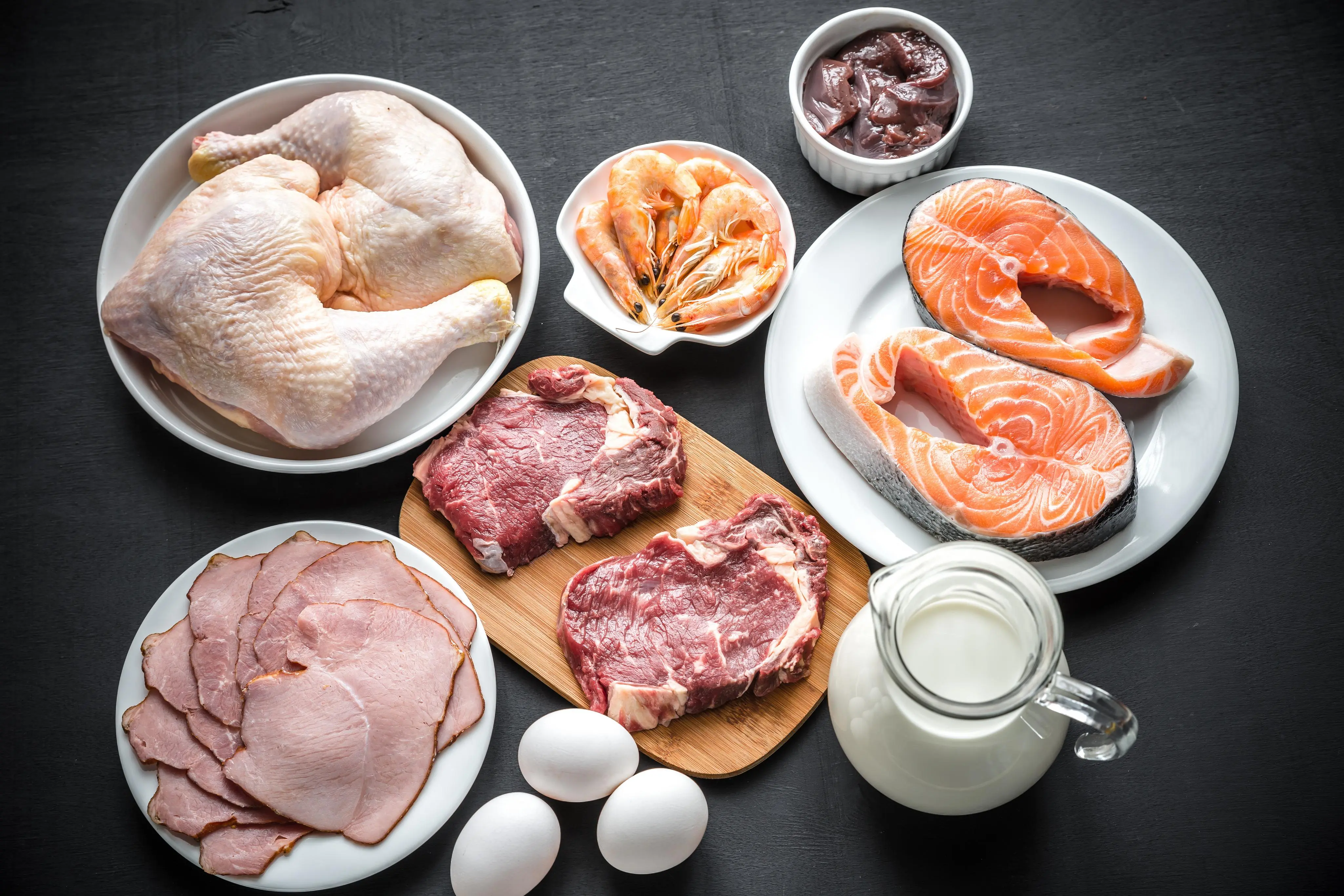
Modern diets often emphasize lean muscle meats such as chicken breast, steak, and protein powders. These foods are rich in methionine and other essential amino acids, yet relatively low in glycine. Historically, humans consumed more nose to tail cuts including skin, cartilage, tendons, and bone broth. These parts are significantly higher in glycine, an amino acid that plays structural and regulatory roles across multiple body systems.
This shift in eating patterns may have subtle consequences. While the body can synthesize glycine, endogenous production may not always meet physiological demands, particularly during growth, injury recovery, intense training, or aging (Meléndez Hevia et al., 2009). Understanding glycine as more than just a building block of protein reframes how we think about sleep quality, joint resilience, and gut integrity.

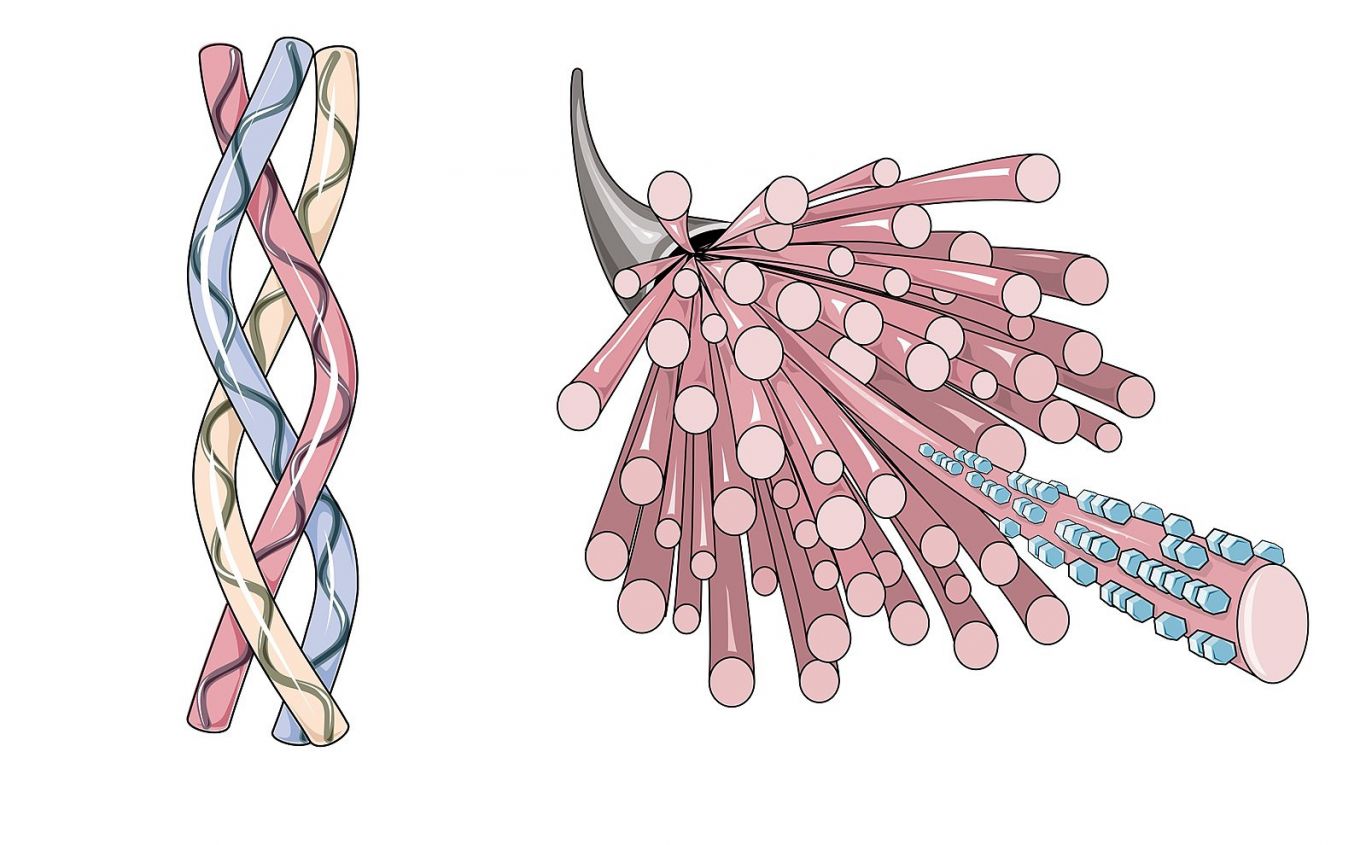
Glycine functions both as a structural amino acid and as a signaling molecule. Roughly one third of collagen is composed of glycine, making it fundamental to connective tissue strength (Shoulders and Raines, 2009). Collagen forms the scaffold of tendons, ligaments, cartilage, skin, and the intestinal lining. Without adequate glycine availability, collagen synthesis may be suboptimal.
Beyond structural roles, glycine acts as an inhibitory neurotransmitter in the central nervous system. It contributes to calming neural activity and has been shown to improve subjective sleep quality and reduce daytime sleepiness when consumed before bedtime (Yamadera et al., 2007). One proposed mechanism involves glycine induced reductions in core body temperature, a critical step in sleep initiation.
Glycine is also a precursor for glutathione, one of the body’s most important intracellular antioxidants. Glutathione neutralizes reactive oxygen species and supports cellular detoxification processes. Low glycine availability may limit glutathione synthesis under certain metabolic conditions (Meléndez Hevia et al., 2009).
Sleep is not just about duration. It is about depth, thermoregulation, and nervous system transitions. Glycine appears to influence these processes through both central and peripheral pathways.
In controlled trials, pre sleep glycine ingestion improved subjective sleep quality and reduced fatigue the following day (Yamadera et al., 2007). Participants reported feeling more refreshed despite no dramatic change in total sleep time. This suggests glycine may enhance sleep efficiency or sleep architecture rather than simply extending hours in bed.
Mechanistically, glycine receptors in the brainstem and spinal cord modulate inhibitory signaling. By enhancing inhibitory tone, glycine may support the shift from sympathetic activation toward parasympathetic dominance, which is necessary for restorative sleep.
For individuals under chronic stress or high cognitive load, this shift can be significant. Nervous system overactivation often manifests as difficulty falling asleep, restless sleep, or non restorative mornings. Ensuring adequate glycine intake may be one nutritional lever to support that transition.
Connective tissues endure constant micro stress from movement, resistance training, and daily mechanical load. Collagen turnover is continuous. Tendons and ligaments rely on a steady supply of amino acids, particularly glycine, proline, and hydroxyproline, to maintain tensile strength (Shoulders and Raines, 2009).
When dietary intake emphasizes only lean muscle meat, the amino acid profile skews toward methionine. Some researchers have proposed that balancing methionine with glycine rich sources may better reflect evolutionary dietary patterns and potentially support connective tissue health (Meléndez Hevia et al., 2009).
While glycine alone does not guarantee joint repair, it provides substrate for collagen synthesis. Adequate vitamin C intake is also required for proper collagen cross linking, reinforcing the idea that nutrients function in networks rather than isolation.
The intestinal lining is another collagen rich structure. It acts as a selective barrier, allowing nutrient absorption while limiting translocation of pathogens and toxins. Collagen contributes to the extracellular matrix that supports epithelial integrity.
Experimental models suggest glycine may have protective effects on intestinal tissue under stress conditions, potentially by modulating inflammatory pathways and oxidative stress (Wang et al., 2013). While human data are still developing, the mechanistic rationale is consistent with glycine’s role in collagen production and antioxidant synthesis.
A resilient gut barrier is foundational for systemic health. When barrier function weakens, low grade inflammation and immune activation may increase. Supporting structural proteins through adequate amino acid availability is one piece of the broader gut health puzzle.
Instead of defaulting to isolated supplementation, consider food based strategies that rebalance amino acid profiles.
Include skin and bone in cuts of meat when appropriate. Chicken thighs with skin, slow cooked shanks, oxtail, and pork skin provide higher glycine content than trimmed fillets.
Incorporate bone broth periodically. Slow simmering bones and connective tissue extracts gelatin, which is rich in glycine. This can be consumed as a beverage or used as a base for soups and stews.
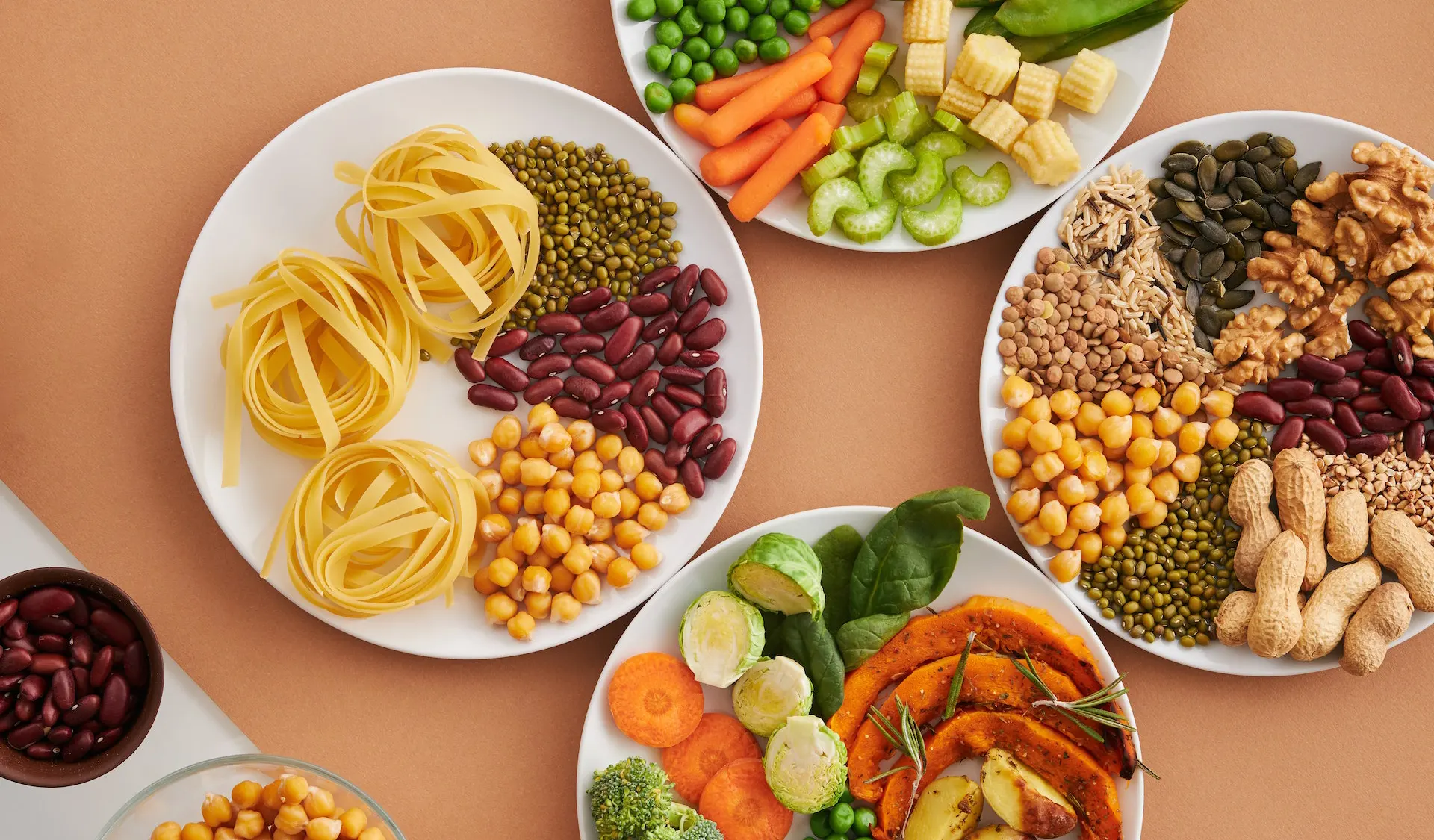
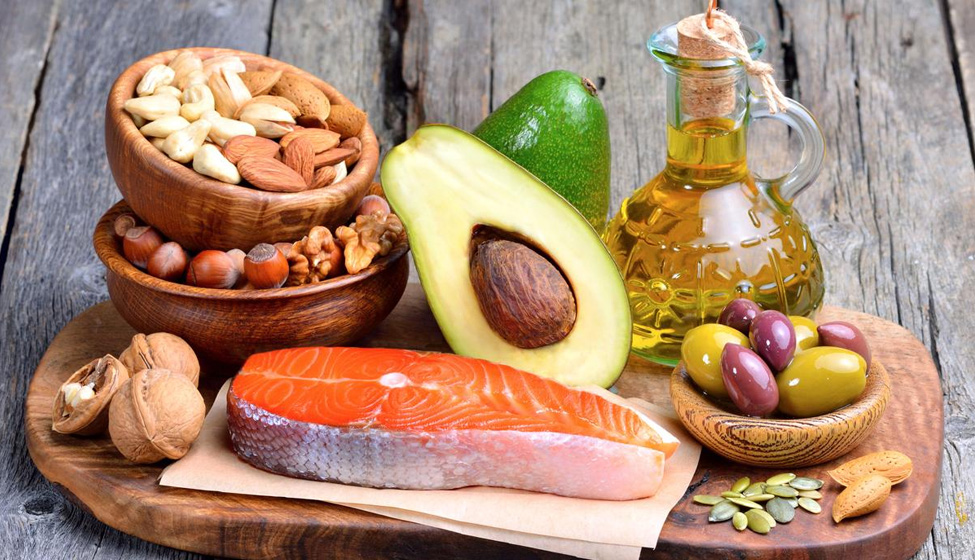
Rotate protein sources. Fish with skin, collagen rich cuts, and plant sources such as legumes contribute diversity, though animal connective tissue remains the most concentrated glycine source.
Pair collagen rich foods with vitamin C containing produce such as citrus, kiwi, or capsicum to support collagen synthesis pathways.
Glycine is not a magic bullet. Sleep quality depends on circadian rhythm alignment, light exposure, stress management, and overall diet. Joint health depends on mechanical loading, mobility work, and adequate total protein intake. Gut integrity depends on fiber diversity, microbiome balance, and inflammatory load.
Viewing glycine as one supportive input within a larger system prevents oversimplification. Its value lies in correcting an imbalance created by highly trimmed modern protein patterns, not in replacing foundational habits.
Glycine rich foods reconnect modern eating with ancestral nutrient distribution. By restoring connective tissue derived amino acids to the plate, you provide substrate for collagen production, support inhibitory neurotransmission linked to sleep, and contribute to antioxidant defenses through glutathione synthesis.
You do not need to overhaul your diet. You need to diversify it. Replace some lean only meals with bone in or slow cooked options. Add broth strategically. Think in terms of amino acid balance rather than protein quantity alone.
When sleep improves, joints feel more resilient, and digestion steadies, it is rarely due to one nutrient acting alone. It is the result of restoring structural inputs that the body has always relied on. Glycine is one of those inputs, quiet but foundational.
References
Meléndez Hevia, E., de Paz Luengo, P., Cornish Bowden, A., and Cárdenas, M. L. (2009). A weak link in metabolism: The metabolic capacity for glycine biosynthesis does not satisfy the need for collagen synthesis. Journal of Biosciences, 34(6), 853 to 872.
Shoulders, M. D., and Raines, R. T. (2009). Collagen structure and stability. Annual Review of Biochemistry, 78, 929 to 958.
Wang, W., Wu, Z., Dai, Z., Yang, Y., Wang, J., and Wu, G. (2013). Glycine metabolism in animals and humans: Implications for nutrition and health. Amino Acids, 45(3), 463 to 477.
Yamadera, W., Inagawa, K., Chiba, S., Bannai, M., Takahashi, M., and Nakayama, K. (2007). Glycine ingestion improves subjective sleep quality in human volunteers, correlating with polysomnographic changes. Sleep and Biological Rhythms, 5(2), 126 to 131.