Socials



Protein has become the hero macronutrient of the fat loss world. Supermarket shelves are filled with products labeled high protein, from yogurts to snack bars to desserts. Yet despite higher reported protein intake, many people still struggle with persistent hunger, muscle loss during dieting, and metabolic plateaus. The issue is often not total protein intake, but protein quality and how effectively the body can use what is consumed. Sustainable fat loss depends on preserving lean tissue, regulating appetite, and maintaining metabolic rate. Protein supports all three, but only when its amino acid profile, digestibility, and distribution align with physiological needs.
Protein is not just a calorie source. It is a structural and regulatory input that supports muscle tissue, connective tissue, enzymes, neurotransmitters, and immune molecules. During fat loss, its role becomes even more critical. Higher protein intake increases satiety by stimulating hormones such as peptide YY and GLP 1, which help reduce overall energy intake (Leidy et al., 2015). It also helps preserve lean mass during caloric restriction, protecting resting metabolic rate and long term metabolic health (Phillips and Van Loon, 2011). In addition, protein has a higher thermic effect of food compared to carbohydrates and fats, meaning more energy is required for its digestion and metabolism (Westerterp, 2004). However, these benefits depend not just on grams consumed, but on whether the protein provides sufficient essential amino acids, especially leucine, which acts as a key trigger for muscle protein synthesis.
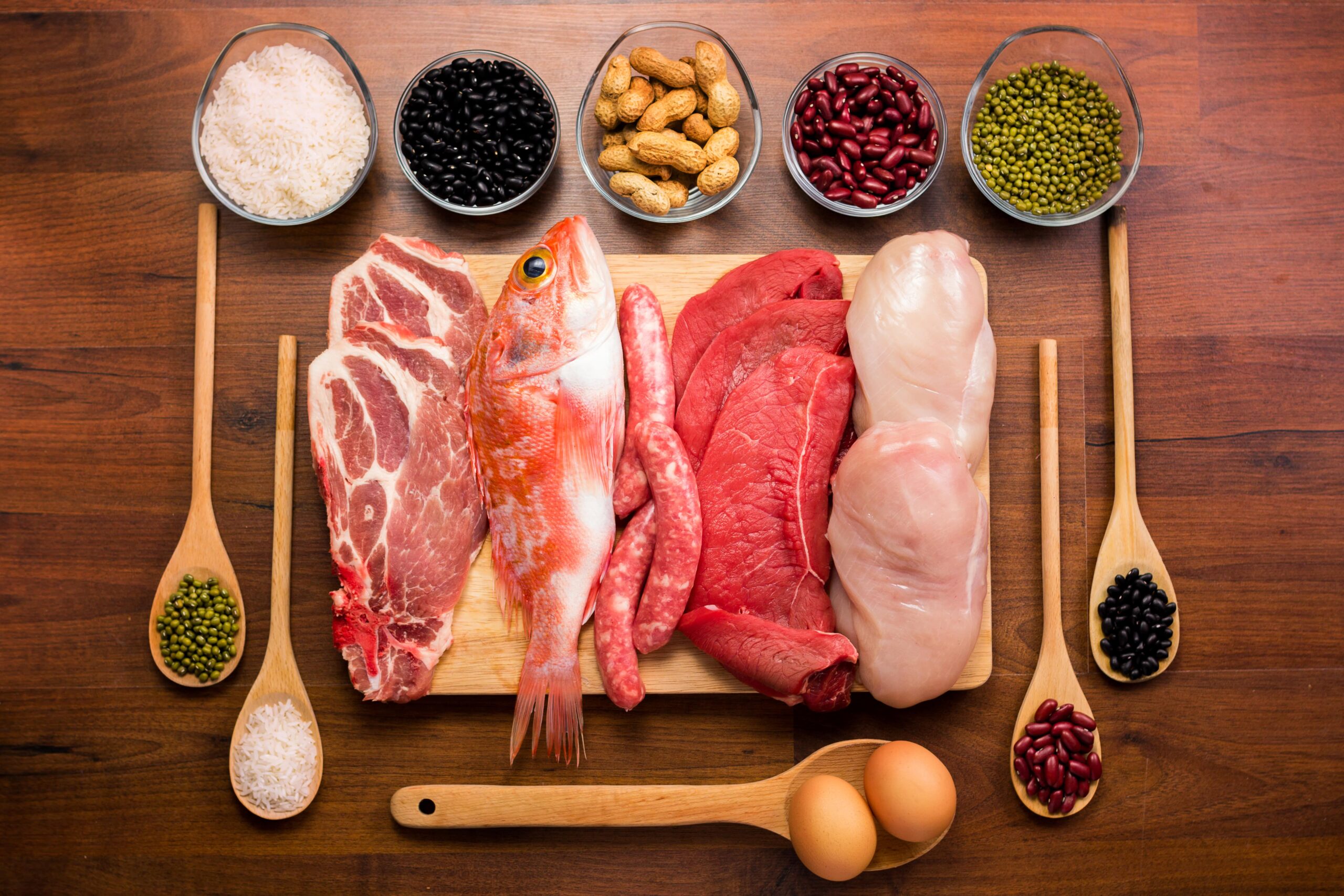
Two foods can each contain 20 grams of protein yet produce very different biological effects. Protein quality refers to how well a source provides all essential amino acids in the proportions required by the human body, and how digestible that protein is. Animal based proteins such as eggs, dairy, fish, and lean meats typically contain complete amino acid profiles and are highly bioavailable. Many plant proteins are lower in one or more essential amino acids and may have reduced digestibility. Scoring systems such as PDCAAS and DIAAS attempt to quantify this by evaluating amino acid composition and absorption. Of particular importance is leucine. Research indicates that approximately 2 to 3 grams of leucine per meal are required to maximally stimulate muscle protein synthesis in adults (Phillips and Van Loon, 2011). Lower quality proteins may fail to reach this threshold even when total protein appears adequate, increasing the risk of lean mass loss during dieting.
Modern high protein products often rely on isolates, incomplete plant blends, or collagen. Collagen, for example, is beneficial for connective tissue but lacks tryptophan and is low in leucine, making it suboptimal for muscle preservation when used alone. Many protein snacks also combine moderate protein content with refined starches, added sugars, and industrial seed oils, which can blunt metabolic benefits. Another overlooked factor is distribution. Consuming most daily protein at dinner may not optimize muscle protein synthesis across the day. More evenly distributed intake across meals has been shown to enhance 24 hour muscle protein synthesis compared to skewed patterns (Mamerow et al., 2014). Therefore, total daily grams tell only part of the story. Source, amino acid profile, digestibility, and timing all influence metabolic outcomes.
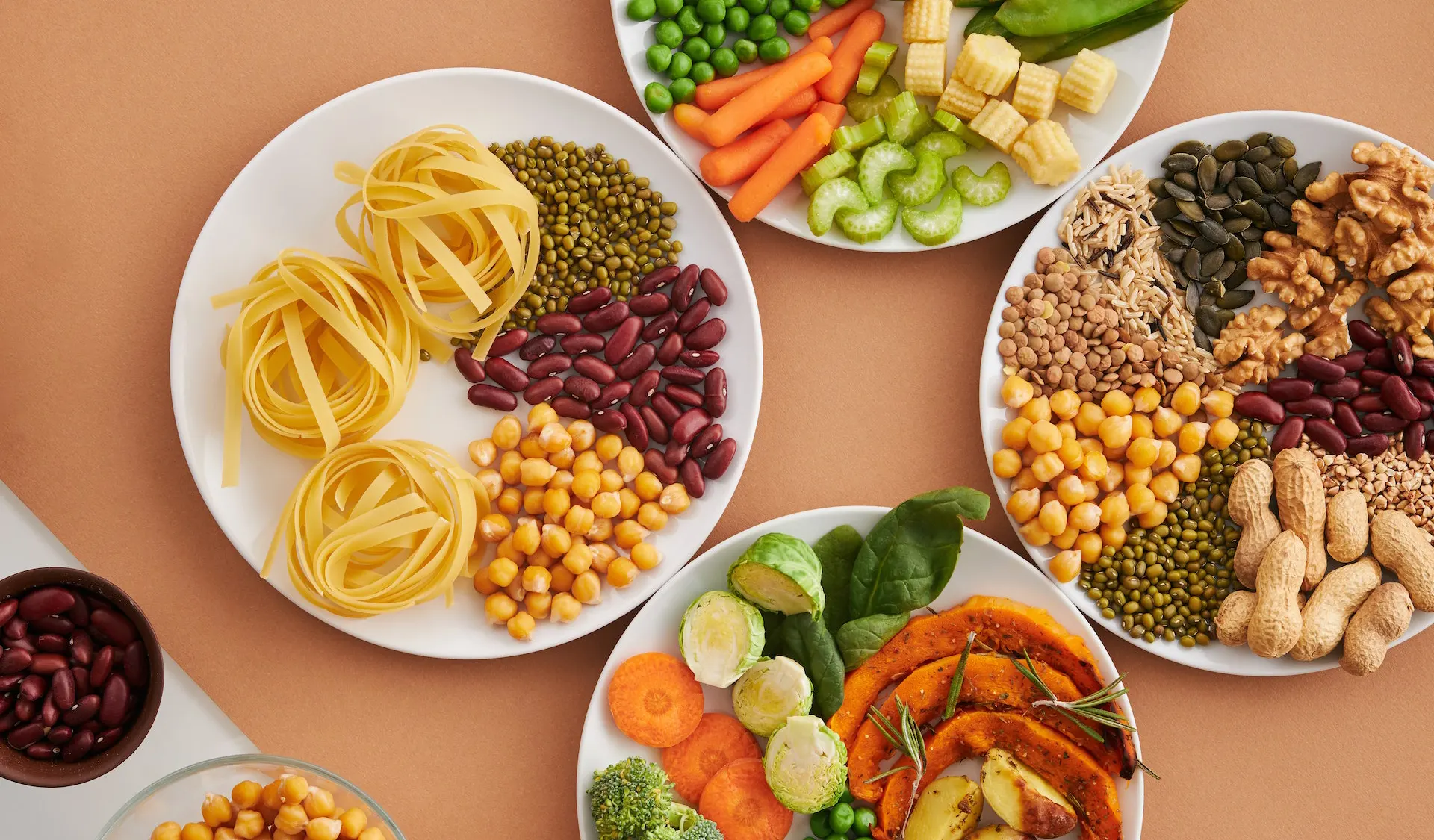
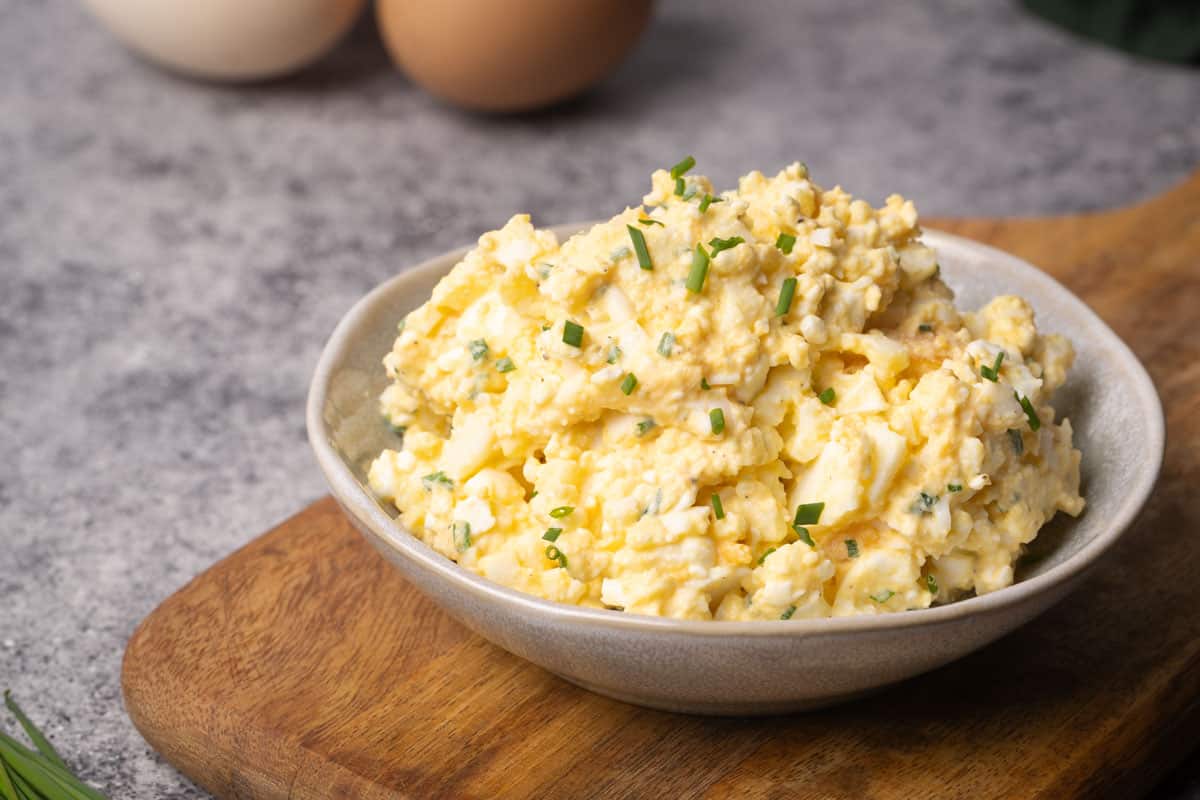
Instead of focusing solely on the protein number on a label, consider whether the source contains all essential amino acids in sufficient amounts, whether it likely reaches the leucine threshold per serving, and whether it comes within a minimally processed food matrix. Whole food proteins such as Greek yogurt, eggs, cottage cheese, tofu, tempeh, lentils paired with grains, and lean meats tend to provide stronger anabolic signals than ultra processed bars or desserts. For plant based patterns, combining complementary proteins can improve amino acid balance. Soy is one of the more complete plant options due to its favorable amino acid profile. Pairing quality protein with resistance training further enhances muscle retention and supports healthier body composition changes (Phillips and Van Loon, 2011).
From a systems biology perspective, protein intake signals resource availability. Adequate high quality protein communicates that the body can maintain and repair lean tissue even during energy restriction. When protein quality or intake is insufficient, the body may increase hunger signals, reduce spontaneous movement, and lower metabolic rate as protective adaptations. Sustainable fat loss requires minimizing these responses. By prioritizing complete, digestible protein sources and distributing them evenly across meals, you support muscle preservation, satiety, and metabolic stability rather than triggering compensatory slowdowns.
Sustainable fat loss is not achieved by calorie reduction alone. It depends on maintaining lean mass, regulating appetite, and preserving metabolic resilience. Protein quality is central to each of these processes. Shift attention from marketing claims to amino acid completeness, leucine sufficiency, digestibility, and overall food integrity. When protein is treated as a biological signal rather than a number, fat loss becomes more stable, muscle is better protected, and long term results become more achievable.
Leidy, H. J., Clifton, P. M., Astrup, A., Wycherley, T. P., Westerterp Plantenga, M. S., Luscombe Marsh, N. D., Woods, S. C., Mattes, R. D., and Westerterp, K. R. (2015) ‘The role of protein in weight loss and maintenance’, The American Journal of Clinical Nutrition, 101(6):1320S to 1329S. https://doi.org/10.3945/ajcn.114.084038
Mamerow, M. M., Mettler, J. A., English, K. L., Casperson, S. L., Arentson Lantz, E., Sheffield Moore, M., Layman, D. K., and Paddon Jones, D. (2014) ‘Dietary protein distribution positively influences 24 h muscle protein synthesis in healthy adults’, The Journal of Nutrition, 144(6):876 to 880. https://doi.org/10.3945/jn.113.185280
Phillips, S. M., and Van Loon, L. J. C. (2011) ‘Dietary protein for athletes: from requirements to optimum adaptation’, Journal of Sports Sciences, 29(S1):S29 to S38. https://doi.org/10.1080/02640414.2011.619204
Westerterp, K. R. (2004) ‘Diet induced thermogenesis’, Nutrition and Metabolism, 1(1):5. https://doi.org/10.1186/1743-7075-1-5