Socials


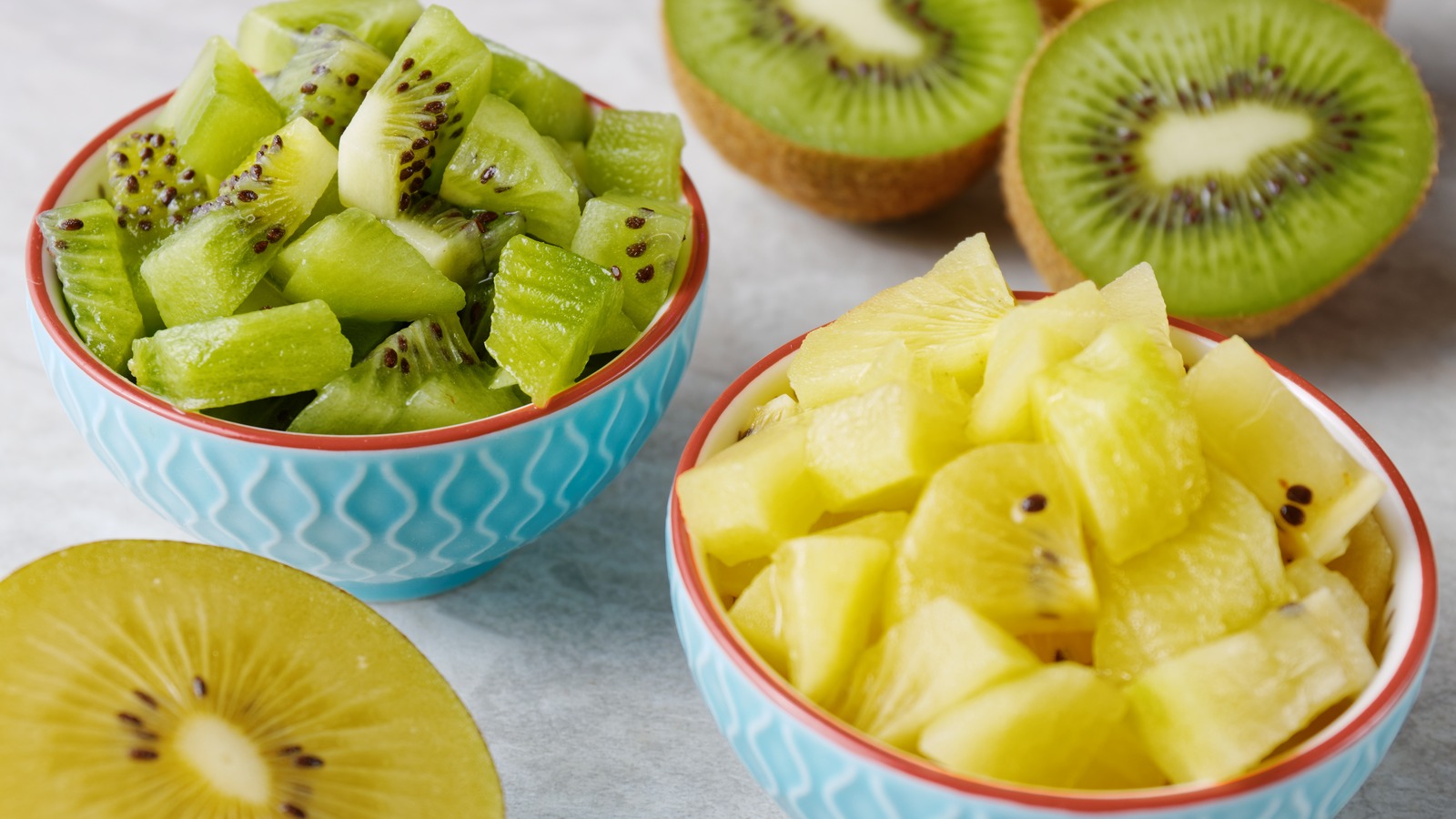
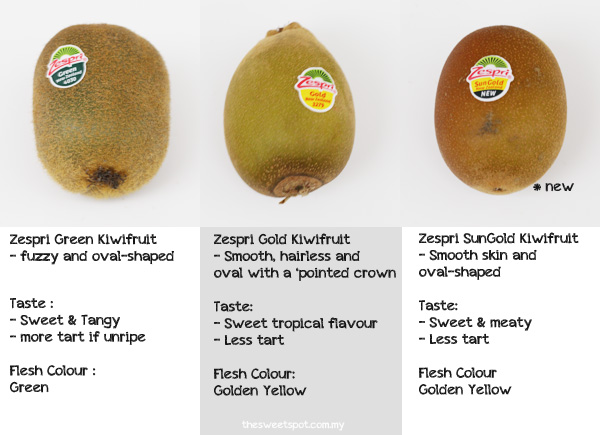
Kiwi looks like one simple fruit, yet the green and yellow varieties influence digestion, immunity, and even evening energy very differently. Green kiwi offers more fiber and actinidin, an enzyme that supports protein breakdown. Yellow kiwi tastes sweeter and softer and delivers higher vitamin C, which can support both immunity and relaxation at night. Most people pick whichever looks fresh or affordable, but understanding the differences can help you choose the fruit that supports your daily needs.
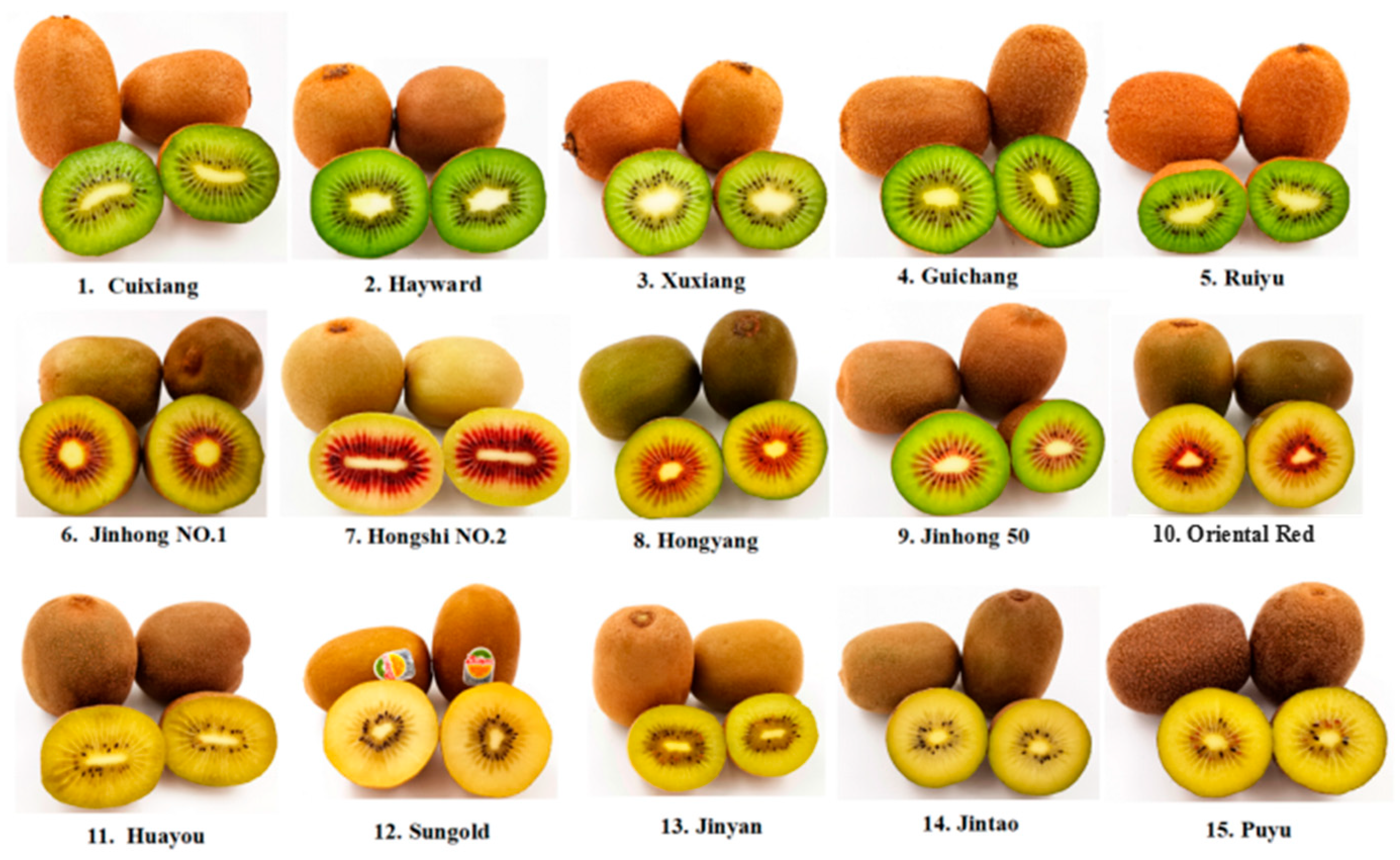
Your gut responds to fiber type and enzyme content. Green kiwi introduces more fiber and more digestive enzymes, which increases satiety and supports smoother breakdown of complex meals. Some studies show that green kiwi can improve bowel regularity and ease discomfort associated with slower gut transit (Stonehouse et al. 2013).
Yellow kiwi behaves differently. With less fiber and a gentler texture, it tends to suit sensitive stomachs. Its higher vitamin C content can improve immune support and may play a role in evening relaxation, a pattern reported in nutrition research on antioxidant rich fruits (Meyers et al. 2014).
Texture also influences habit formation. Yellow kiwi is softer and sweeter, making it easier for many people to eat consistently. Green kiwi is firmer and tangier. The variety you enjoy most is the one you are likely to stick with, and consistency often matters more than perfection.
If digestion is your main concern, green kiwi is the stronger choice. Fiber plus actinidin helps with heavy meals and supports gut motility.
If immunity or evening wind down is your priority, yellow kiwi offers more vitamin C and a gentler texture that suits nighttime eating.
If taste and texture decide whether you will eat fruit regularly, choose the variety that feels natural to include each day.
Green kiwi contains actinidin, a proteolytic enzyme that aids protein digestion and reduces the heaviness that often follows large meals. The higher fiber content increases stool bulk and supports gut movement. These effects contribute to a healthier digestive rhythm.
Yellow kiwi produces its benefits through vitamin C concentration. Vitamin C supports immune cell function and antioxidant balance. Some evidence suggests that higher vitamin C intake in the evening may influence relaxation by supporting neurotransmitter pathways linked with stress reduction (Brody et al. 2002). Although not a sleep supplement, yellow kiwi can integrate easily into an evening routine.
Pick one aim such as smoother digestion or stronger immunity.
Eat one kiwi each day for a week in the variety that fits your goal.
Track changes in digestion, energy, or evening comfort.
Switch to the other variety for a second week and compare.
Choose the one that gives the most consistent benefit with minimal effort.
Select kiwi that yields slightly when pressed.
For yellow kiwi, look for a light gold color and soft texture.
For green kiwi, choose evenly firm fruit.
Too hard indicates underripe fruit. Too soft means overripe.
Pair green kiwi with protein rich meals to support digestion.
Enjoy yellow kiwi in the evening as part of a calm routine.
Eating kiwi that is underripe. This reduces sweetness and digestive comfort.
Relying exclusively on fiber from green kiwi without enough hydration.
Expecting immediate sleep effects. Kiwi supports relaxation through nutrition, not sedation.
Skipping fruit entirely because of taste. Variety choice solves this.
Green and yellow kiwi both support health, yet their effects differ in meaningful ways. Green kiwi helps digestion through higher fiber and actinidin. Yellow kiwi boosts immunity and may support nighttime relaxation thanks to its vitamin C content and softer texture. The best kiwi is the one that fits your goals and the one you will eat often.
Stonehouse W, Gammon CS, Beck KL et al. 2013 Kiwifruit consumption supports bowel function in healthy individuals. Asia Pacific Journal of Clinical Nutrition 22(4):535 to 542.
Meyers KJ, Mares JA, Voland RP et al. 2014 Antioxidant intake and its association with sleep quality in adults. Journal of Nutrition 144(6):887 to 895. https://doi.org/10.3945/jn.113.187187
Brody S, Preut R, Schommer K and Schürmeyer TH 2002 Vitamin C and mood. Psychological Reports 91(3): 755 to 760.