Socials


Kombucha has surged in popularity as a trendy fermented beverage praised for its potential health benefits. This fizzy, slightly tangy drink is made by fermenting sweetened tea with a symbiotic culture of bacteria and yeast, commonly known as a SCOBY. Many people turn to kombucha hoping to support digestion, boost immunity, and enjoy a natural alternative to sugary sodas. However, not all kombucha products are created equal. Choosing a kombucha that is truly good for your body requires understanding the fermentation process, ingredient quality, sugar content, and microbial composition.
While kombucha offers a source of probiotics and organic acids that may support gut health, selecting the right product ensures you avoid excess sugars, artificial additives, and unbalanced microbial content. This blog will guide you through the key factors to consider so you can enjoy kombucha safely and effectively as part of a health-conscious lifestyle.
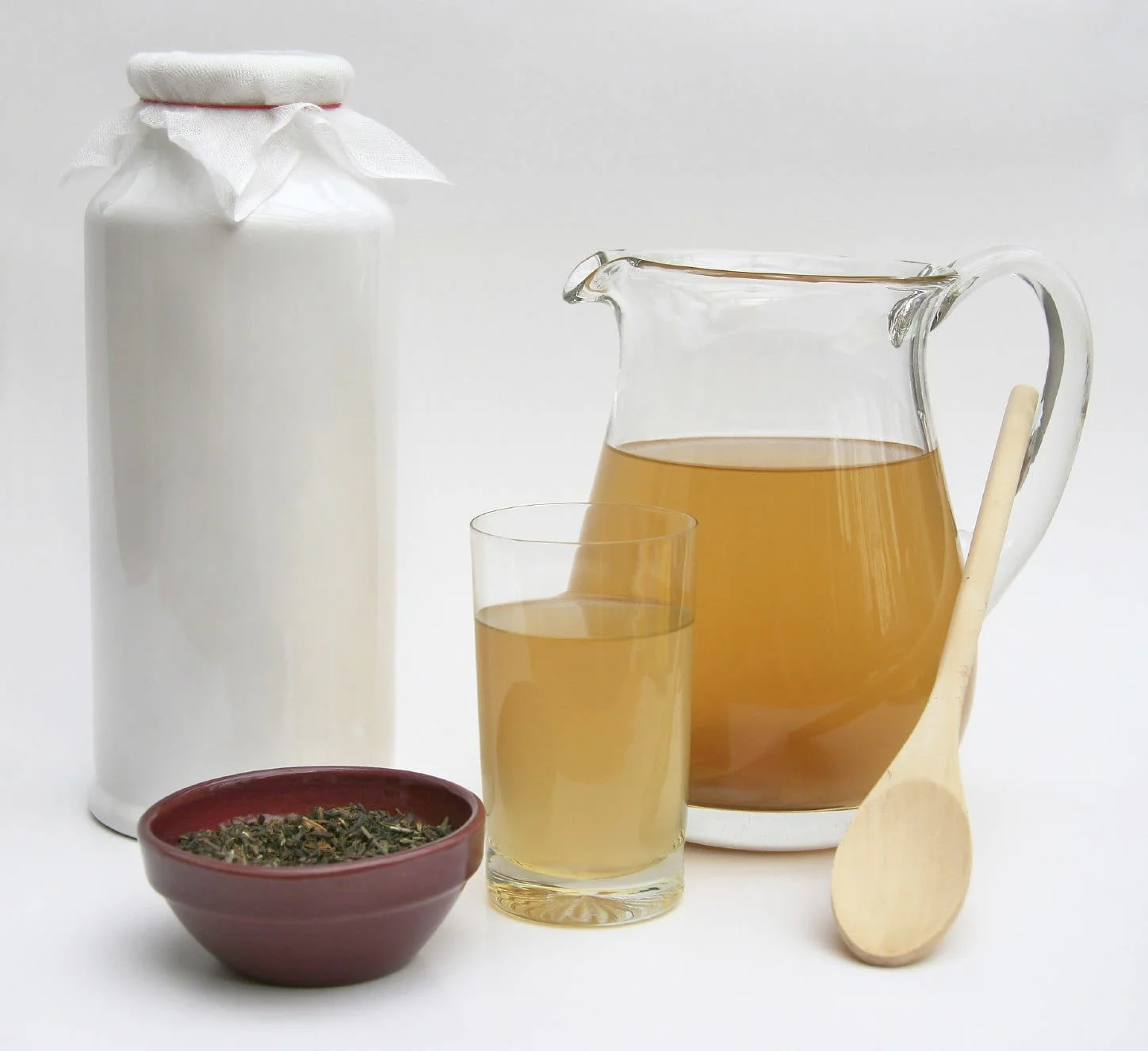
Kombucha is a fermented tea beverage created through the metabolic activity of a SCOBY, which converts sugars into organic acids, carbon dioxide, and trace amounts of alcohol. This fermentation produces a lightly effervescent drink with a complex flavor profile ranging from sweet to sour.
Because kombucha contains live cultures, it is classified as a probiotic food. Probiotics are beneficial microorganisms that may help balance the gut microbiota, support digestive health, and modulate immune responses (Hill et al., 2014). However, the probiotic content of commercial kombucha can vary widely depending on production methods and storage conditions.
It is important to note that kombucha fermentation naturally produces small amounts of alcohol, typically under 0.5% ABV in commercial products, making it non-alcoholic by legal standards. However, homebrewed or improperly stored kombucha may have higher alcohol levels. Those sensitive to alcohol or avoiding it should verify product labels carefully.
One of the most important considerations when choosing kombucha is sugar content. Sugar serves as the fuel for fermentation, but not all sugar is fully converted by the SCOBY. Many commercially available kombucha brands contain added sugars or stop fermentation early to retain sweetness, resulting in higher residual sugar.
Excess sugar intake is associated with a range of health concerns, including increased risk of obesity, type 2 diabetes, and cardiovascular disease (Malik et al., 2010). Choosing a kombucha with lower sugar content helps you enjoy its probiotic benefits without unnecessary added calories or negative metabolic effects.
Look for kombucha with less than 6 grams of sugar per 8-ounce serving. Some brands offer unsweetened or lightly sweetened versions, which tend to be more fermented and tangy. Checking nutrition labels and ingredient lists is essential to avoid kombucha with hidden sugars or artificial sweeteners.
The presence of live probiotics is one of kombucha’s main selling points. To receive these benefits, the product must contain live and active cultures at the time of consumption.
Commercial kombucha is often pasteurized or filtered to extend shelf life, which can kill beneficial bacteria and yeast. Look for labels that explicitly state “raw,” “unpasteurized,” or “contains live cultures” to ensure you are buying a product rich in probiotics (Kolling et al., 2019).
Additionally, refrigeration helps preserve live cultures. Kombucha stored at room temperature for extended periods may have reduced microbial viability. Always store kombucha in the refrigerator and consume it before the expiration date for maximum probiotic benefit.

Kombucha is ideally made from simple ingredients: tea, sugar, water, and SCOBY. However, many commercial brands add fruit juices, herbs, spices, and natural flavors to enhance taste.
When selecting kombucha, choose products with recognizable, minimally processed ingredients. Avoid those containing artificial colors, flavors, or preservatives that may undermine the natural fermentation benefits.
Flavored kombucha can offer added antioxidants and phytochemicals when fruit or herbal infusions are used. Popular additions like ginger, hibiscus, and berries not only enhance flavor but may also contribute complementary health effects (Sreeramulu et al., 2000).
Although commercial kombucha typically contains less than 0.5% alcohol, some products can have higher levels, especially if they continue fermenting after packaging. This residual alcohol may be a concern for children, pregnant individuals, or those avoiding alcohol for personal or health reasons.
Reading labels and checking for certifications can help you choose kombucha appropriate for your needs. If you are brewing kombucha at home, controlling fermentation time and storage temperature is crucial to keep alcohol levels low.
Kombucha is generally safe for most people when consumed in moderation. However, individuals with certain health conditions such as compromised immune systems or histamine intolerance should approach probiotic beverages cautiously and consult healthcare professionals if needed.
Because kombucha contains live microbes and organic acids, some people may experience mild digestive changes like bloating or gas when starting regular consumption. These effects often diminish as the gut microbiota adjusts.
Starting with small servings (4 to 8 ounces per day) and gradually increasing intake can help minimize discomfort and optimize benefits.
Choosing kombucha that is good for your body requires attention to sugar content, live probiotic cultures, ingredient quality, and alcohol levels. Opt for low sugar, raw or unpasteurized products made with natural ingredients and clearly labeled live cultures. Refrigerate kombucha and consume it fresh to maximize its health benefits. While kombucha can be a flavorful and functional addition to a balanced diet, personal preferences and tolerances vary. Approaching kombucha thoughtfully ensures you enjoy its potential digestive and immune-supporting properties safely and effectively.
Hill, C., Guarner, F., Reid, G., Gibson, G. R., Merenstein, D. J., Pot, B., Morelli, L., Canani, R. B., Flint, H. J., Salminen, S., Calder, P. C., and Sanders, M. E. (2014) ‘Expert consensus document: The International Scientific Association for Probiotics and Prebiotics consensus statement on the scope and appropriate use of the term probiotic’, Nature Reviews Gastroenterology & Hepatology, 11(8):506 to 514. https://doi.org/10.1038/nrgastro.2014.66
Kolling, J., De Vries, R. J., Ter Stege, J. J., and Nauta, A. J. (2019) ‘Survival of probiotics in commercial kombucha products: Effects of pasteurization and storage’, Journal of Food Science, 84(7):1996 to 2004. https://doi.org/10.1111/1750-3841.14692
Malik, V. S., Popkin, B. M., Bray, G. A., Després, J. P., and Hu, F. B. (2010) ‘Sugar-sweetened beverages and risk of metabolic syndrome and type 2 diabetes: a meta-analysis’, Diabetes Care, 33(11):2477 to 2483. https://doi.org/10.2337/dc10-1079
Sreeramulu, G., Zhu, Y., and Knol, W. (2000) ‘Evidence of antioxidative activity of kombucha fermented tea’, Food Research International, 33(6):409 to 416. https://doi.org/10.1016/S0963-9969(00)00092-7