Socials


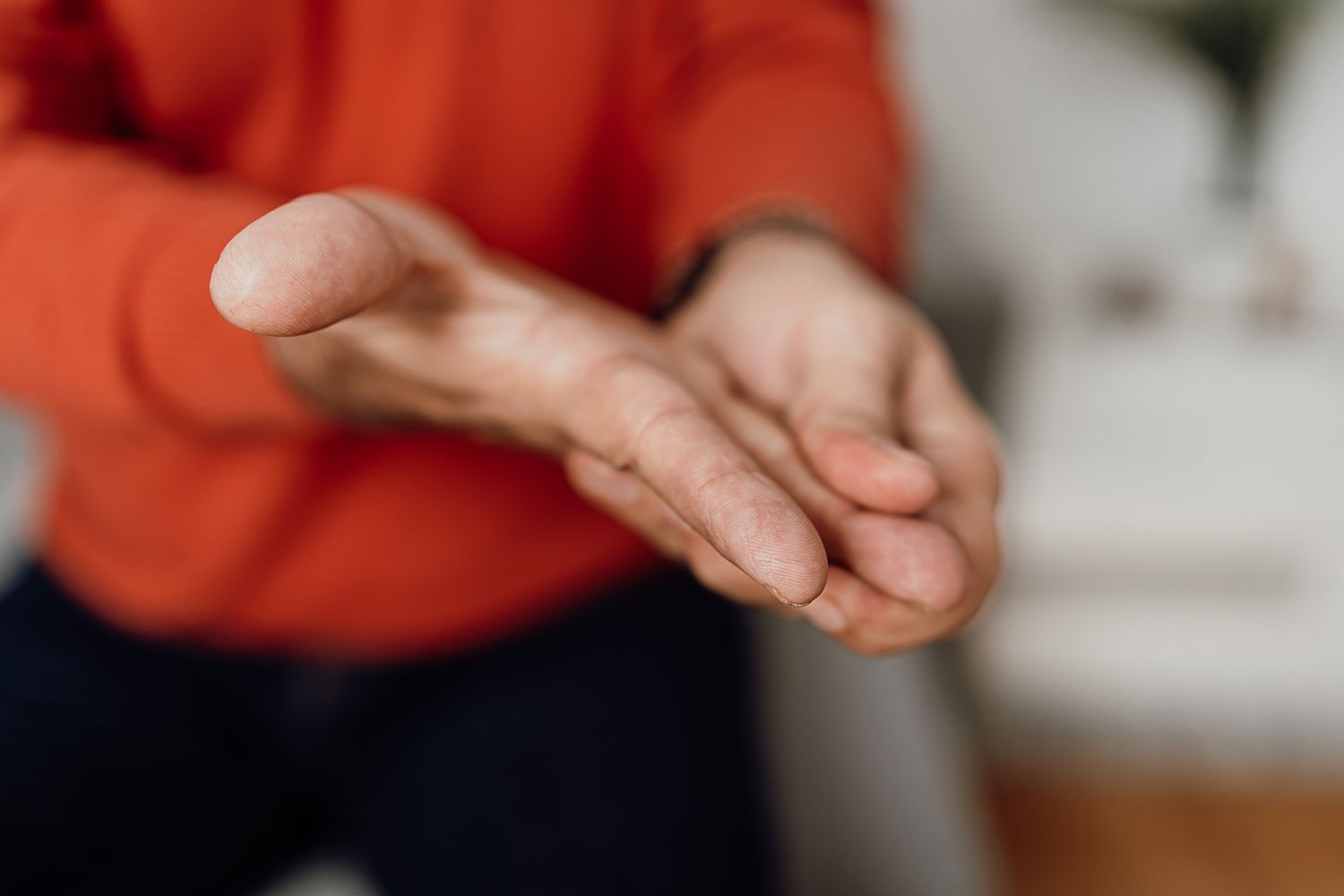
When animals face stress or fear, they shake once the threat has passed. It is not random. The movement discharges excess energy and restores balance to the nervous system. Humans have the same built-in reflex, but most of us suppress it. Gentle shaking can help the body release tension that accumulates from emotional strain, prolonged sitting, or overstimulation.
This physical reflex is called neurogenic tremoring. It activates when the brain perceives safety after a stressful event. Allowing it to happen or recreating it intentionally can support relaxation, regulate stress hormones, and reconnect the mind and body.
The goal is not performance or intensity. It is to give the body permission to complete a natural cycle that modern life often interrupts.
When you experience stress, your body releases adrenaline and cortisol. These hormones prepare you to move—fight, flee, or act. When the stressful situation ends but movement never follows, that energy remains circulating. Shaking helps discharge it safely. It sends sensory feedback to the brain that the threat is gone, shifting the nervous system from sympathetic activation (fight or flight) to parasympathetic recovery (rest and digest).
Researchers studying post-stress recovery in animals have found that spontaneous tremors restore homeostasis faster by normalizing heart rate and muscle tone (Levine 1997). Human studies have also shown that rhythmic or oscillatory movement can lower muscle tension, reduce anxiety, and improve mood regulation (Berceli and Napoli 2006).
Discharges Residual Adrenaline:
After stress, adrenaline can linger in the bloodstream for hours. Gentle shaking helps metabolize it faster, reducing jitteriness, restlessness, and fatigue.
Reactivates Body Awareness:
When under stress, attention narrows to thoughts and external threats. Tremoring brings awareness back to somatic sensation—what is happening inside your body. This grounding effect reduces rumination and helps you return to present-moment calm.
Improves Joint Lubrication:
Micro-movement enhances synovial fluid circulation, helping joints feel lighter and reducing stiffness caused by long periods of sitting or bracing.
Resets the Vagus Nerve:
The rhythmic motion can stimulate vagal tone, improving heart rate variability and promoting a state of physiological safety (Porges 2011).
You do not need special training or equipment. The method is simple and safe for most people.
After Emotional Stress:
Try shaking after an argument, intense meeting, or emotionally charged event. It helps clear the body’s stress residue so it does not accumulate.
After Physical Strain or Overwork:
Use it as an active recovery tool after workouts or long hours at a desk. The movement restores circulation and mobility.
Before Sleep or Meditation:
Shaking for a few minutes can release muscular holding patterns and quiet the nervous system, helping you settle into deeper rest.
Keep it Gentle:
This is not vigorous exercise. Subtle vibration is enough to engage the nervous system’s calming response.
Stay Present:
If emotions arise, breathe and continue softly. The movement helps process stress that the body did not have space to express earlier.
Make it Routine:
Practicing short shaking sessions once or twice daily can improve your stress resilience over time.
Overdoing it can leave you overstimulated rather than calm.
Shaking too forcefully or without awareness may feel agitating instead of relaxing.
Skipping the resting phase after shaking misses the integration period when the body registers safety.
Gentle shaking is a built-in human reflex for restoring equilibrium after stress. Allowing the body to move naturally helps release residual tension, calm the mind, and restore focus. It is one of the simplest, evidence-based ways to reset your system—anywhere, anytime, without tools or noise.
Berceli D and Napoli M 2006 A proposal for a mindfulness-based trauma prevention program for first responders. Traumatology 12(1):124–133. https://doi.org/10.1177/1534765606291688
Levine P A 1997 Waking the Tiger: Healing Trauma. North Atlantic Books, Berkeley, CA.
Porges S W 2011 The Polyvagal Theory: Neurophysiological Foundations of Emotions, Attachment, Communication, and Self-Regulation. W. W. Norton & Company, New York.
Van der Kolk B 2014 The Body Keeps the Score: Brain, Mind, and Body in the Healing of Trauma. Viking, New York.