Socials


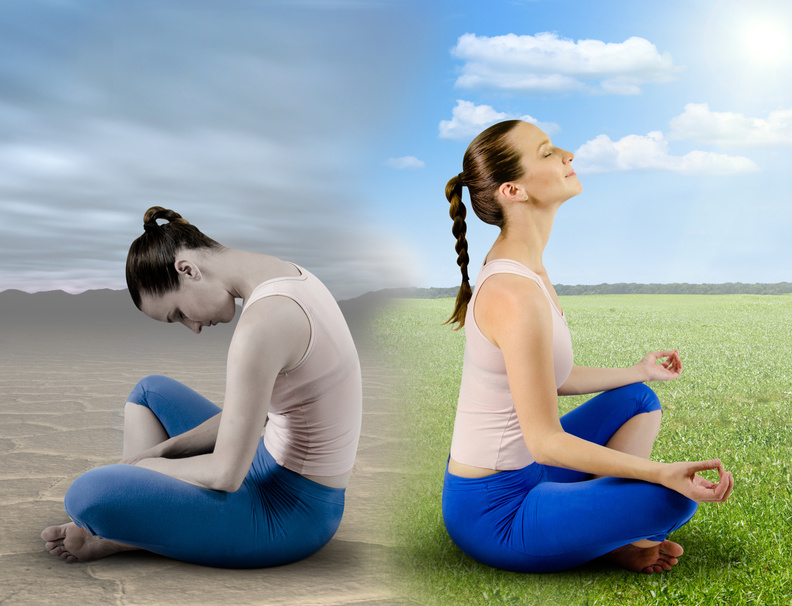
Meditation is often imagined as sitting still with eyes closed, breathing quietly, and clearing the mind. For many people, this version feels inaccessible or frustrating. The moment stillness is attempted, mental noise increases rather than fades.
What this framing misses is that the nervous system does not require stillness to enter a meditative state. It requires predictability. Repetition, especially when paired with gentle movement, offers another doorway into calm attention.
The brain is constantly scanning for novelty. Novelty demands attention because it may signal danger or opportunity. When inputs are unpredictable, the nervous system stays alert and reactive.
Repetitive motion reduces novelty. When movement follows a steady, predictable pattern, the brain receives fewer new signals to evaluate. This lowers baseline threat detection and reduces activity in stress related circuits, particularly those involving the amygdala.
Calm emerges not from forcing quiet, but from reducing the brain’s need to stay vigilant.
Repetitive movement works through many of the same pathways as formal meditation, even though it looks different on the surface.
Rhythmic motion reduces threat reactivity by calming the amygdala and lowering emotional volatility. Consistent repetition also strengthens top down regulation by improving communication between emotional centers and the prefrontal cortex. This makes it easier to notice emotions without being overwhelmed by them.
At the same time, repetition anchors attention in physical sensation. The mind is gently pulled away from rumination and worry toward touch, pressure, rhythm, and movement. Focus narrows naturally without effort.
For some nervous systems, stillness removes structure too quickly. Without an external rhythm to anchor attention, the mind fills the space with internal noise.
Repetitive movement provides that structure. The brain can rest into the rhythm rather than trying to manufacture calm. Attention stabilizes because the sensory input is consistent and non threatening.
This is why activities like walking, knitting, or chopping vegetables often feel calming even when the person is not trying to meditate.

Repetition creates predictable sensory loops. Each movement reinforces the last. Each sensation confirms what comes next.
These loops anchor attention in the body. The nervous system shifts from abstract thought toward concrete sensation. Over time, this reduces mental chatter and increases present moment awareness without conscious effort. Sensory anchoring is especially helpful for people prone to anxiety, overthinking, or emotional overload. Repetition does not require special tools or formal practice.
Craft based movements like knitting, crocheting, or embroidery provide steady rhythm with low mental demand. Locomotor patterns such as walking, running, swimming, cycling, or rowing naturally synchronize breath and movement, supporting a meditative flow state. Everyday rhythms like chopping vegetables, folding laundry, sweeping, or simple dancing create predictable sensory patterns that calm the nervous system while accomplishing practical tasks.
Repeated movement strengthens the connection between emotional awareness and control. Instead of suppressing emotion, the brain learns to observe it without escalating. Over time, this improves emotional resilience. Stress responses become shorter. Recovery becomes faster. The nervous system learns that not every signal requires reaction. This is regulation through familiarity rather than force.
Repetition is not distraction. It is attentional training. Movement meditation is not inferior to still meditation.
Calm does not require silence or stillness. Effort often increases cognitive noise rather than reducing it. The nervous system calms when it feels safe, predictable, and oriented.
Calm does not come from emptying the mind. It comes from reducing the brain’s need to monitor uncertainty.
Repetition lowers cognitive noise by decreasing novelty, anchoring attention, and strengthening emotional regulation. Whether through walking, crafting, or everyday tasks, rhythmic movement offers a practical, accessible path into meditative states. For many people, repetition is not a substitute for meditation. It is meditation.