Socials


Your nails grow slowly and continuously, which makes them a surprisingly reliable reflection of what is happening inside your body. Changes in color, texture, or growth rate often appear when nutrients shift, when stress affects recovery, or when circulation is disrupted. Most people overlook these signals, yet dermatology research shows that nails can offer early clues about systemic health, nutrient status, and inflammatory processes (Lipner 2019).
Nail changes are not diagnoses. They are gentle indicators. Understanding them helps you spot patterns in how your body is functioning long before symptoms become noticeable.
Nails form in the nail matrix. This area is highly metabolically active and sensitive to micronutrient shortages, stress hormones, and disruptions in blood flow. When the body lacks protein, iron, B vitamins, or zinc, new nail growth may appear weaker or irregular (Cashman and Sloan 2010). When the body is recovering from illness or emotional stress, nail ridges often become more visible because growth temporarily slows.
Since nails take months to grow from base to tip, they essentially store a timeline of internal physiology. Nail texture and color can reveal what the body was experiencing six to twelve weeks before you even notice a change.
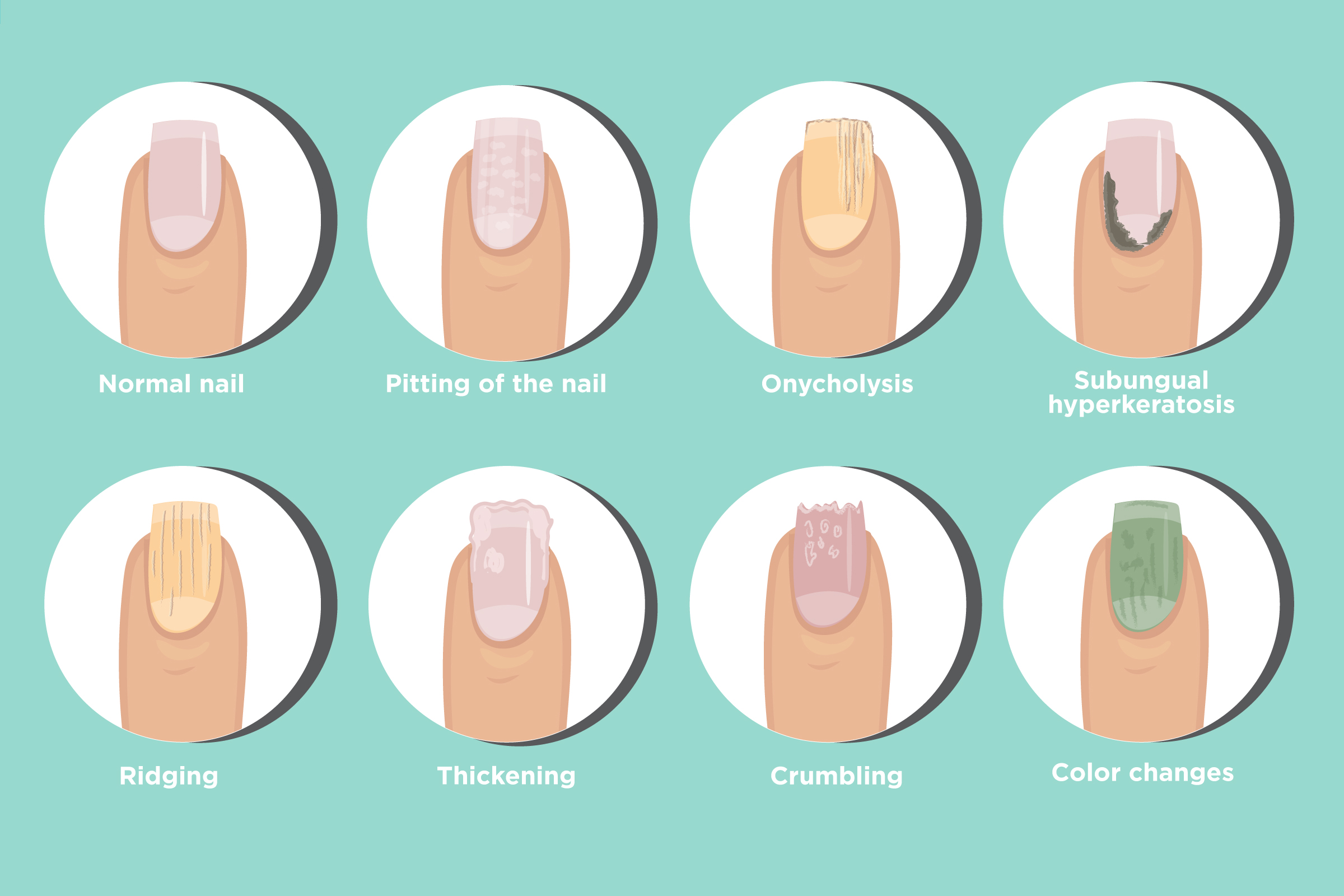
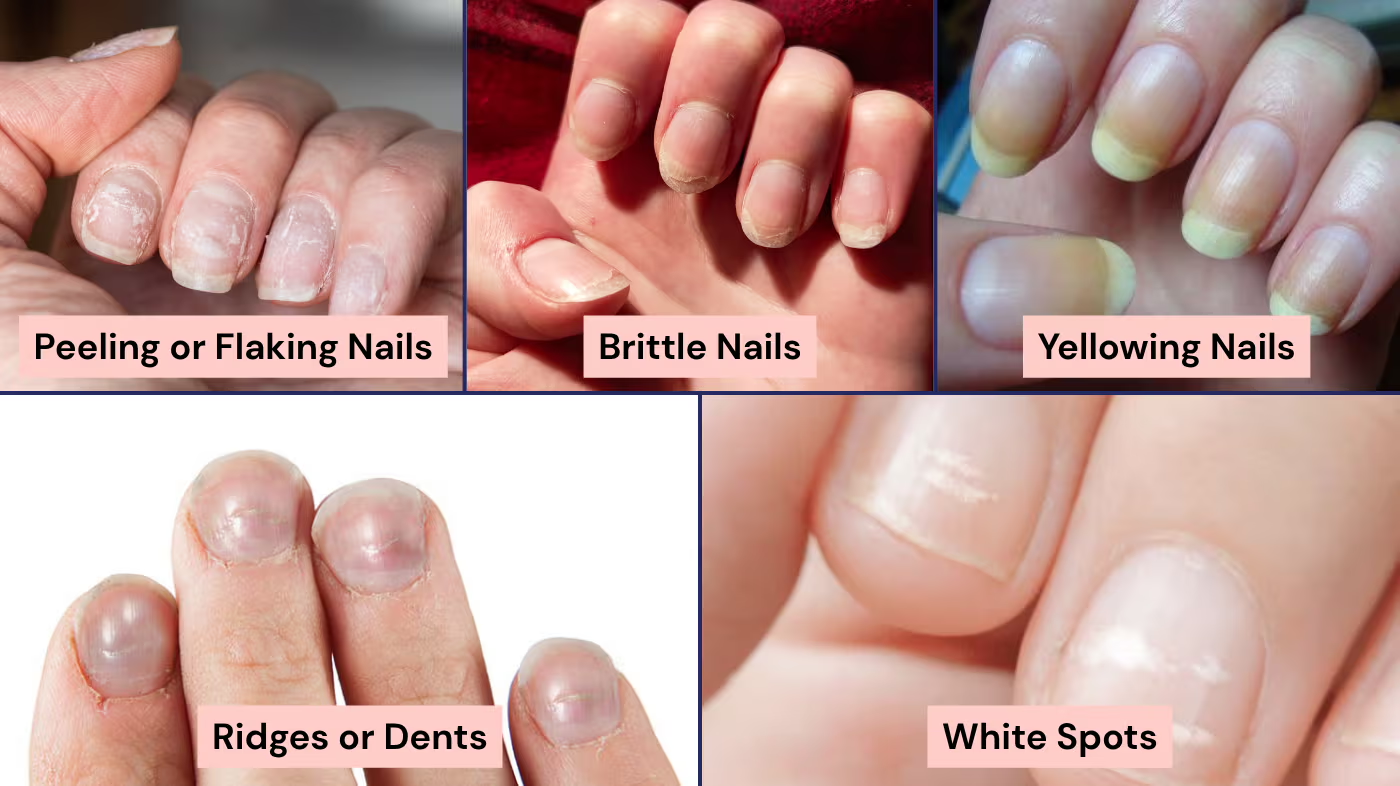
Vertical ridges are extremely common and often reflect normal aging or the body’s recovery after stress or illness. They become more visible when hydration or nutrient intake fluctuates. Dermatologists note that more pronounced ridges may be associated with low iron or B vitamin intake, especially when accompanied by fatigue or reduced stamina (Al Aboud and Zahir 2014).
Peeling occurs when the nail plate loses structural moisture or protein. Frequent exposure to water, harsh soaps, or sanitizers weakens the outer layers. Research shows that low dietary protein, low biotin intake, or reduced thyroid function can also slow keratin synthesis and contribute to flaking (Cashman and Sloan 2010). This is why peeling nails often appear alongside periods of nutritional inconsistency or chronic stress.
Small white spots, called leukonychia, usually form from minor trauma to the nail plate as it grows. They can also reflect mild zinc insufficiency, though this is less common than people think. These spots are usually harmless and fade as the nail grows out (Al Aboud and Zahir 2014). They are best viewed as reminders of how sensitive nail growth is to small disruptions.
If you see ridges: Think hydration and B vitamin intake. Most ridges are benign.
If nails peel easily: Increase protein rich foods and protect the hands from excess water exposure.
If white spots appear: Do not worry. They usually reflect micro trauma and improve as new nail grows.
If nails look pale: Evaluate iron intake since pale beds often track with low hemoglobin.
Nails grow slowly, about three millimeters per month. This slow pace means they preserve a record of metabolic and nutritional patterns over weeks. When the body experiences a stressor such as illness, travel, disrupted eating, or intense emotional strain, the nail matrix often slows production. This slowdown appears later as a visible ridge or change in texture.
Because nail keratin depends heavily on protein, micronutrients, and circulation, nails often reflect deficiencies before symptoms appear elsewhere. This is why clinicians sometimes use nail patterns as supporting information when evaluating nutritional or metabolic concerns (Lipner 2019).
Check your nails under natural light every one to two weeks.
Note patterns rather than isolated changes.
Look at both hands because symmetrical changes are more likely internal.
Compare new growth at the base with older nail toward the tip.
Track how stress, hydration, diet, and illness recovery coincide with changes.

Support nail strength with regular protein intake because keratin requires amino acids to form.
Stay hydrated to improve nutrient transport and growth rate.
Add iron rich foods such as lentils, spinach, pumpkin seeds, and red meat if nails look pale.
Moisturise your hands after washing to reduce peeling from water and soap exposure.
Seek medical advice if nail changes become sudden, severe, or appear with other symptoms like fatigue, hair loss, or shortness of breath. While most nail changes are harmless, some patterns can reflect systemic concerns that benefit from proper evaluation.
Your nails are small but informative. They reflect weeks of internal physiology and can highlight nutrient gaps, hydration issues, or periods of stress long before you feel unwell. Most changes are harmless, but they are still worth noticing. Paying attention helps you support your health early and consistently.
Al Aboud A and Zahir K 2014 Nail changes and systemic disease. American Family Physician 89. 1. 11 to 12.
Cashman M and Sloan S 2010 Nutrition and nail health. Clinical Dermatology 28. 4. 420 to 425. https. doi.org.10.1016.j.clindermatol.2010.03.025
Lipner S 2019 Nail disorders as markers of systemic disease. JAMA Dermatology 155. 10. 1095 to 1102. https. doi.org.10.1001.jamadermatol.2019.1583