Socials


Taurine rarely appears in mainstream nutrition conversations, yet it quietly influences some of the most fundamental processes linked to aging and long term health. Unlike essential amino acids, the body can produce taurine, but this production is often insufficient under conditions such as chronic stress, aging, or high physical demand. At the same time, modern dietary patterns, especially those low in seafood, tend to provide minimal taurine intake. This creates a subtle but important gap. While much attention is placed on protein intake or calorie balance, taurine represents a different category of nutritional signal, one that supports cellular resilience, metabolic regulation, and neurological stability. The emerging interest in taurine is not about quick fixes, but about how small biochemical advantages accumulate over time to influence how the body ages.
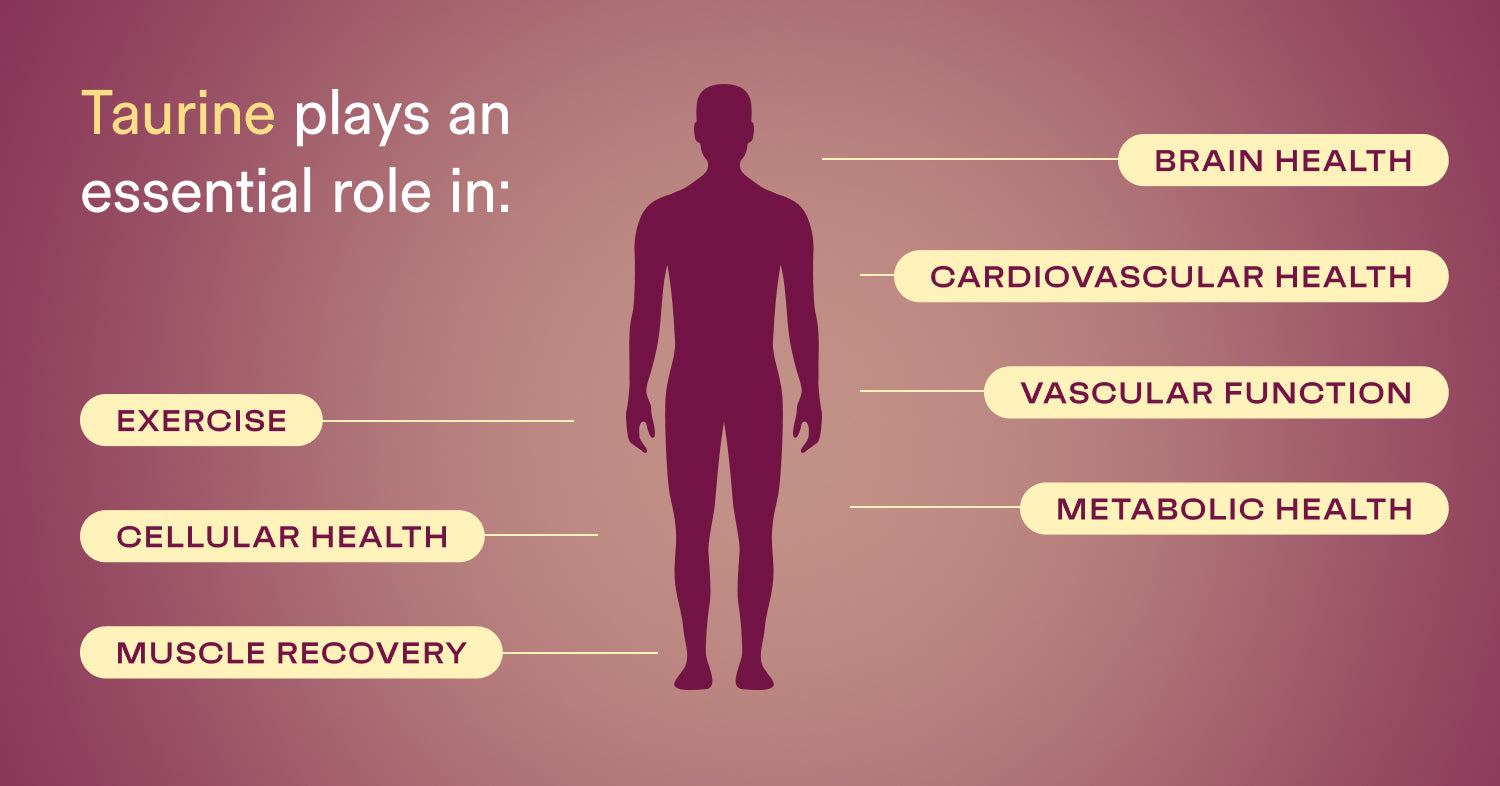
Taurine is not used to build proteins in the traditional sense. Instead, it functions as a regulatory molecule that helps stabilize internal systems. One of its primary roles is maintaining cellular integrity. It regulates ion balance, particularly calcium and sodium, which are essential for proper cell signaling and function. When this balance is disrupted, cells become more vulnerable to stress and dysfunction. Taurine also plays a role in mitochondrial health, supporting energy production and reducing oxidative stress, both of which are closely tied to aging processes (Schaffer et al., 2014).
In the nervous system, taurine acts as a neuromodulator. It supports inhibitory signaling pathways, helping regulate excitability and maintain balance between stimulation and relaxation. This has implications for stress resilience, sleep quality, and cognitive function. In the cardiovascular system, taurine contributes to stable heart rhythm and vascular function, partly through its effects on calcium handling and membrane stabilization (Ripps and Shen, 2012). These roles position taurine less as a single function nutrient and more as a systems regulator that helps maintain internal stability under varying conditions.
Recent research has started to explore taurine not just as a supportive nutrient, but as a potential factor in healthy aging. Animal studies have shown that taurine levels decline with age, and supplementation in certain models has been associated with improvements in lifespan and healthspan markers, including metabolic function, inflammation, and mitochondrial efficiency (Singh et al., 2023). While translating these findings to humans requires caution, the pattern is biologically plausible. Aging is characterized by accumulated cellular stress, impaired metabolic flexibility, and reduced resilience to environmental challenges. Taurine appears to intersect with all of these domains.
However, it is important to challenge the assumption that increasing taurine intake alone can meaningfully alter aging outcomes. A well informed skeptic would point out that many longevity interventions show promising results in animal models but fail to produce comparable effects in humans. Taurine may be one piece of a larger system rather than a standalone solution. Its benefits likely depend on broader dietary patterns, physical activity, and overall metabolic health. In this sense, taurine should be viewed as an amplifier of good conditions rather than a compensator for poor ones.
Taurine also plays a role in metabolic health that extends beyond simple energy balance. It supports insulin sensitivity by improving glucose uptake into cells and reducing low grade inflammation, both of which are critical for maintaining metabolic flexibility (Kim and Cha, 2014). In addition, taurine contributes to bile acid conjugation, a process that enhances fat digestion and influences lipid metabolism. These effects suggest that taurine participates in how efficiently the body processes and utilizes nutrients, not just how many calories are consumed.
This challenges a common assumption in nutrition, that macronutrient ratios or calorie counts alone determine metabolic outcomes. Taurine highlights the importance of micronutrient and conditionally essential compounds in shaping metabolic pathways. Two diets with identical calorie and protein content may produce different results depending on the presence or absence of compounds like taurine that influence cellular efficiency and signaling.
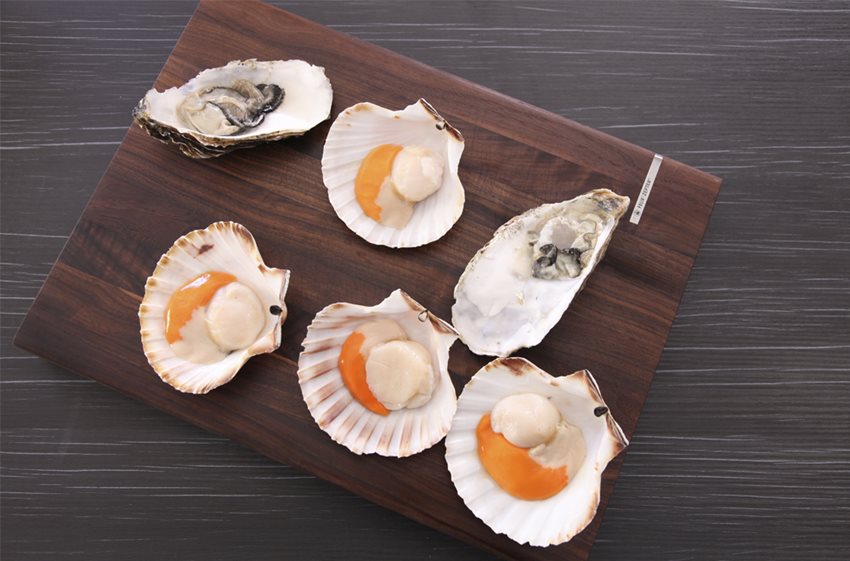
Seafood remains the most reliable dietary source of taurine, particularly shellfish such as oysters, clams, and scallops. Dark poultry meat and certain fish also provide moderate amounts. For individuals who regularly consume these foods, taurine intake is likely sufficient. However, those following plant based diets or diets low in seafood may have lower baseline levels.
Supplementation is often presented as a convenient solution, but this raises another assumption worth questioning. Is isolated taurine equivalent to taurine consumed within whole foods? Whole food sources provide taurine alongside other nutrients such as zinc, selenium, omega 3 fatty acids, and high quality protein. These combinations may create synergistic effects that isolated supplementation cannot fully replicate. While taurine supplements may be useful in specific contexts, such as increased physiological stress or restricted diets, they should not replace a nutrient dense dietary foundation.
Taurine is best understood not as a miracle compound, but as part of a broader network of inputs that influence how the body adapts over time. Aging is not driven by a single deficiency or pathway. It is the result of cumulative imbalances in energy production, cellular repair, inflammation, and signaling. Taurine contributes to stabilizing these systems, particularly under stress.
An alternative perspective is to view taurine as a marker of dietary quality rather than a target in isolation. Diets rich in seafood and minimally processed animal foods tend to provide taurine along with a wide range of supportive nutrients. These patterns are also associated with better metabolic health and lower chronic disease risk. In this sense, focusing on taurine intake may indirectly guide individuals toward more nutrient dense and biologically supportive eating patterns.
Taurine sits at the intersection of cellular protection, metabolic regulation, and neurological balance. Its importance does not come from acting as a dominant driver of health, but from quietly supporting the systems that allow the body to function efficiently over time. While the current evidence is promising, especially in early longevity research, it is not definitive. Taurine should be integrated into a broader strategy that includes nutrient dense foods, regular physical activity, and metabolic awareness. When viewed through this lens, taurine becomes less of a hidden secret and more of a missing piece in a larger, more coherent approach to aging well.
Kim, C. and Cha, Y. S. (2014) ‘Taurine chloramine produced from taurine under inflammation provides anti inflammatory effects’, Amino Acids, 46(1):89 to 100. https://doi.org/10.1007/s00726-013-1594-1
Ripps, H. and Shen, W. (2012) ‘Review: taurine a very essential amino acid’, Molecular Vision, 18:2673 to 2686.
Schaffer, S. W., Jong, C. J., Ramila, K. C. and Azuma, J. (2014) ‘Physiological roles of taurine in heart and muscle’, Journal of Biomedical Science, 21(1):1 to 11. https://doi.org/10.1186/1423-0127-21-1
Singh, R., Chandrasekaran, K., Aggarwal, S. and others (2023) ‘Taurine deficiency as a driver of aging’, Science, 380(6649):eabn9257. https://doi.org/10.1126/science.abn9257