Socials


Black raisins are often viewed as a simple dried fruit snack, yet they contain a concentrated profile of nutrients that can support multiple aspects of human health. Produced by drying dark grapes, black raisins retain natural sugars, dietary fibre, antioxidants, and essential micronutrients such as iron, potassium, and polyphenols. These compounds contribute to immune defense, digestive health, and metabolic stability. While they are small in size, their nutrient density means they can provide meaningful physiological benefits when included regularly in a balanced diet.
The immune system depends on a steady supply of nutrients that support cellular defense mechanisms, antioxidant protection, and the maintenance of healthy gut microbiota. Black raisins provide a combination of plant compounds and micronutrients that influence these systems. Their polyphenols help neutralize reactive oxygen species, while fibre and minerals support metabolic processes that indirectly influence immune resilience. Rather than acting as a single targeted remedy, black raisins function as part of a broader nutritional pattern that helps maintain immune readiness and overall physiological balance.

The health effects of black raisins largely stem from their dense nutritional profile. Drying grapes removes most of the water content, concentrating both beneficial compounds and natural sugars. A small portion can therefore provide measurable amounts of fibre, potassium, iron, and phytochemicals.
Polyphenols are among the most important compounds present in raisins. These plant molecules function as antioxidants, helping reduce oxidative stress in the body. Oxidative stress occurs when reactive oxygen species accumulate faster than the body’s antioxidant systems can neutralize them. Chronic oxidative stress has been linked to inflammation, impaired immune responses, and increased susceptibility to chronic disease (Lobo et al., 2010).
Black raisins also contain dietary fibre that supports digestive function and gut microbial balance. Since a significant portion of the immune system interacts with the gut microbiome, maintaining healthy gut bacteria is an important component of immune health. Fibre acts as a substrate for beneficial microbes, allowing them to produce short chain fatty acids that help regulate inflammation and maintain intestinal barrier integrity (Makki et al., 2018).
Immune health depends on coordinated interactions between immune cells, antioxidant defenses, and metabolic regulation. Several compounds in black raisins contribute to these processes.
One mechanism involves antioxidant activity. The polyphenols and flavonoids present in dark grapes remain partially preserved during drying. These compounds help neutralize free radicals that could otherwise damage immune cells and tissues. Reducing oxidative stress can improve the body’s ability to mount effective immune responses while limiting excessive inflammatory reactions (Lobo et al., 2010).
Minerals in black raisins also play a supporting role. Iron contributes to oxygen transport and is essential for the function of many immune cells. Potassium helps regulate cellular fluid balance and nerve signaling, which are necessary for proper physiological function. While raisins alone cannot meet total mineral requirements, their contribution can support nutrient adequacy within a balanced diet.
Another factor is the interaction between diet and the gut microbiome. The fibre and polyphenols in raisins can influence the composition of gut bacteria, encouraging the growth of beneficial microbes. A healthy microbiome supports immune regulation by strengthening the intestinal barrier and modulating immune cell activity (Makki et al., 2018).
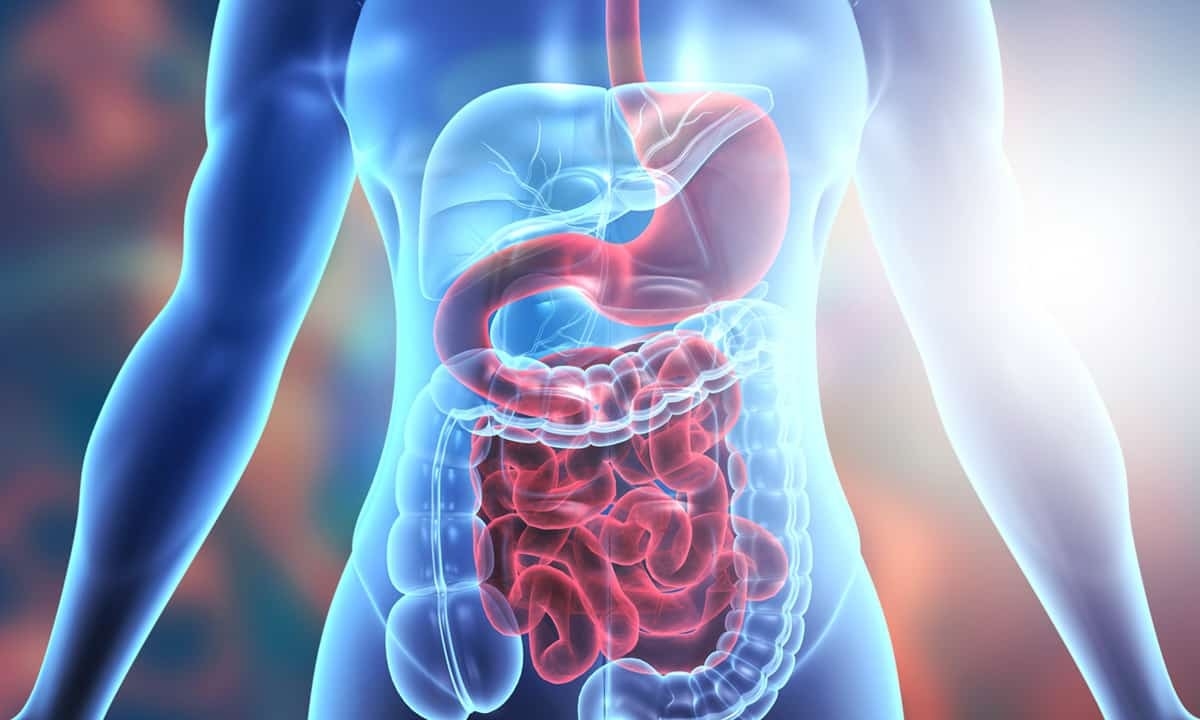
Digestive health and immune health are closely linked. Approximately seventy percent of the immune system is associated with the gut, where immune cells constantly interact with dietary compounds and microbial populations. Maintaining gut balance therefore plays an important role in overall immune function.
The fibre content of black raisins contributes to digestive regularity and supports beneficial bacteria in the colon. Fermentation of dietary fibre by gut microbes produces short chain fatty acids such as butyrate, which help reduce intestinal inflammation and maintain the integrity of the gut lining. A stronger intestinal barrier prevents harmful pathogens and toxins from entering the bloodstream, which can otherwise trigger immune activation (Makki et al., 2018).
Polyphenols may also influence gut microbiota composition. Research suggests that polyphenol rich foods can encourage the growth of certain beneficial bacterial strains while inhibiting the growth of potentially harmful ones. This interaction between plant compounds and gut microbes highlights how whole foods can influence immune health through multiple biological pathways.
Beyond immunity, black raisins can contribute to other aspects of health that indirectly support immune resilience. Their natural sugars provide a quick source of energy, which can be useful before physical activity or during periods of increased energy demand. Unlike refined sugar snacks, raisins also deliver fibre and micronutrients that help moderate the metabolic response.
The antioxidants in black raisins may also support skin health. Skin serves as the body’s first physical barrier against pathogens and environmental stressors. Oxidative stress and chronic inflammation can impair skin structure and accelerate aging. Polyphenols and vitamin related compounds in raisins may help protect skin cells from oxidative damage and support collagen maintenance (Williamson and Carughi, 2010).
While raisins should still be consumed in moderation due to their sugar concentration, their nutrient density makes them a more beneficial alternative to many processed snack foods. Including small portions as part of a balanced dietary pattern can support both energy balance and micronutrient intake.
Black raisins are versatile and easy to incorporate into daily meals. One traditional practice involves soaking raisins overnight and consuming them in the morning. Soaking softens the fruit and may improve digestibility while rehydrating some of its natural compounds. Although evidence on soaking specifically is limited, the practice encourages mindful consumption of whole foods rather than processed snacks.
Another approach is to use raisins as a natural energy snack. Their combination of carbohydrates and micronutrients makes them convenient for quick energy during busy days or before exercise. Pairing them with protein or healthy fats, such as nuts or yogurt, can help balance blood sugar responses and increase satiety.
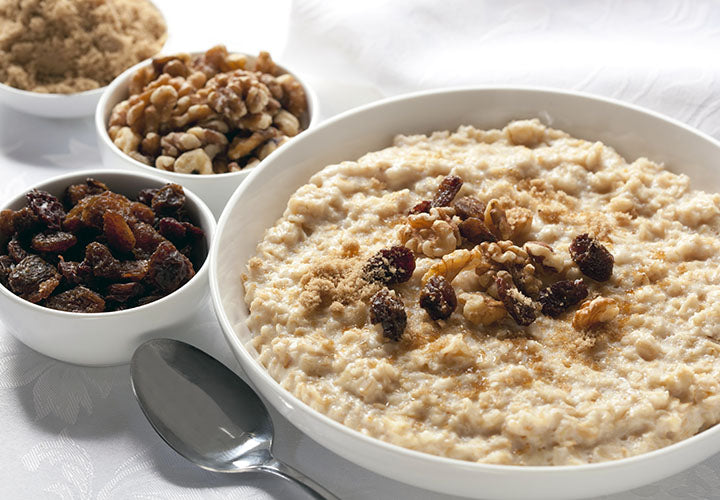
Raisins can also be integrated into meals. They work well in oatmeal, yogurt bowls, grain salads, and smoothies. Adding them to rice dishes or vegetable salads can introduce subtle sweetness while increasing fibre and micronutrient content. These simple dietary adjustments allow raisins to contribute to overall nutritional quality without requiring major dietary changes.
Black raisins demonstrate how small foods can provide concentrated nutritional benefits. Their fibre, minerals, and antioxidant compounds support immune defense, digestive health, and metabolic balance. While they are not a standalone solution for immunity, including them within a balanced dietary pattern can contribute to the nutrient diversity that supports long term health. By choosing whole, minimally processed foods such as raisins, individuals can strengthen dietary foundations that help the immune system function effectively.
Lobo, V., Patil, A., Phatak, A., and Chandra, N. (2010) ‘Free radicals, antioxidants and functional foods’, Pharmacognosy Reviews, 4(8):118 to 126. https://doi.org/10.4103/0973-7847.70902
Makki, K., Deehan, E. C., Walter, J., and Bäckhed, F. (2018) ‘The impact of dietary fiber on gut microbiota in host health and disease’, Cell Host and Microbe, 23(6):705 to 715. https://doi.org/10.1016/j.chom.2018.05.012
Williamson, G., and Carughi, A. (2010) ‘Polyphenol content and health benefits of raisins’, Nutrition Research, 30(8):511 to 519. https://doi.org/10.1016/j.nutres.2010.07.008
Slavin, J. (2013) ‘Fiber and prebiotics: mechanisms and health benefits’, Nutrients, 5(4):1417 to 1435. https://doi.org/10.3390/nu5041417