Socials


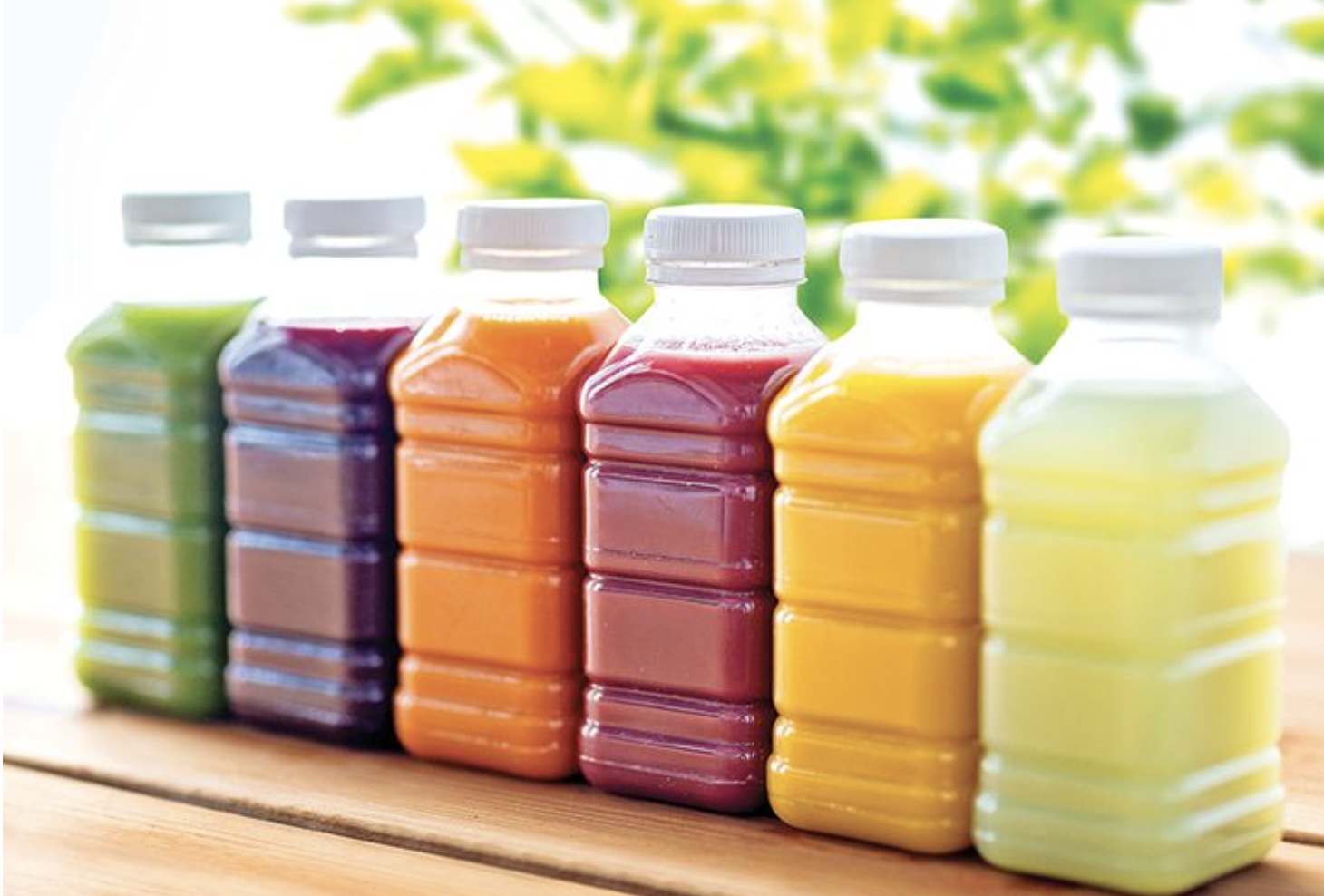
Fruit juice is often treated as a nutritional shortcut. It comes from fruit, contains vitamins, and is widely marketed as natural, cleansing, or energizing. For many people, it feels categorically different from soda or other sweetened drinks. Yet metabolically, packaged fruit juice behaves far more like a sugar sweetened beverage than whole fruit, and the difference matters over time.
The issue is not fruit itself. It is the form. When fruit is juiced, its sugars are concentrated and delivered rapidly, while fiber, chewing, and satiety signals are largely removed. This changes how the body processes that sugar, particularly fructose, and quietly increases uric acid production. Repeated exposure can place strain on the liver, blood vessels, and kidneys long before obvious symptoms appear.
Whole fruit is self limiting. Fiber slows digestion, chewing activates satiety hormones, and volume fills the stomach. Juice bypasses these controls. A single glass can contain the fructose equivalent of several pieces of fruit, consumed in minutes rather than over time.
Fructose is handled almost entirely by the liver. When large amounts arrive quickly, the liver must phosphorylate fructose rapidly, consuming ATP in the process. This biochemical pathway generates uric acid as a byproduct (Johnson et al. 2013). Unlike glucose, fructose metabolism is not tightly regulated, which makes dose and delivery speed especially important.
With occasional intake, the body can compensate. With frequent intake, especially from packaged juices consumed daily, uric acid spikes become more common. These spikes are not just relevant to gout. They influence blood sugar regulation, vascular function, and inflammatory signaling.
Uric acid was once viewed mainly as a waste product. It is now recognized as an active metabolic signal. Elevated uric acid reduces nitric oxide availability, which impairs blood vessel dilation and glucose uptake in muscle tissue (Nakagawa et al. 2006). This mechanism can worsen insulin resistance even when fasting glucose levels appear normal.
In the kidneys, uric acid activates stress pathways that promote sodium retention and vasoconstriction, gradually raising baseline blood pressure (Johnson et al. 2015). In the liver, fructose driven uric acid production contributes to fat accumulation and mitochondrial stress, increasing the risk of non alcoholic fatty liver disease.
Repeated uric acid spikes also promote oxidative stress and low grade inflammation. These changes do not cause immediate symptoms. They accumulate quietly, which is why juice related metabolic strain often goes unnoticed in people who otherwise eat well and exercise regularly.
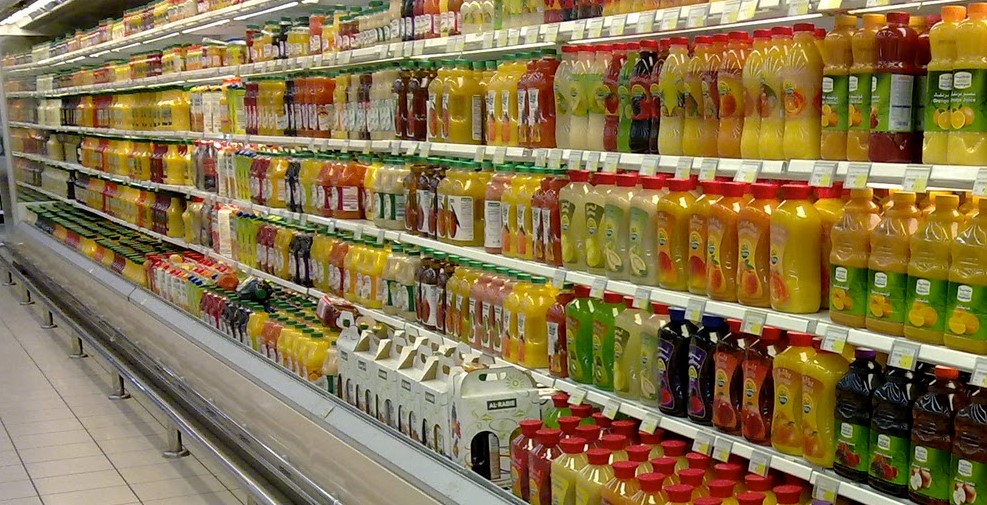
Packaged fruit juices are particularly problematic because they are easy to overconsume. They are portable, marketed as healthy, and often consumed without meals. Drinking juice on an empty stomach produces larger and faster fructose and uric acid spikes than consuming fruit alongside protein, fat, or fiber.
Many juices also concentrate fruit varieties high in fructose while removing pulp entirely. Even juices labeled as no added sugar or 100 percent fruit juice still deliver a high glycemic and fructose load.
This does not mean juice is toxic. It means frequency and context matter. The metabolic cost of juice is not obvious in the short term, but it compounds with regular use.
If you enjoy juice, the goal is not elimination. It is risk reduction.
Choose whole fruit most of the time. Fiber slows fructose delivery and improves satiety.
If you drink juice, keep portions small and pair it with food rather than consuming it alone.
Be cautious with daily habits. A glass of juice every morning behaves differently than occasional use.
Consider dilution. Mixing juice with water lowers fructose load while preserving flavor.
Pay attention to training and recovery load. High stress, poor sleep, and heavy training increase sensitivity to metabolic strain.
Pick one change to test for two weeks. Replace daily juice with whole fruit. Or move juice to post meal rather than first thing in the morning. Note energy levels, hunger patterns, and cravings rather than focusing only on weight or blood sugar.
Small shifts often produce noticeable changes in appetite stability and energy consistency.
Juice cleanses or detoxifies the body. The liver and kidneys already perform detoxification. Juice adds metabolic work rather than removing it.
Natural sugar is metabolically neutral. The body responds to dose and delivery speed more than to marketing labels.
Athletic or lean individuals are immune. Physical activity improves tolerance, but repeated fructose loads can still drive uric acid and liver stress over time.
People with insulin resistance, fatty liver, gout, hypertension, or a family history of metabolic disease are more sensitive to uric acid fluctuations. For these individuals, juice can quietly worsen underlying issues even when other dietary habits are solid.
Packaged fruit juice carries a powerful health halo, but its metabolic effects are closer to sugar sweetened beverages than to whole fruit. The problem is not fruit. It is concentration, speed, and frequency.
Choosing whole fruit, paying attention to timing, and treating juice as an occasional addition rather than a daily staple can meaningfully reduce silent metabolic strain. Nutrition is not about eliminating pleasure. It is about understanding cost. Juice is not free.
Johnson RJ, Nakagawa T, Sanchez Lozada LG et al. 2013 Sugar, uric acid, and the etiology of diabetes and obesity. Diabetes 62(10):3307–3315. https://doi.org/10.2337/db12-1814
Nakagawa T, Hu H, Zharikov S et al. 2006 A causal role for uric acid in fructose induced metabolic syndrome. American Journal of Physiology Renal Physiology 290(3):F625–F631. https://doi.org/10.1152/ajprenal.00140.2005
Johnson RJ, Perez Pozo SE, Sautin YY et al. 2015 Hypothesis: could excessive fructose intake and uric acid cause type 2 diabetes. Endocrine Reviews 36(4):515–538. https://doi.org/10.1210/er.2014-1107
Choi HK, Willett W and Curhan G 2010 Fructose rich beverages and risk of gout in women. JAMA 304(20):2270–2278. https://doi.org/10.1001/jama.2010.1638