Socials


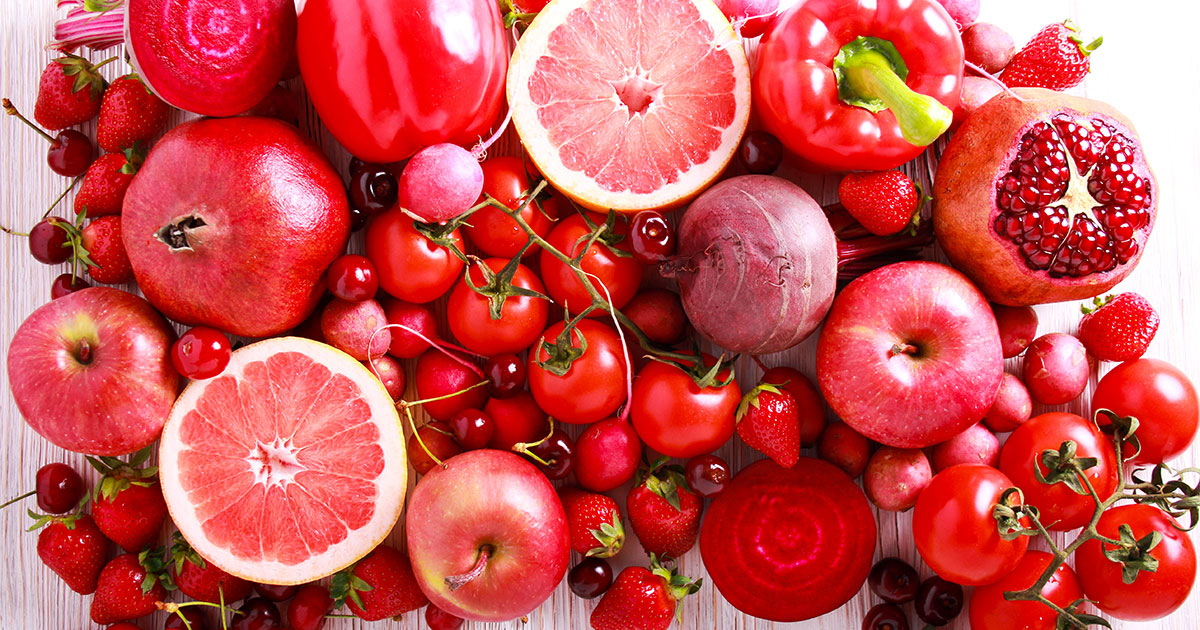
Red fruits and vegetables do more than brighten your plate. Their natural pigments contain bioactive compounds that support cardiovascular function, improve antioxidant capacity, and help maintain healthier blood vessels. Lycopene in tomatoes, anthocyanins in berries, and polyphenols in grapes and pomegranates have all been associated with improved markers of heart health and lower long term cardiovascular risk (Cheng et al. 2020).
These foods do not replace medical treatment or lifestyle foundations such as movement and sleep. They offer small, daily advantages that support vascular resilience and metabolic balance.
Anthocyanins in red berries and red grapes have been shown to reduce oxidative stress and regulate inflammation inside arteries, supporting smoother blood flow and endothelial function (Curtis et al. 2019).
Lycopene rich foods such as tomatoes may help reduce LDL oxidation and support healthier overall lipid profiles. Studies suggest that higher dietary lycopene intake correlates with lower cardiovascular disease risk (Story et al. 2010).
Red pigments contain antioxidant compounds that neutralise free radicals and help reduce oxidative burden. This protective effect contributes to healthier blood vessel lining and lower long term inflammation, both of which benefit cardiovascular health (Cheng et al. 2020).
If your goal is better circulation: Add tomatoes, watermelon, or red grapefruit to lunch or dinner.
If you want a cholesterol friendly habit: Include red grapes, strawberries, or raspberries several times a week.
If you want more antioxidant support: Rotate your red foods because each pigment type works differently.
If you want sustainable heart benefits: Pair red foods with regular movement and whole food meals.
Red foods contain carotenoids, anthocyanins, and polyphenols. These compounds work on multiple cardiovascular pathways. Lycopene helps reduce oxidative stress in vascular tissue, while anthocyanins improve nitric oxide availability and endothelial function (Curtis et al. 2019). Polyphenols from red grapes and pomegranates support healthy inflammation responses.
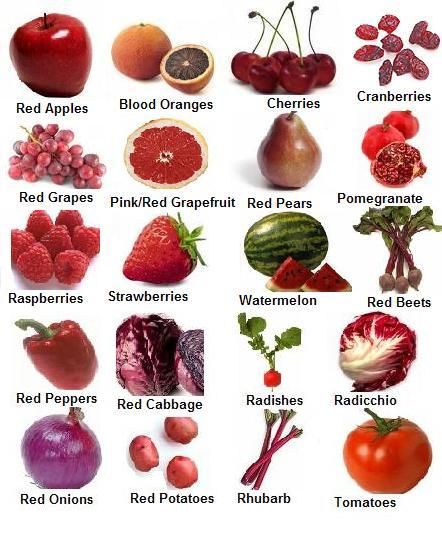
Because each pigment behaves differently, variety is key. Tomatoes offer lycopene. Berries provide anthocyanins. Red peppers contribute vitamin C. Red grapes supply polyphenols. Together they create a supportive network for vascular health.
Try adding one red fruit or vegetable daily for a full week.
Use both raw and cooked options because cooking increases lycopene absorption while raw berries preserve delicate polyphenols.
Track how you feel after meals, especially digestion and energy.
Rotate your choices weekly to broaden antioxidant benefits.
Keep the options you enjoy most so the habit sticks long term.
Red foods that help: Tomatoes, watermelon, raspberries, strawberries, red peppers, red grapes, pomegranates.
Habits that multiply benefits: Pair tomatoes with olive oil to improve lycopene absorption. Choose whole fruits over juices to avoid large sugar spikes.
What to avoid: Processed red colored products, which contain dyes rather than the pigments responsible for cardiovascular support.
If you have ongoing cardiovascular concerns, continue following professional medical guidance. Red foods support heart health but are part of a broader lifestyle structure that includes exercise, stress management, and blood pressure control.
Red fruits and vegetables offer a simple, flavorful way to support heart strength. Their pigments improve antioxidant defenses, encourage healthier blood vessels, and assist with cholesterol regulation. Even one serving a day nudges your cardiovascular system in a good direction.
Cheng H, Liu J, Su Z et al. 2020 Dietary polyphenols and cardiovascular health. Nutrients 12. 4. 1081. https. doi.org.10.3390.nu12041081
Curtis P, van der Velpen V, Berendsen A et al. 2019 Anthocyanins and vascular function. Nutrients 11. 8. 1702. https. doi.org.10.3390.nu11081702
Story E, Kopec R, Schwartz S et al. 2010 Lycopene and heart health. Journal of Nutrition 140. 9. 1612 to 1619. https. doi.org.10.3945.jn.109.119974