Socials



Exercise changes far more than physical fitness. Different forms of movement influence brain chemistry, stress hormones, emotional regulation, and mental energy in distinct ways. Both cardio and strength training can improve mood, but they often create different psychological effects during and after exercise.
Cardio tends to produce faster stress relief and emotional release, while strength training is more strongly associated with confidence, resilience, and long term mood stability. The goal is not choosing one “better” form of exercise. It is understanding how each affects the mind and using them strategically based on your needs.
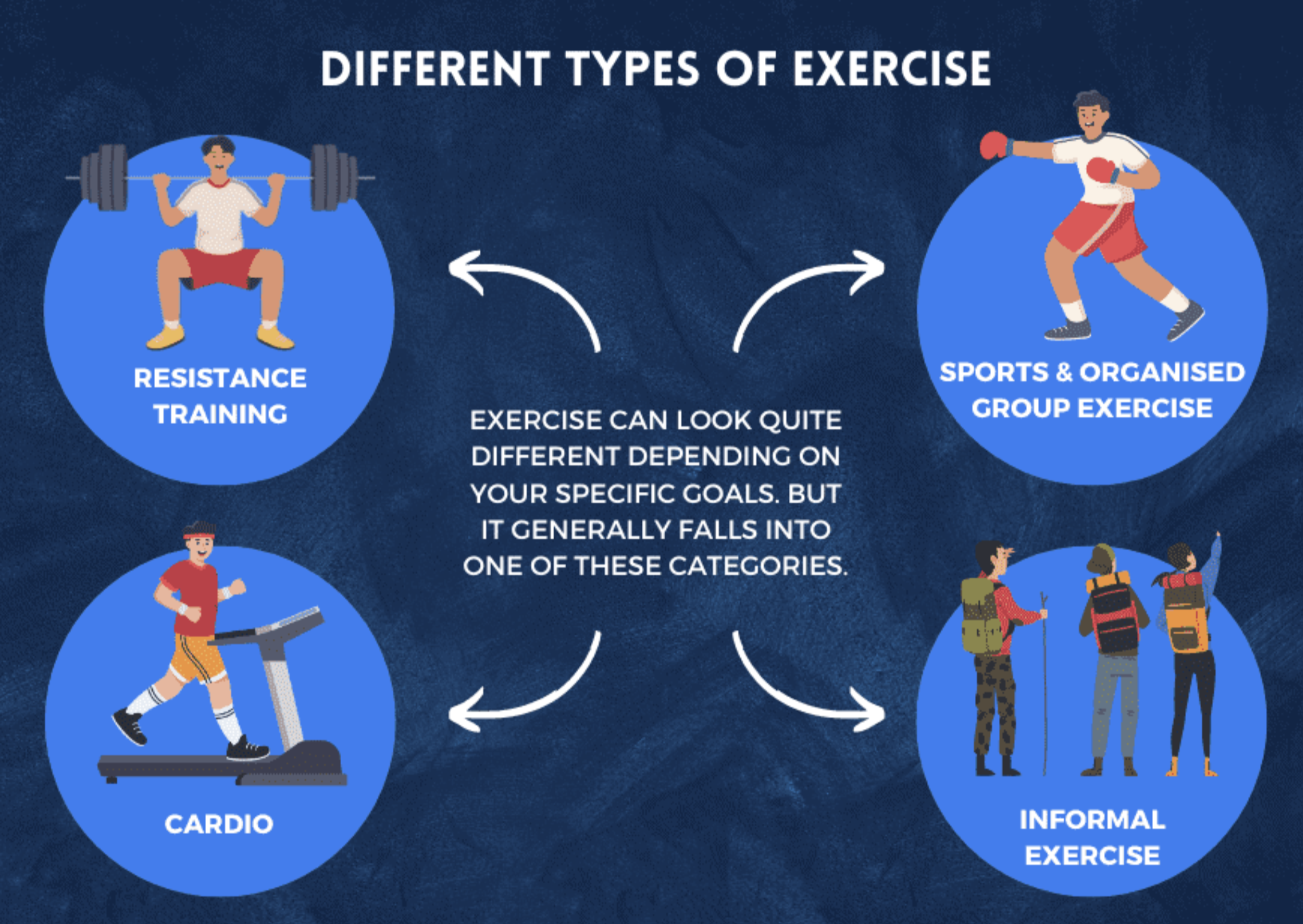
Movement activates neurotransmitters, hormones, and nervous system pathways connected to mood regulation. The intensity, rhythm, duration, and focus demands of exercise all influence how the brain responds.
Cardio activities such as walking, cycling, swimming, or running often involve repetitive rhythmic motion that can calm the nervous system and temporarily lower stress levels. Strength training creates short bursts of controlled physical stress that may improve resilience, self efficacy, and feelings of control over time.
These differences explain why one workout may leave someone relaxed and mentally lighter, while another creates feelings of accomplishment, confidence, and focus.
If you feel anxious or mentally overloaded: Choose lower or moderate intensity cardio. Walking, jogging, cycling, or swimming can help regulate stress and improve emotional state relatively quickly.
If you feel unmotivated or mentally stuck: Strength training may help more. Completing structured sets and progressively lifting heavier loads can improve confidence and momentum.
If you want a fast mood boost: Cardio often increases endorphins and dopamine rapidly, creating a noticeable “feel better” effect shortly after exercise begins.
If you want long term emotional resilience: Strength training is strongly associated with improved self efficacy, emotional regulation, and reduced symptoms of anxiety and depression over time.
If you feel mentally exhausted: Gentle cardio may restore energy without requiring high concentration. Heavy strength training may feel more draining on days of poor recovery.
If you struggle with focus or emotional restlessness: Resistance training may help channel attention into structured movement patterns that require coordination and mental engagement.
Aerobic exercise increases heart rate and circulation while stimulating the release of neurotransmitters linked to mood and reward.
Common psychological effects of cardio include:
• Temporary reduction in stress hormones
• Increased endorphin release
• Improved dopamine and serotonin activity
• Reduced mental tension and rumination
• Calmer nervous system activity after exercise
Rhythmic movement also appears to influence the autonomic nervous system, helping some people shift out of heightened stress states. Outdoor cardio may amplify these effects through sunlight exposure, fresh air, and environmental stimulation.
Long duration cardio sessions can sometimes create a meditative effect, especially during walking, cycling, or steady paced running.
Strength training challenges the body differently. Resistance exercise requires force production, coordination, focus, and progression over time.
Instead of producing mainly immediate relaxation, strength training often improves mood through psychological reinforcement and adaptation.
Potential benefits include:
• Increased confidence and self efficacy
• Greater sense of control and competence
• Improved emotional resilience
• Reduced symptoms of anxiety and depression
• Enhanced focus and mental engagement
Lifting weights also teaches tolerance to controlled stress. Completing difficult sets, tracking progress, and building physical capability may strengthen psychological resilience outside the gym.

Many people describe finishing strength sessions feeling mentally sharper, more capable, and emotionally grounded rather than simply relaxed.
Cardio and resistance training activate stress systems differently.
Moderate cardio often lowers stress hormones after exercise and promotes parasympathetic nervous system recovery. This can create feelings of calmness and emotional release.
Strength training temporarily raises stress hormones such as cortisol and adrenaline during demanding sessions, but repeated exposure may improve the body’s ability to tolerate stress over time.
Exercise intensity matters. Excessive high intensity training without recovery can negatively affect mood, sleep, and energy regardless of exercise type.
Research suggests both cardio and strength training can reduce symptoms of anxiety and depression, though they may help through different pathways.
Cardio appears especially useful for:
• Acute stress relief
• Emotional regulation
• Nervous system calming
• Improving energy and sleep
Strength training appears especially useful for:
• Confidence building
• Emotional resilience
• Structured routine formation
• Long term self perception improvements
Some studies suggest combining both forms of exercise may provide the broadest mental health benefits.
Walking, jogging, cycling, swimming, or hiking can help regulate mood during periods of emotional overload or mental fatigue.
Structured resistance sessions may improve discipline, confidence, and momentum during emotionally flat periods.
Alternating cardio and strength training can provide both immediate stress relief and long term emotional resilience.
Very intense exercise is not always better for mental health. Recovery, sleep, nutrition, and stress load all influence psychological response.
Regular moderate movement generally supports mood more effectively than occasional extreme workouts followed by burnout.
![Go for a Walk to Boost Your Well-Being [VIDEO] - FixWillpower](https://cdn.prod.website-files.com/665542b292d2d45f291e9619/6a0755ad05683551f16d5867_walking-brain.jpeg)
For stress relief: Try 20 to 40 minutes of walking, cycling, or steady paced cardio without excessive intensity.
For confidence building: Use progressive strength training with trackable goals such as improving form, adding repetitions, or gradually increasing weight.
For mental clarity: Exercise outdoors when possible. Natural light and environmental variation may improve mood benefits.
For consistency: Choose forms of exercise you actually enjoy. Sustainability matters more than the “optimal” workout.
What to avoid: Excessive exercise volume, poor recovery, chronic sleep deprivation, and comparing your performance constantly to others.
Using exercise only as emotional escape. Movement supports mental health, but chronic emotional distress may still require professional support.
Assuming harder workouts always improve mood more. Excessive intensity can increase fatigue, irritability, and stress hormones.
Ignoring recovery. Poor sleep and overtraining can reduce the mental health benefits of exercise.
Treating cardio and strength training as opposites. Most people benefit from some combination of both.
Expecting instant long term change. Psychological benefits build gradually through consistency.
Talk to a clinician if you experience persistent depression, panic attacks, severe anxiety, or loss of interest in daily life. Exercise can support mental health, but it is not a replacement for appropriate medical or psychological care when needed.
Cardio and strength training improve mood through different biological and psychological pathways. Cardio tends to provide faster stress relief, nervous system calming, and emotional release. Strength training is more strongly linked to confidence, resilience, structure, and long term emotional stability.
The best choice depends on your mental state, recovery level, and goals. In many cases, combining both forms of movement creates the strongest overall benefits for mood and mental health.
Stubbs B, Vancampfort D, Rosenbaum S et al. 2017 An examination of the anxiolytic effects of exercise for people with anxiety and stress related disorders: A meta analysis. Psychiatry Research 249:102–108. https://doi.org/10.1016/j.psychres.2016.12.020
Gordon BR, McDowell CP, Lyons M et al. 2018 Resistance exercise training for anxiety and worry symptoms among young adults: A randomized controlled trial. Scientific Reports 8:2410. https://doi.org/10.1038/s41598-018-20446-7
Schuch FB, Vancampfort D, Richards J et al. 2016 Exercise as a treatment for depression: A meta analysis adjusting for publication bias. Journal of Psychiatric Research 77:42–51. https://doi.org/10.1016/j.jpsychires.2016.02.023
Dishman RK and O’Connor PJ. 2009 Lessons in exercise neurobiology: The case of endorphins. Mental Health and Physical Activity 2(1):4–9. https://doi.org/10.1016/j.mhpa.2009.01.002
American Psychological Association. 2023 Stress effects on the body and exercise recommendations. Accessed 15 May 2026. https://www.apa.org/topics/stress/body