Socials


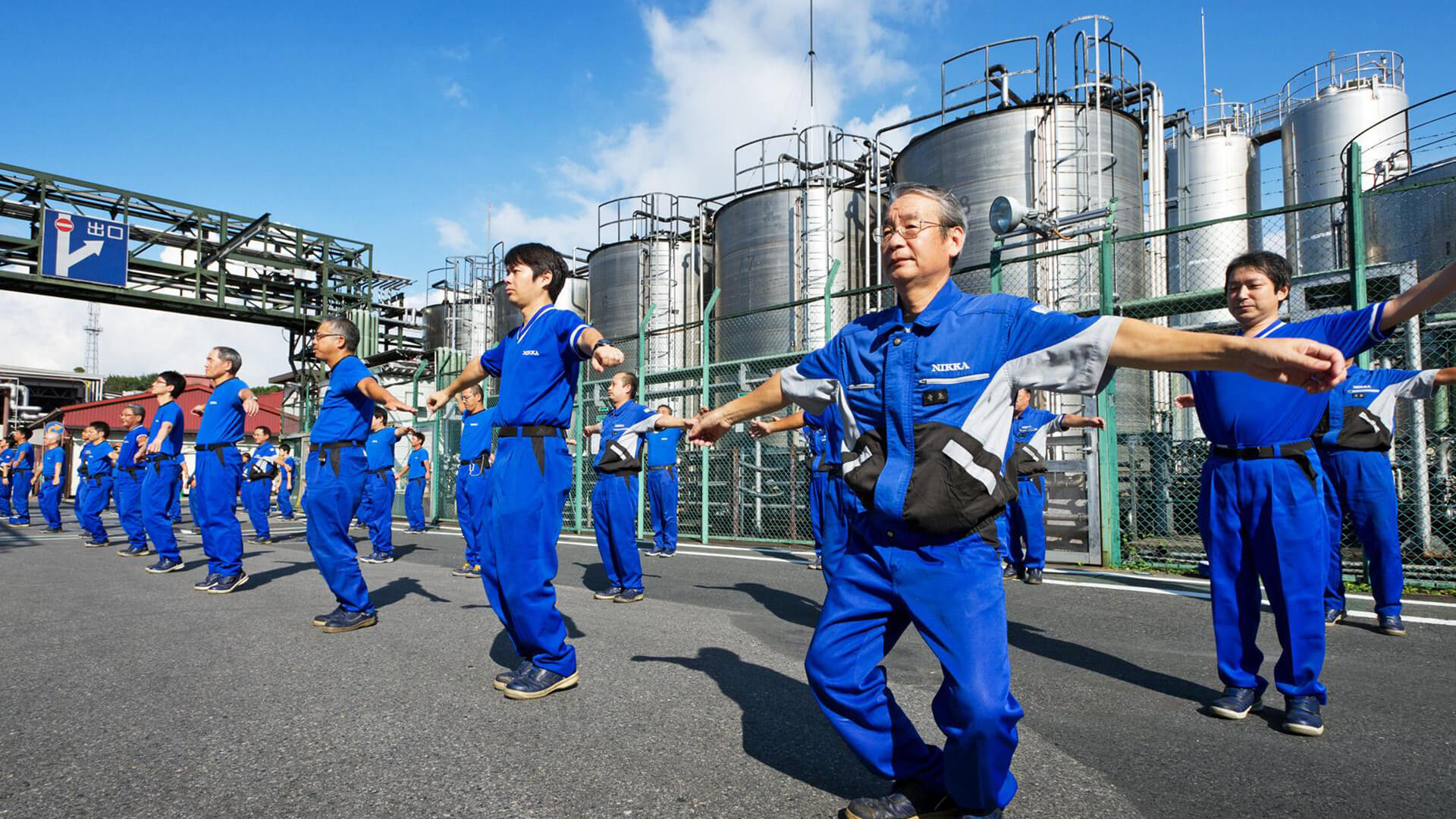
Exercise is often framed as something that requires time, intensity, and discipline. Gym memberships, structured programs, and long sessions dominate how people think about staying fit. Yet Japan offers a different model. For decades, millions of people have relied on a simple three minute routine called radio taisō, performed daily in homes, schools, workplaces, and parks (Government of Japan, 2019). It is not intense, and it is not built for athletic performance, but it is highly repeatable.
Radio taisō removes one of the biggest barriers to exercise, which is friction. There is no equipment, no planning, and no need to decide what to do. The routine is standardized and guided, which makes it easy to repeat every day. This kind of consistency is one of the strongest predictors of long term health outcomes (LeWine, 2023).
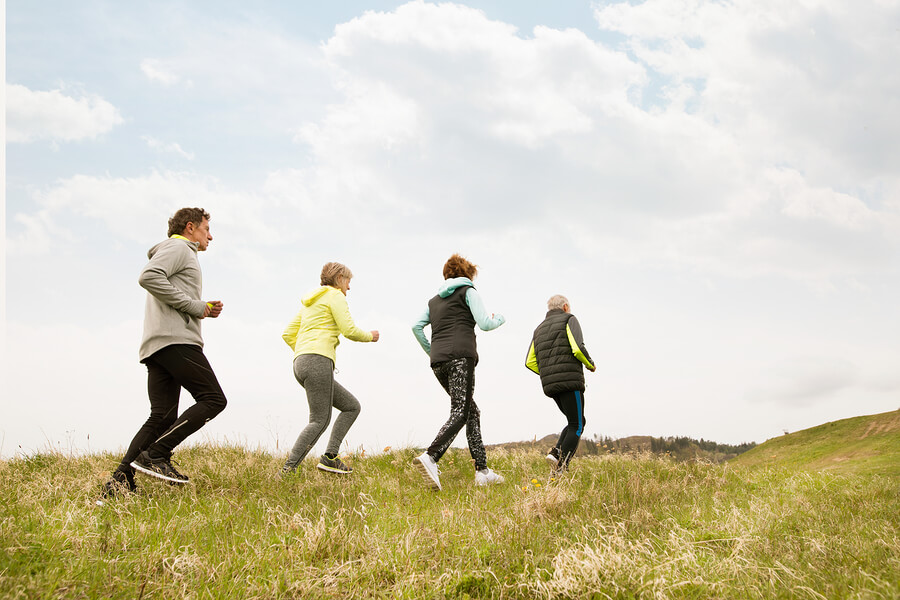
The body does not need extreme workouts to stay functional and healthy. It needs regular movement. Frequent low to moderate activity supports circulation, joint mobility, muscle activation, and metabolic health. When movement is inconsistent, even occasional hard workouts do not fully offset long periods of sitting.
Radio taisō fits this need well. The routine is short, but it engages the full body through arm swings, spinal movement, and lower body activation. It raises heart rate slightly, improves circulation, and helps maintain mobility without creating fatigue. In older adults, regular participation in radio taisō has been linked to improved health related quality of life, especially in those with frailty (Osuka et al., 2022).
Many people assume the best workout is the one that burns the most calories or feels the hardest. That sounds logical, but it misses a key point. The best workout is the one you actually do consistently.
Radio taisō succeeds because it minimizes mental effort. You do not need to choose exercises, set up equipment, or find motivation. It is built into daily rhythm and often performed in groups, which adds social accountability. This is one reason it remains popular across generations in Japan (Government of Japan, 2019).
A skeptic might say that a three minute routine cannot make a real difference. That criticism is valid if the goal is muscle growth or athletic performance. But if the goal is to reduce inactivity, improve mobility, and support daily function, a simple routine done every day can be more effective than a complex program done occasionally (LeWine, 2023).
The value of radio taisō is not in intensity. It is in frequency and sustainability. Daily movement supports blood flow, joint health, and neuromuscular coordination. It also helps maintain routine and structure, which matters more than most people realize.
Recent observational research has found that regular taisō practice is associated with lower risk of functional disability and dementia in older adults (Shirai et al., 2024). This does not prove that the routine alone causes those outcomes, but it does suggest that consistent, low barrier movement can contribute to healthier aging.
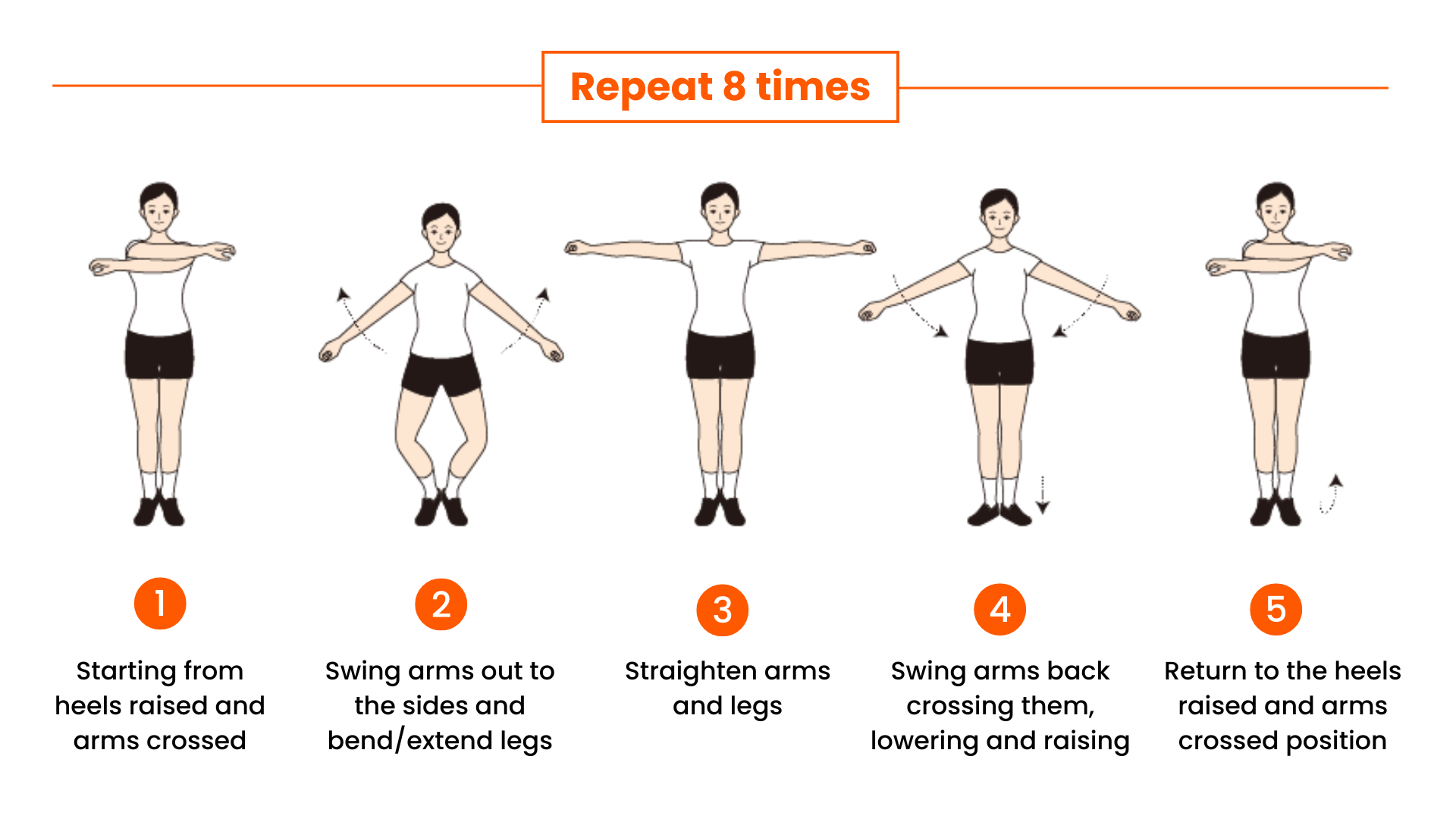
You do not need to copy the exact Japanese routine to get the same behavioral benefit.
Pick a three minute movement routine you can repeat every morning. Keep it simple. Include arm circles, gentle squats, spinal rotation, and calf raises. Do it at the same time every day, ideally right after waking up or before breakfast. The goal is not to get exhausted. The goal is to create a movement habit that feels automatic.
Once that habit is in place, you can add walking, strength training, or sports later. But the daily baseline matters most, because it prevents long stretches of inactivity from becoming normal.
Radio taisō works because it makes movement easy, repeatable, and culturally embedded. It challenges the idea that exercise must be long or intense to be useful. For most people, a short routine done daily is a stronger strategy than a perfect plan done rarely.
If you want a fitness habit that actually lasts, start small and make it automatic. That is the real power of radio taisō.
Government of Japan. (2019). Rajio taiso: Japan’s national exercises. Highlighting Japan. https://www.gov-online.go.jp/eng/publicity/book/hlj/html/201910/201910_05_en.html
LeWine, H. E. (2023). Try rajio taiso. Harvard Health Publishing. https://www.health.harvard.edu/healthy-aging-and-longevity/try-this-emrajio-taisoem
Osuka, Y., Matsubara, A., Okamoto, N., Kimura, Y., Kojima, N., Tange, C., Arai, H., and Fujiwara, Y. (2022). Effects of a home based radio taiso exercise programme on health related quality of life in older adults with frailty. BMJ Open, 12(9), e063201. https://doi.org/10.1136/bmjopen-2022-063201
Shirai, K., Watanabe, Y., Yuki, A., and colleagues. (2024). Taiso practice and risk of functional disability and dementia among older adults. Journal of Epidemiology. https://doi.org/10.2188/jea.JE20230445