Socials


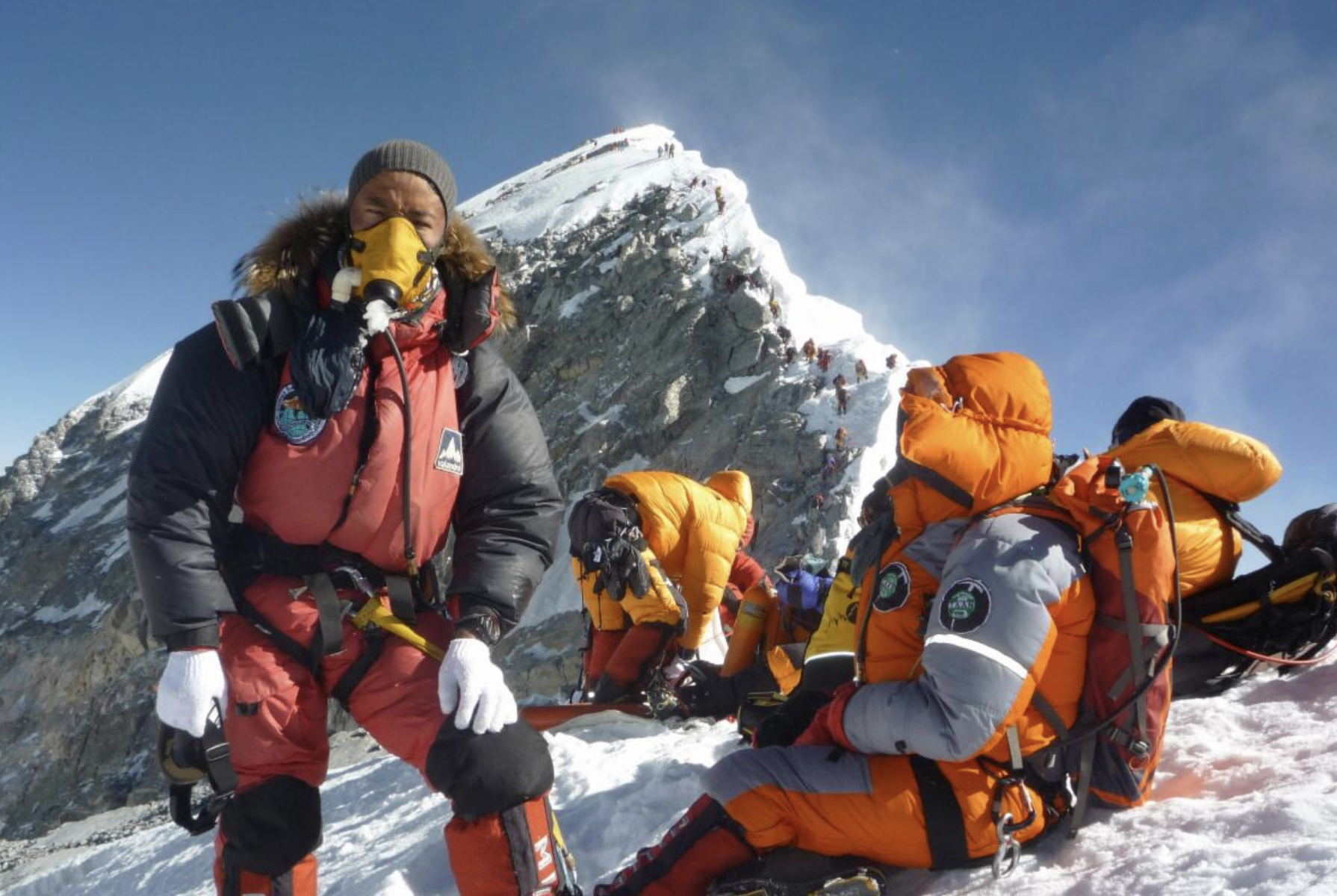
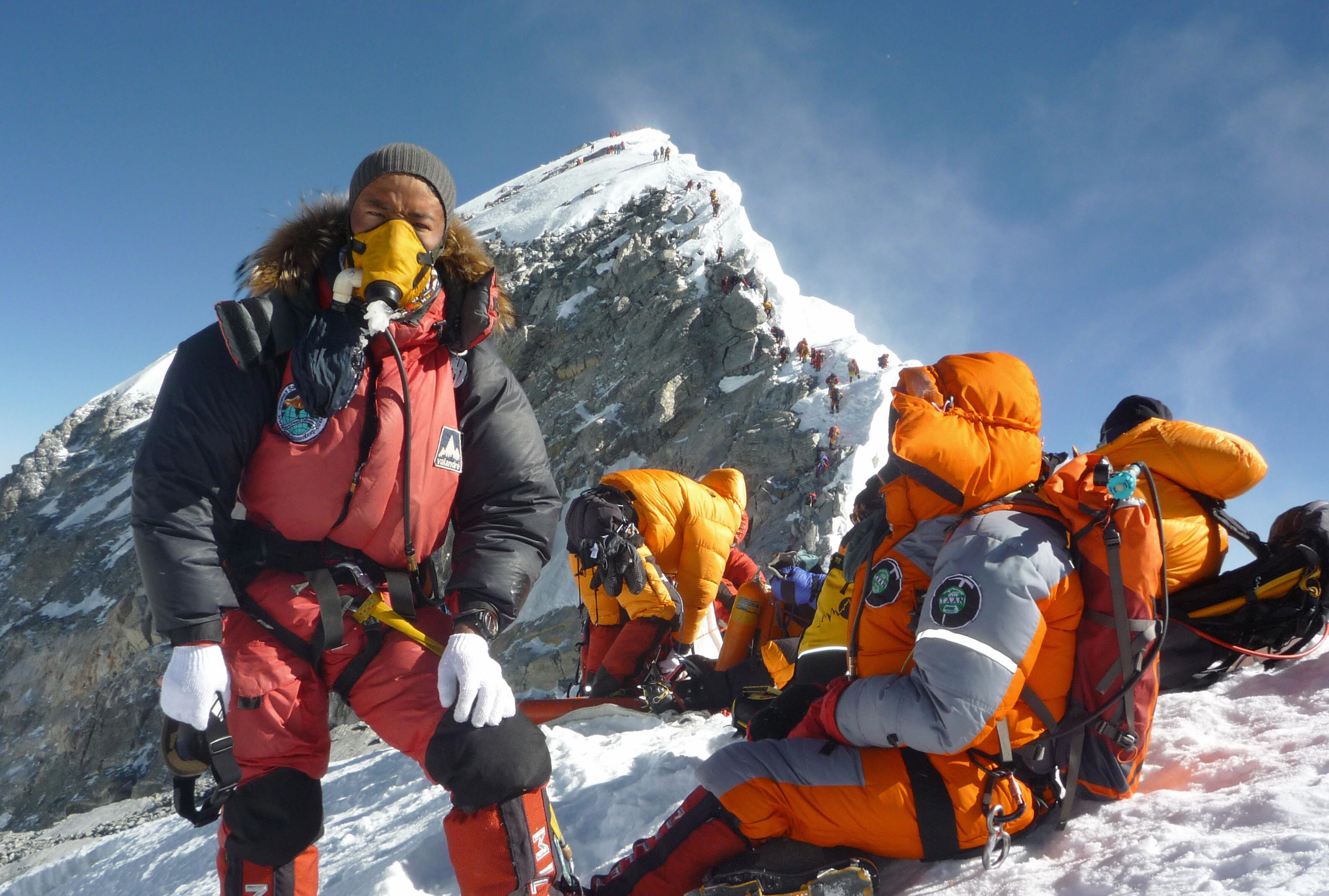
Sherpa mountaineers move through steep Himalayan terrain with a rhythm that appears almost calm even under enormous loads. They take short steady steps and breathe in a controlled pattern while avoiding the explosive bursts that drain energy. This quiet cadence lets them sustain high aerobic output for long periods. Physiology explains why it works. The slow rhythm keeps heart rate in an aerobic zone and trains the body to use oxygen with remarkable efficiency.
When effort is continuous and controlled, the respiratory system can match demand without spiraling into early fatigue. The Sherpa style highlights three interacting principles that influence aerobic performance.
Breath and cadence control. Smooth rhythmic breathing improves oxygen uptake, stabilizes heart rate, and delays the shift toward anaerobic work.
Muscle recruitment and load distribution. Short controlled steps engage glutes and core, reduce strain on quads and lower back, and extend the time an athlete can stay in moderate intensity which is central for VO₂ gains.
Aerobic time on task. The method eliminates the sudden spikes that break breathing rhythm. The cardiovascular system receives one message. Stay steady. Adapt.
These principles mirror findings in endurance physiology. Submaximal efforts with even pacing tend to increase mitochondrial efficiency and improve oxygen utilization over time (Midgley et al. 2007). In mountaineering research, climbers who maintain consistent cadence show better oxygen saturation and slower drift in heart rate compared with those who alternate bursts and pauses (Subudhi et al. 2011).

If you want to use this method for VO₂ development during hiking or stair work, start with controlled three part breathing. Inhale into the belly then ribs then chest. Exhale in reverse. Match the pattern to calm deliberate steps.
If you fatigue early on hills, narrow your stride and aim for one continuous rhythm rather than push and recover cycles. Small steps reduce peripheral muscle demand so the aerobic engine carries more of the load.
If your breathing collapses under stress, practice the pattern during low intensity sessions first. The goal is to build an automatic pattern long before you face higher effort.
If you train at altitude or simulate it with masks or hypoxic rooms, prioritize breathing control over speed. Sherpa efficiency comes from matching oxygen demand to oxygen availability rather than fighting it.
Three part breathing, often taught as Dirgha Pranayama, uses the diaphragm fully and distributes the breath across the lower, middle, and upper lungs. Diaphragmatic breathing increases tidal volume and reduces the need for rapid shallow breaths, which improves gas exchange. Studies on endurance athletes show that respiratory muscle training and controlled patterns can improve oxygen delivery and reduce perceived exertion (Ozdal 2016). Sherpa climbers display similar traits. Strong diaphragmatic control paired with slow cadence supports efficient ventilation even when oxygen is scarce.
On climbs, this shows up as fewer spikes in ventilation and steadier heart rate. Athletes often mistake heavy breathing for effort when in reality it is poor synchronization between breathing and movement. Fix the rhythm and the workload feels different.
Pick a single goal such as steadier breathing or longer aerobic duration.
Choose a hill, stair circuit, or treadmill incline.
Walk with deliberately small steps and set a breathing pattern before you begin.
Stay in one rhythm for the full session and avoid tempo surges.
Repeat for one week and note breathing ease, fatigue levels, and heart rate trends.
Adjust step size or breathing count if the pattern feels forced.
Use poles on steep terrain if your balance changes under fatigue. Poles shift some load to the upper body and help maintain cadence.
Keep shoulders relaxed so the diaphragm can move freely. Tension around the ribs reduces breath depth.
If you feel dizzy or breathless, slow down until your breathing resets. Breathing control is a tool for efficiency, not a contest.
For stair or treadmill work, lower the speed if you cannot maintain smooth breath transitions.

Rushing the cadence. Moving fast defeats the purpose of the method and pushes you toward anaerobic effort.
Forcing deep breaths. Over breathing can create lightheadedness. The breath should expand naturally, not aggressively.
Holding the breath while stepping. Breath holding increases strain on the cardiovascular system and disrupts the rhythm that makes the method effective.
Long steady efforts with synchronized breath and step rhythm train the aerobic system more effectively than sporadic bursts. The Sherpa method shows what happens when mechanics, breathing, and pacing align. Short steps conserve muscular energy. Controlled breath stabilizes heart rate. Together they create a pattern that supports high sustained VO₂ demand without collapse. It is a simple method with profound effects and it is easy to test for yourself.
Midgley AW, McNaughton LR and Wilkinson M 2007 Is there an optimal training intensity for enhancing the maximal oxygen uptake of distance runners A brief review. Sports Medicine 37(12):1019 to 1028. https://doi.org/10.2165/00007256 to 200737120 to 00003
Subudhi AW, Lorenz MC, Fulco CS and Roach RC 2011 Cerebral oxygenation declines at high altitude despite increased cardiac output. Journal of Applied Physiology 110(1): 124 to 131. https://doi.org/10.1152/japplphysiol.00517.2010
Ozdal M 2016 Influence of respiratory muscle training on pulmonary function and endurance performance in athletes. Journal of Human Kinetics 54:65 to 71. https://doi.org/10.1515/hukin to 2016 to 0044