Socials


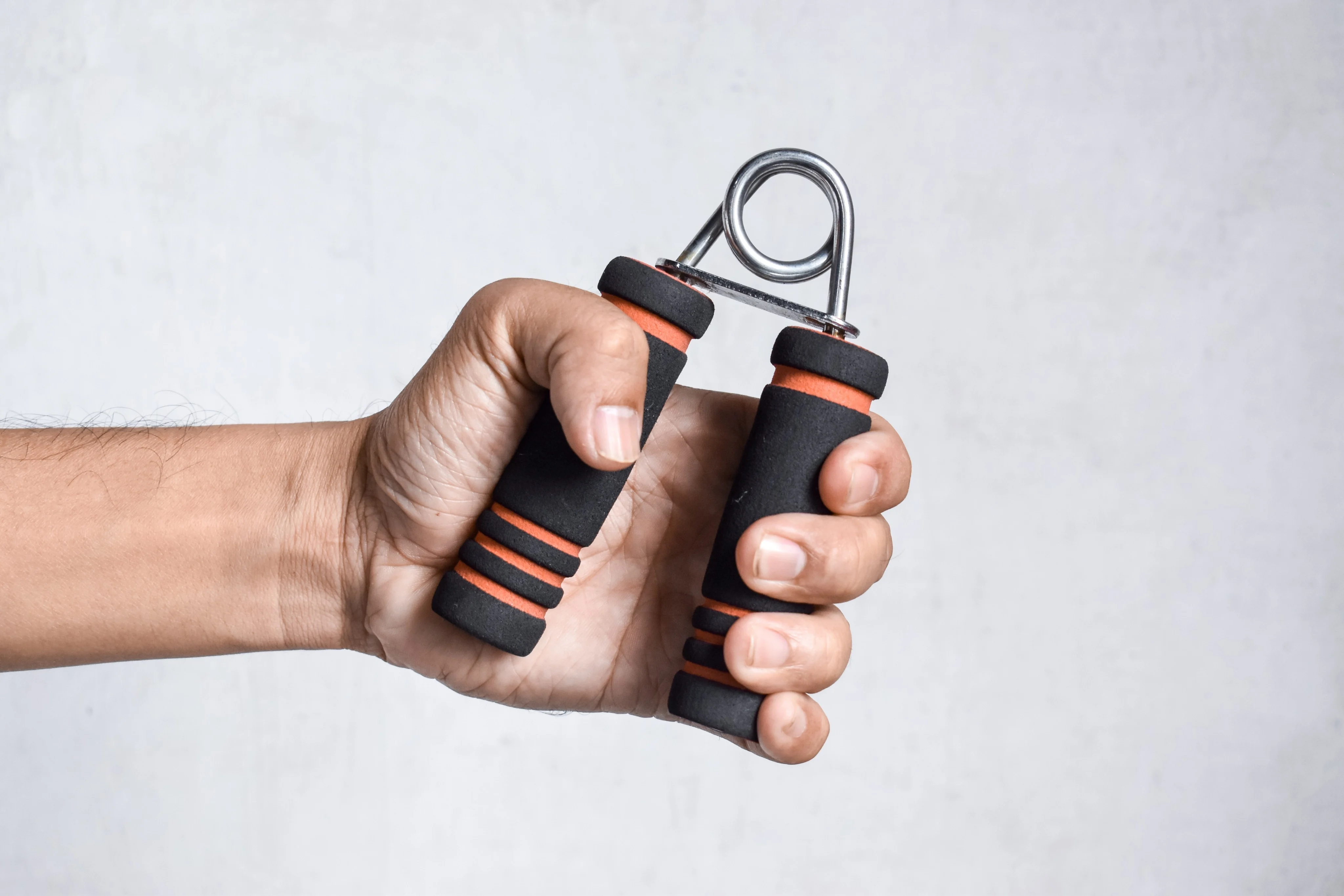
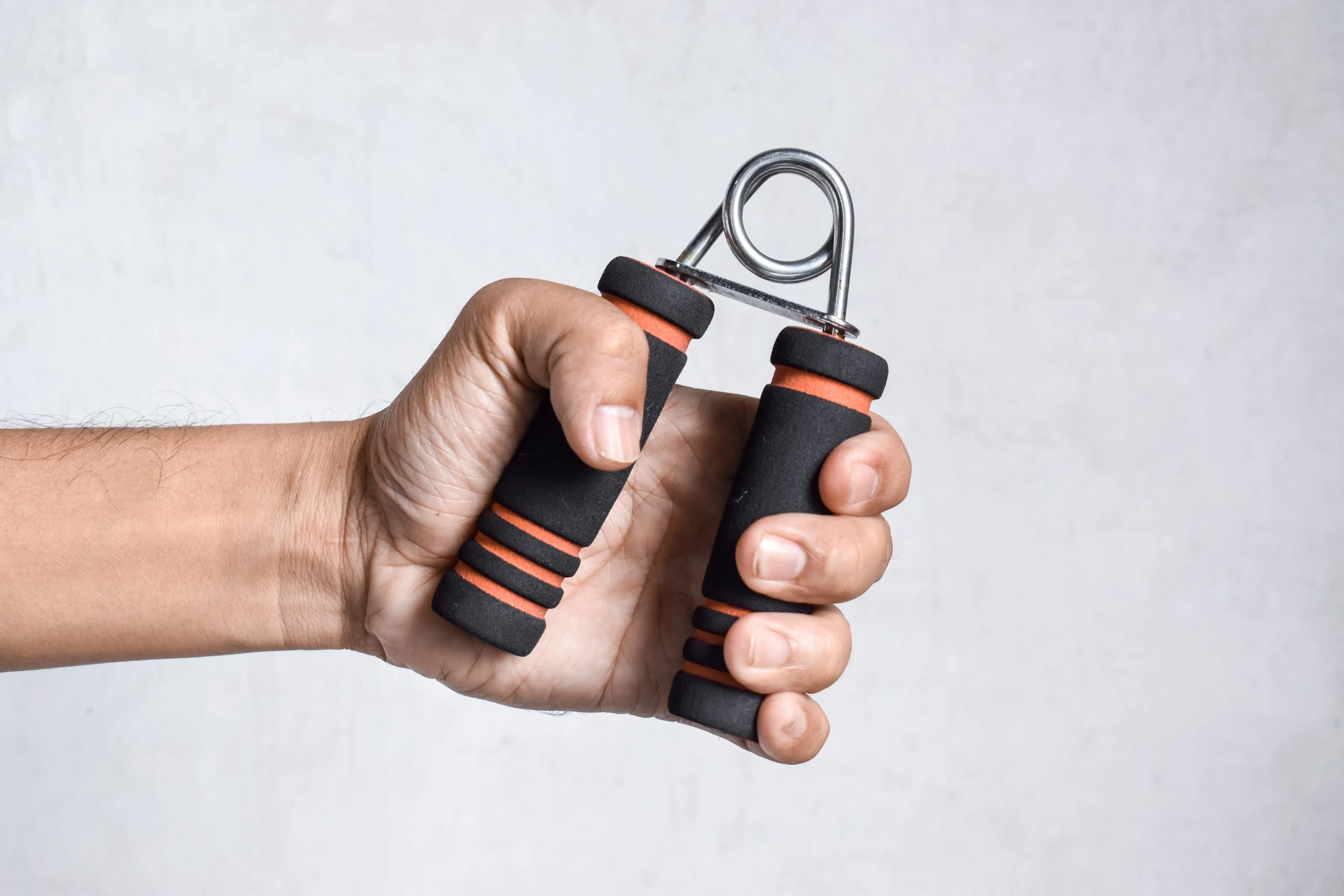
Most people notice their knees after a long day, or their recovery after workouts, long before they ever think about their grip. Yet grip strength often reveals the earliest signs of how your body is aging. A simple squeeze measures far more than hand muscles. It reflects the efficiency of your nervous system, the integrity of your muscle fibers, your metabolic resilience, and even your long term risk of disease.
The point is not to obsess over a number. It is to understand why this one measurement predicts so much, and how you can use it to stay strong, functional, and independent as you move through midlife.
Grip strength is part muscle and part wiring. To squeeze a handle, your brain must activate thousands of motor units at once. With age, those motor units decline in number and fire more slowly. This neural slowdown explains why grip strength often drops before you notice changes in your legs or core.
Large international studies show that lower grip strength is associated with higher all cause mortality, more cardiovascular events, and faster functional decline (Leong et al. 2015). Importantly, this link holds even after accounting for chronic illnesses, suggesting grip strength captures something more fundamental about the body’s overall capacity (Celis-Morales et al. 2018).
Grip strength also reflects how well your tendons transmit force. Tendons age more slowly than muscles but become stiffer and less responsive over time. This combination often shows up first in the hands because they are used constantly for fine, repetitive tasks.
In short, grip strength is not about hands. It is about the entire neuromuscular system revealing how well it is holding up.
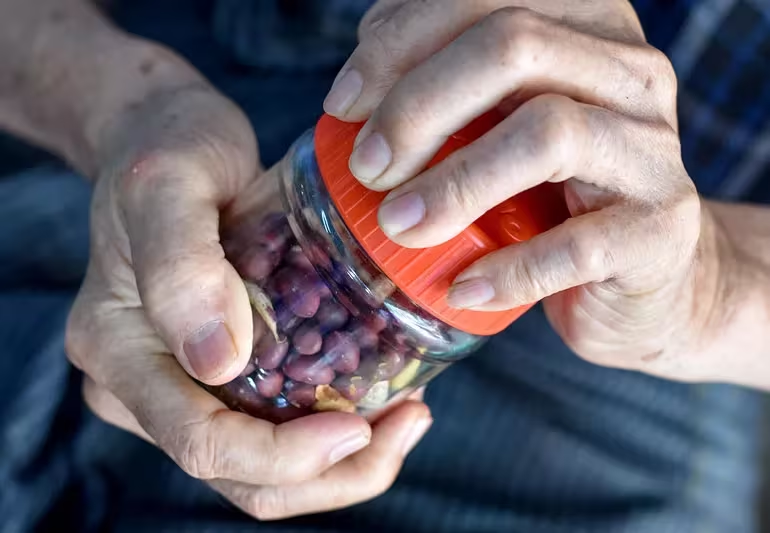
If your goal is healthy aging: Use grip strength as a quick check-in. A steady or improving grip over time often reflects stable muscle mass, good nervous system health, and balanced metabolism.
If you feel weaker during everyday tasks: Add simple hand activation throughout the day. Even ten seconds of squeezing a soft ball wakes up neural pathways that support shoulder and back strength.
If you want to slow midlife decline: Prioritise full body strength training. Squats, rows, carries, lunges, and deadlifts improve the same systems that determine grip strength far more than hand-only exercises (McGrath et al. 2020).
If your grip suddenly drops: Look at nutrition, sleep, and recovery. Acute changes often reflect short term stress, illness, or underfueling rather than aging.
Midlife begins a neurological shift most people do not feel immediately. The nerves that control fast twitch muscle fibers begin to drop out. Those fibers are responsible for power, balance, and reaction time. Grip strength reveals this before other movements because the hands rely heavily on fast conducting motor units.
At the same time, muscle mass quietly decreases at about one percent per year after age forty. If you do not strength train, that loss accelerates to three percent. Grip strength exposes this decline because hand function requires both local strength and whole chain stability.
Chronic stress compounds the problem. Cortisol affects nerve recovery and muscle protein synthesis. People often blame “aging” when their real issue is a combination of slow recovery, low protein intake, and decreased physical variety.

Researchers consider grip strength one of the simplest, most reliable health indicators for a reason. It integrates multiple systems at once.
When grip strength is low, it often means:
• fewer functional motor units
• slower nerve conduction
• lower muscle mass
• decreased physical activity
• poorer metabolic efficiency
• slower recovery from illness
These are the same factors that predict future frailty, mobility limitations, and chronic disease progression (Bohannon 2019). Grip strength is not destiny. It is an early alert.
Choose a clear purpose such as tracking aging or monitoring strength training progress.
Use a digital dynamometer if possible and test both hands three times. Use your best reading from each side.
Keep conditions consistent each time. Sit upright, arm at your side, neutral wrist.
Repeat every three to six months rather than obsessing weekly.
Compare your results to age and sex reference ranges, not to young adult norms.
Tools that actually help:
• the farmer carry, which challenges grip, core, and posture simultaneously
• hangs from a bar for five to ten seconds, even with assistance
• loaded carries with grocery bags rather than carts
• free weight movements that demand stabilisation
Habits that amplify the effect:
• eating twenty five to thirty grams of protein at each meal
• prioritising consistent sleep for nervous system recovery
• doing compound strength exercises twice a week
What to do if you plateau:
• take a recovery week to let nerves and tendons adapt
• increase lower body strength, which indirectly raises grip scores
• vary your carries and pulling movements rather than repeating the same drills
Avoid common pitfalls. Only training the hands without developing whole body strength. Ignoring early declines. Testing irregularly. Treating grip as a diagnosis rather than a trend.
Talk to a clinician if you experience persistent weakness, dropping objects frequently, or numbness. While grip decline is a helpful signal, sudden or severe changes deserve evaluation.
Grip strength is a simple measurement that reveals complex truths. It reflects the health of your muscles, nerves, and metabolism far earlier than most people realise. At forty five, subtle decline is normal, but it is also reversible. Strength training, recovery, and nutrition can stabilise or even improve grip strength and the systems it represents.
A stronger grip is not about stronger hands. It is about a stronger future.
Bohannon R 2019 Grip strength as a biomarker of aging. Clinical Interventions in Aging 14:1681 to 1691. https. doi.org.10.2147.CIA.S194543
Celis-Morales C, Welsh P, Lyall D et al. 2018 Associations of grip strength with cardiovascular, respiratory, and cancer outcomes. BMJ 361.k1651. https. doi.org.10.1136.bmj.k1651
Leong D, Teo K, Rangarajan S et al. 2015 Prognostic value of grip strength in aging populations. Lancet 386.9990.266 to 273. https. doi.org.10.1016.S0140-6736.15.60544-4
McGrath R, Kraemer W, Snih S et al. 2020 Handgrip strength and overall health in midlife and older adults. Current Opinion in Clinical Nutrition and Metabolic Care 23.3.166 to 170. https. doi.org.10.1097.MCO.0000000000000644