Socials



Walking is often dismissed as too gentle to matter. Because it does not elevate heart rate dramatically or feel like training, it is treated as a calorie burn or habit metric rather than a biological signal. In most fitness frameworks, it sits outside the category of exercise that “counts.”
What this framing misses is that walking directly shapes mitochondrial behavior. It does not work by stress or exhaustion. It works by repetition and consistency, which is exactly what mitochondria respond to best.

Mitochondria are the structures inside your cells that convert oxygen and fuel into usable energy. They are highly adaptable, but they respond most strongly to signals that are frequent and predictable.
High intensity workouts provide a strong signal, but they are brief. Walking provides a moderate signal that repeats throughout the day. This repeated demand increases ATP turnover and oxygen use without overwhelming the system. Over time, mitochondria become better coordinated, more efficient, and less reactive to stress.
This is why people can train hard and still feel energetically unstable if the rest of the day is sedentary.
Regular walking increases mitochondrial capacity by stimulating the creation of new, higher quality mitochondria. This raises baseline energy availability rather than peak output. Walking also improves fuel flexibility. Cells become better at switching between fat and glucose depending on availability and demand. This reduces glucose spikes and prevents the energy volatility that often shows up as crashes, cravings, or mental fog.
As efficiency improves, mitochondria generate fewer reactive oxygen species. Lower oxidative stress means less cumulative cellular damage and better long term metabolic health.
Structured exercise improves performance. Walking improves stability. Without regular low intensity movement, energy demand becomes spiky. You stress the system during workouts, then underload it for long sedentary periods. This pattern creates inconsistency in glucose handling, circulation, and mitochondrial signaling.
Walking fills these gaps. It maintains a baseline level of demand that keeps energy systems engaged throughout the day, improving recovery and reducing reliance on stress hormones to stay alert.
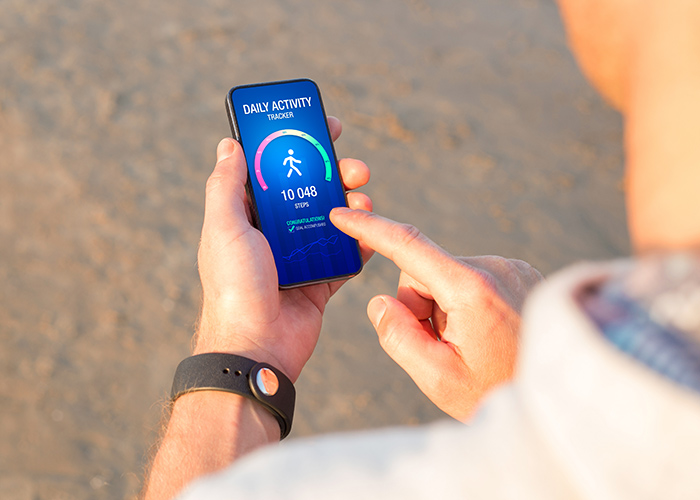
Ten thousand steps in one block does not create the same signal as smaller walks spaced across the day. Mitochondria respond to repeated activation, not just total volume. Short walks every few hours keep glucose uptake active, maintain blood flow, and reinforce energy production pathways. This is especially important for people who sit for long periods, even if they train regularly.
Distribution turns walking into a metabolic regulator rather than a single activity.
Low intensity movement increases muscle glucose uptake without requiring high insulin levels. This makes walking especially effective after meals. Post meal walks help blunt glucose spikes and reduce the load on the pancreas. Over time, this improves insulin sensitivity and stabilizes energy availability, particularly in the afternoon when many people experience crashes.
This effect is metabolic, not cardiovascular, and it occurs even at comfortable walking speeds.
Not all walking sends the same signal. Slouched, distracted movement produces less muscular demand than upright, purposeful walking. Maintaining an upright posture, gentle arm swing, and a pace that feels intentional increases muscle engagement and oxygen use without turning the walk into cardio. This amplifies mitochondrial signaling while keeping stress low.
The goal is not speed. It is clarity of demand.
Walking supports recovery, not just energy, by increasing circulation, oxygen delivery, and nutrient transport in a way that promotes tissue repair and reduces stiffness without interfering with adaptation from harder training. For people who feel chronically tight, inflamed, slow to recover, or stuck with stable fitness but low daily energy, walking often produces more benefit than adding mobility work or extra rest alone because recovery improves when cellular energy production becomes more efficient. This is especially true for those who train intensely but inconsistently feel good, sit most of the day, experience afternoon crashes, or manage blood sugar and metabolic health, since walking directly supports the shared underlying energy systems driving these issues. The mistake is treating walking as optional, compressing it into one long session, replacing all intensity with it, ignoring posture and pace, or reducing it to step counts alone, because walking works best when it is frequent, distributed, and intentional.



.png)


