Socials


Cardiovascular health is often framed around cholesterol, blood pressure, and exercise. These factors matter, but they do not tell the full story. Increasingly, attention is shifting toward how minerals are handled inside the body, particularly where calcium ends up over time.
Vitamin K2 has entered this conversation because of its role in directing calcium away from soft tissues like arteries and toward places where it belongs, such as bones and teeth. This function may help explain why arterial stiffness and calcification can progress even when traditional risk markers appear well controlled.
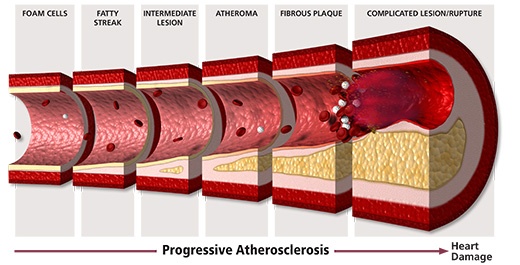
Calcium is essential for bone strength, muscle contraction, and nerve signaling. The issue arises when calcium accumulates in tissues not designed to store it.
Arterial calcification is a gradual process where calcium deposits build up in the vessel walls. This reduces arterial flexibility, increases stiffness, and raises cardiovascular risk. Importantly, this can happen even in people with normal blood calcium levels.
The question is not how much calcium you consume. It is how well your body directs it.
Vitamin K2 activates specific proteins that control calcium placement in the body. Two of the most important are osteocalcin and matrix Gla protein.
Osteocalcin helps bind calcium into bone. Matrix Gla protein helps prevent calcium from depositing in blood vessels. Without adequate vitamin K2, these proteins remain inactive and calcium regulation becomes less precise.
In this context, vitamin K2 functions less like a traditional vitamin and more like a traffic controller for minerals.
Vitamin K is often discussed as a single nutrient, but its forms behave differently.
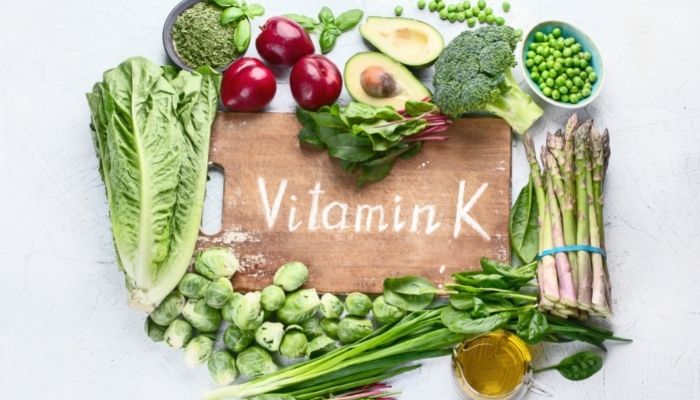
Vitamin K1 is abundant in leafy greens and primarily supports blood clotting. Vitamin K2 is found in fermented foods and some animal products and has a more direct role in calcium metabolism within tissues.
While the body can convert small amounts of K1 into K2, this conversion is limited and varies between individuals. This helps explain why adequate K1 intake does not always translate into optimal K2 status.
Arteries are meant to be elastic. This elasticity allows them to buffer each heartbeat and maintain steady blood flow. As calcium accumulates in arterial walls, this flexibility declines.
Arterial stiffness increases the workload on the heart and is associated with higher risk of hypertension, stroke, and cardiovascular events. Vitamin K2 has gained attention because observational studies associate higher intake with lower arterial calcification and reduced cardiovascular risk.
This does not prove causation, but it highlights a mechanism that traditional nutrient frameworks often overlook.
Vitamin K2 is less abundant in modern diets than in traditional ones. Fermented foods like natto, certain aged cheeses, and some animal products are primary sources.
Many people consume adequate calcium and vitamin D but little vitamin K2. This imbalance may contribute to calcium being absorbed without clear guidance on where to go.
This is particularly relevant for individuals taking calcium supplements without considering nutrient context.

Vitamin K2 is not a replacement for lifestyle fundamentals like exercise, sleep, and balanced nutrition. It is also not a guarantee against cardiovascular disease.
It is best understood as part of a system. Bone health, vascular health, and mineral metabolism are interconnected. Supporting one without considering the others can create unintended consequences.
For some individuals, improving vitamin K2 intake through food or supplementation may support healthier calcium distribution over time.
Vitamin K2 is gaining attention because it addresses a missing link in cardiovascular health. It helps regulate where calcium goes, not just how much is present.
By supporting arterial flexibility and proper mineral placement, vitamin K2 reframes how we think about heart and bone health as part of the same system.
PR Labs. (2025). Vitamin K2: The overlooked nutrient for bone and heart health. https://prlabs.com/blog/vitamin-k2-the-overlooked-nutrient-for-bone-and-heart-health.html
Biology Insights. (2025). Can vitamin K2 reverse arterial calcification? https://biologyinsights.com/can-vitamin-k2-reverse-arterial-calcification/
OpenHeart (BMJ). (n.d.). Vitamin K2—A neglected player in cardiovascular health. https://openheart.bmj.com/content/8/2/e001715
Wikipedia contributors. (2025). Vitamin K2. In Wikipedia, The Free Encyclopedia. https://en.wikipedia.org/wiki/Vitamin_K2



.png)


